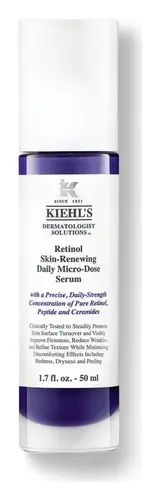
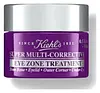
L'Oreal Revitalift Filler Hyaluronic Acid Eye Cream For Face Versus Kiehl's Super Multi-Corrective Anti-Aging Eye Cream
This anti-aging eye moisturizer is formulated around Dipeptide Diaminobutyroyl Benzylamide Diacetate and Sodium Hyaluronate to soften the look of wrinkles and hydrate skin.
This anti-aging eye moisturizer is formulated around Niacinamide and Palmitoyl Tetrapeptide-7 to soften the look of wrinkles and refine skin texture.


What's inside
What's inside
 Key Ingredients
Benefits
Concerns
Ingredients Side-by-side
Water
Skin ConditioningGlycerin
Humectant


Dimethicone
Emollient
Saccharomyces/Xylinum/Black Tea Ferment
Skin Conditioning


Propanediol
Solvent
Diisopropyl Sebacate
EmollientPentylene Glycol
Skin Conditioning
Betaine
Humectant
Di-C12-13 Alkyl Malate
EmollientButyrospermum Parkii Butter
Skin Conditioning


Polyglyceryl-6 Distearate
Emulsifying
Hydroxypropyl Tetrahydropyrantriol
Skin ConditioningCetyl Alcohol
Emollient

Myristyl Myristate
Emollient
Pentaerythrityl Tetraethylhexanoate
Emollient
Caffeine
Skin Conditioning
Dipeptide Diaminobutyroyl Benzylamide Diacetate
Skin Conditioning
Disodium EDTA
ChelatingSecale Cereale Seed Extract
Abrasive
Sodium Hyaluronate
Humectant

Ascorbyl Glucoside
Antioxidant


Tocopheryl Acetate
Antioxidant
Stearalkonium Hectorite
Gel FormingAmmonium Acryloyldimethyltaurate/Steareth-25 Methacrylate Crosspolymer
Emulsion StabilisingBehenyl Alcohol
Emollient
Biotin
AntiseborrhoeicCaprylyl Glycol
Emollient
Citric Acid
Buffering
Disodium Stearoyl Glutamate
CleansingHydroxyethylcellulose
Emulsion StabilisingJojoba Esters
Emollient
Polyglyceryl-3 Beeswax
Emulsifying
Propylene Glycol
Humectant
Sodium Citrate
BufferingXanthan Gum
EmulsifyingDimethicone/Vinyl Dimethicone Crosspolymer
Skin Conditioning
Dimethiconol
Emollient
Chlorphenesin
Antimicrobial
Phenoxyethanol
Preservative
Potassium Sorbate
Preservative
Water, Glycerin, Dimethicone, Saccharomyces/Xylinum/Black Tea Ferment, Propanediol, Diisopropyl Sebacate, Pentylene Glycol, Betaine, Di-C12-13 Alkyl Malate, Butyrospermum Parkii Butter, Polyglyceryl-6 Distearate, Hydroxypropyl Tetrahydropyrantriol, Cetyl Alcohol, Myristyl Myristate, Pentaerythrityl Tetraethylhexanoate, Caffeine, Dipeptide Diaminobutyroyl Benzylamide Diacetate, Disodium EDTA, Secale Cereale Seed Extract, Sodium Hyaluronate, Ascorbyl Glucoside, Tocopheryl Acetate, Stearalkonium Hectorite, Ammonium Acryloyldimethyltaurate/Steareth-25 Methacrylate Crosspolymer, Behenyl Alcohol, Biotin, Caprylyl Glycol, Citric Acid, Disodium Stearoyl Glutamate, Hydroxyethylcellulose, Jojoba Esters, Polyglyceryl-3 Beeswax, Propylene Glycol, Sodium Citrate, Xanthan Gum, Dimethicone/Vinyl Dimethicone Crosspolymer, Dimethiconol, Chlorphenesin, Phenoxyethanol, Potassium Sorbate
Water
Skin ConditioningDimethicone
Emollient
Glycerin
Humectant
Hydroxypropyl Tetrahydropyrantriol
Skin ConditioningNiacinamide
Smoothing





Alcohol Denat.
Antimicrobial


Propylene Glycol
Humectant
Silica
Abrasive
Propanediol
Solvent
Polysilicone-11
PEG-10 Dimethicone
Skin Conditioning
Di-C12-13 Alkyl Malate
EmollientVaccinium Myrtillus Seed Oil
Skin Conditioning
Dimethicone/PEG-10/15 Crosspolymer
Hydroxyethylpiperazine Ethane Sulfonic Acid
BufferingBis-PEG/PPG-16/16 PEG/PPG-16/16 Dimethicone
Emollient
Potassium Cetyl Phosphate
EmulsifyingCarbomer
Emulsion StabilisingCeteareth-20
Cleansing
Caffeine
Skin Conditioning
Sodium Citrate
BufferingSodium Hyaluronate
Humectant
Sodium Hydroxide
BufferingSodium Lactate
Buffering
Palmitoyl Tetrapeptide-7
Skin Conditioning
Palmitoyl Tripeptide-1
Skin Conditioning
Adenosine
Skin Conditioning
Ammonium Polyacryloyldimethyl Taurate
Emulsion StabilisingBoron Nitride
Absorbent
Dipropylene Glycol
HumectantCaprylic/Capric Triglyceride
Masking
Caprylyl Glycol
Emollient
Trisodium Ethylenediamine Disuccinate
ChelatingPolysorbate 20
Emulsifying
Acrylates/C10-30 Alkyl Acrylate Crosspolymer
Emulsion StabilisingButylene Glycol
Humectant
Tocopherol
Antioxidant
Pentaerythrityl Tetra-Di-T-Butyl Hydroxyhydrocinnamate
Antioxidant
Chlorhexidine Digluconate
Antimicrobial
Chlorphenesin
Antimicrobial
Water, Dimethicone, Glycerin, Hydroxypropyl Tetrahydropyrantriol, Niacinamide, Alcohol Denat., Propylene Glycol, Silica, Propanediol, Polysilicone-11, PEG-10 Dimethicone, Di-C12-13 Alkyl Malate, Vaccinium Myrtillus Seed Oil, Dimethicone/PEG-10/15 Crosspolymer, Hydroxyethylpiperazine Ethane Sulfonic Acid, Bis-PEG/PPG-16/16 PEG/PPG-16/16 Dimethicone, Potassium Cetyl Phosphate, Carbomer, Ceteareth-20, Caffeine, Sodium Citrate, Sodium Hyaluronate, Sodium Hydroxide, Sodium Lactate, Palmitoyl Tetrapeptide-7, Palmitoyl Tripeptide-1, Adenosine, Ammonium Polyacryloyldimethyl Taurate, Boron Nitride, Dipropylene Glycol, Caprylic/Capric Triglyceride, Caprylyl Glycol, Trisodium Ethylenediamine Disuccinate, Polysorbate 20, Acrylates/C10-30 Alkyl Acrylate Crosspolymer, Butylene Glycol, Tocopherol, Pentaerythrityl Tetra-Di-T-Butyl Hydroxyhydrocinnamate, Chlorhexidine Digluconate, Chlorphenesin
Reviews
Ingredients Explained
These ingredients are found in both products.
Ingredients higher up in an ingredient list are typically present in a larger amount.
Caffeine is a naturally occurring plant compound found in coffee beans, tea leaves, cocoa pods, and guarana.
As an antioxidant, caffeine protects your skin from free radical damage caused by UV exposure and envionrmnetal stressors.
Early research also shows that caffeine can help calm redness, soothe irritated skin, and support hair growth by stimulating microcirculation in the scalp.
You might have seen eye creams marketing caffeine as a depuffing ingredient. This is because it is a vasoconstrictor meaning it can temporarily constrict blood vessels, though clinical evidence for this specific use is still limited.
Most skincare products contain this ingredient at concentrations between 1-6%. It is able to penetrate skin easily regardless of skin type or thickness.
Just so you know, a very small number of case reports describe caffeine-induced allergy. This ingredient is generally well-tolerated, non-irritating, and non-sensitizing for the majority of people.
Learn more about CaffeineCaprylyl Glycol is a humectant, skin conditioner, emollient, and preservative booster derived from either caprylic acid or synthetically created.
Typical use levels vary from 0.3-1% as a preservative booster and go up to 2% to condition skin.
Because it is not a free-fatty acid, this ingredient is fungal acne safe (there's nothing for Malassezia to feed on).
Learn more about Caprylyl GlycolChlorphenesin is a synthetic preservative. It helps protect a product against bacteria in order to extend shelf life. In most cases, Chlorphenesin is paired with other preservatives such as phenoxyethanol and caprylyl glycol.
Chlorphenesin is a biocide. This means it is able to help fight the microorganisms on our skin. It is also able to fight odor-releasing bacteria.
Chlorphenesin is soluble in both water and glycerin.
Studies show Chlorphenesin is easily absorbed by our skin. You should speak with a skincare professional if you have concerns about using Chlorphenesin.
Learn more about ChlorphenesinWe don't have a description for Di-C12-13 Alkyl Malate yet.
Dimethicone is a type of synthetic silicone created from natural materials such as quartz. It is also known as polydimethylsiloxane.
What it does:
Dimethicone comes in different viscosities:
Depending on the viscosity, dimethicone has different properties.
Ingredients lists don't always show which type is used, so we recommend reaching out to the brand if you have questions about the viscosity.
This ingredient is unlikely to cause irritation because it does not get absorbed into skin. However, people with silicone allergies should be careful about using this ingredient.
Note: Dimethicone may contribute to pilling. This is because it is not oil or water soluble, so pilling may occur when layered with products. When mixed with heavy oils in a formula, the outcome is also quite greasy.
Learn more about DimethiconeGlycerin (or glycerol) is a compound naturally found in your skin. It's a powerhouse humectant that pulls water into the stratum corneum.
Topically, glycerin does several things at once:
Your skin makes glycerin on its own (mostly from sebaceous oil breakdown) and shuttles it to your outermost layer of skin, or your epidermis, via aquaporin-3.
Aquaporin-3 is a transporter that is essential for normal skin hydration, elasticity, and repair. Interestingly, mice lacking in AQP3 have dry and less elastic skin that can be fully corrected with glycerin.
This ingredient is non-irritating, plays well with almost every ingredient, and works across all skin types. Typical use is anywhere between 3-10% but can go up to 79% in some leave-on products.
Just know very high concentrations (>40%) can feel tacky in low humidity.
Glycerin is the name for this ingredient in American English. British English uses Glycerol/Glycerine.
Learn more about GlycerinThis ingredient is often marketed as Pro-Xylane. It was developed by L'Oreal in 2006 and comes from xylose, a natural sugar extracted from beech wood.
In L'Oreal's published chemistry work, this ingredient was identified as a strong activator of sulfated glycosaminoglycan (GAG) biosynthesis.
This ingredient helped skin make more of its own natural “water-holding” molecules (called GAGs) in lab studies and skin models, which are important for keeping skin plump and hydrated. It also supported proteins that help anchor and support the skin’s layers.
Most human studies look at full skincare formulas rather than the ingredient on its own.
In one 12-week study, a facial serum containing Pro-Xylane was linked to improvements in skin hydration, firmness, and the appearance of sun-damaged skin.
In a more recent study, a product with hydroxypropyl tetrahydropyrantriol plus niacinamide was used after laser treatments and showed visible improvements in fine lines, wrinkles, and overall skin appearance within about 8 weeks, along with signs that the skin was calming and repairing itself.
Learn more about Hydroxypropyl TetrahydropyrantriolPropanediol is an all-star ingredient. It softens, hydrates, and smooths the skin.
It’s often used to:
Propanediol is not likely to cause sensitivity and considered safe to use. It is derived from corn or petroleum with a clear color and no scent.
Learn more about PropanediolPropylene Glycol is a synthetic, colorless, odorless liquid that has been a staple in cosmetics for decades. It is a skin conditioning agent, humectant, and solvent.
As a humectant, it draw water to the skin to reduce flaking and restore suppleness. It's also a solvent that helps dissolve other actives and keeps formulas stable across temperature changes.
The CIR Expert Panel has confirmed this ingredient to be nontoxic and clinical studies show no sensitization at cosmetic use concentrations.
True allergic reactions are quite rare: a 15-year retrospective study of 6,751 patients found only 0.31% had a positive reaction (and less than half were considered clinically relevant).
It seemed that when sensitization does occur, it's most commonly linked to topical medication (like corticosteroids) and not cosmetics. Allergic contact dermatitis also appears largely limited to individuals with underlying skin conditions.
Overall, propylene glycol is a well-studied ingredient that most people can tolerate without issue.
Learn more about Propylene GlycolSodium Citrate is the sodium salts of citric acid. In skincare, it is used to alter pH levels and acts as a preservative.
Its main functions are to maintain the pH of a product and neutralize metal ions.
The acidity of our skin is maintained by our glands and skin biome; normal pH level of skin is slightly acidic (~4.75-5.5).
Being slightly acidic allows our skin to create an "acid mantle". This acid mantle is a thin barrier that protects our skin from bacteria and contaminants.
Learn more about Sodium CitrateSodium Hyaluronate is the salt form of hyaluronic acid. It is a long sugar chain that is naturally found in your skin, joints, and connective tissue that maintains hydration and elasticity.
In skincare, it works as a humectant. It pulls water from the environment and deeper layers of skin and binds it to the surface.
Interestingly, the size of the molecule affects its behavior:
Some clinical evidence links low molecular weight versions to improved wrinkle depth, elasticity, anti-inflammatory effects, and barrier repair.
Many serums use a blend of both weights so you can get surface hydration plus longer-lasting and deeper effects.
You'll typically see concentrations between 0.1-2% for this ingredient.
Learn more about Sodium HyaluronateWater. It's the most common cosmetic ingredient of all. You'll usually see it at the top of ingredient lists, meaning that it makes up the largest part of the product.
So why is it so popular? Water most often acts as a solvent - this means that it helps dissolve other ingredients into the formulation.
You'll also recognize water as that liquid we all need to stay alive. If you see this, drink a glass of water. Remember to stay hydrated!
Learn more about Water