L'Oreal Revitalift Filler 1.5% Pure Hyaluronic Acid Serum Versus L'Oreal Revitalift Laser Tri-Peptide Serum
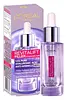
This anti-aging serum is formulated around Sodium Hyaluronate and Dipeptide Diaminobutyroyl Benzylamide Diacetate to soften the look of wrinkles and hydrate skin.
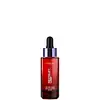
This anti-aging serum is formulated around Bifida Ferment Lysate and Acetyl Hexapeptide-8 to soften the look of wrinkles and refine skin texture.

What's inside
What's inside
 Key Ingredients
Benefits
Concerns
Ingredients Side-by-side
Water
Skin ConditioningGlycerin
Humectant


Hydroxyethylpiperazine Ethane Sulfonic Acid
BufferingSodium Hyaluronate
Humectant


Dipeptide Diaminobutyroyl Benzylamide Diacetate
Skin Conditioning
Disodium EDTA
Secale Cereale Seed Extract
Abrasive
Ascorbyl Glucoside
Antioxidant


Calcium Pantothenate
PEG-60 Hydrogenated Castor Oil
Emulsifying


Pentylene Glycol
Skin Conditioning
Benzyl Alcohol
Perfuming






Benzyl Benzoate
Antimicrobial
Benzyl Salicylate
Perfuming
Citronellol
Perfuming
Linalool
Perfuming
Chlorphenesin
Antimicrobial
Phenoxyethanol
Preservative
Parfum
Masking
Water, Glycerin, Hydroxyethylpiperazine Ethane Sulfonic Acid, Sodium Hyaluronate, Dipeptide Diaminobutyroyl Benzylamide Diacetate, Disodium EDTA, Secale Cereale Seed Extract, Ascorbyl Glucoside, Calcium Pantothenate, PEG-60 Hydrogenated Castor Oil, Pentylene Glycol, Benzyl Alcohol, Benzyl Benzoate, Benzyl Salicylate, Citronellol, Linalool, Chlorphenesin, Phenoxyethanol, Parfum
Water
Skin ConditioningBifida Ferment Lysate
Skin Conditioning
Glycerin
Humectant
Alcohol Denat.
Antimicrobial
Polyglyceryl-4 Caprate
EmulsifyingSodium Hyaluronate
Humectant
Betaine
Humectant
Acetyl Dipeptide-1 Cetyl Ester
Skin Conditioning
Acetyl Hexapeptide-8
Humectant
Palmitoyl Tetrapeptide-7
Skin Conditioning
Palmitoyl Tripeptide-1
Skin Conditioning
Phytic Acid

Secale Cereale Seed Extract
Abrasive
Sodium Acetylated Hyaluronate
Humectant
Sodium Hydroxide
BufferingTrisodium Ethylenediamine Disuccinate
Ascorbyl Glucoside
Antioxidant
Calcium Pantothenate
Isononyl Isononanoate
EmollientIsopropyl Myristate
Emollient

Polyglyceryl-2 Isostearate
Emulsifying
Acetic Acid
BufferingAmmonium Polyacryloyldimethyl Taurate
Emulsion StabilisingButylene Glycol
Humectant
Caprylyl Glycol
Emollient
Carbomer
Emulsion StabilisingHydroxyethylcellulose
Emulsion StabilisingHydroxypropyl Methylcellulose
Emulsion StabilisingLactic Acid
Buffering


Pentylene Glycol
Skin Conditioning
Polyepsilon-Lysine
Skin ConditioningPolysorbate 20
Emulsifying
PPG-6-Decyltetradeceth-30
EmulsifyingSodium Lactate
Buffering
Sorbitan Laurate
Emulsifying
Tocopherol
Antioxidant
Simethicone
Emollient
Benzyl Alcohol
Perfuming
Citronellol
Perfuming
Linalool
Perfuming
Chlorphenesin
Antimicrobial
Sodium Benzoate
Masking
Parfum
Masking
Water, Bifida Ferment Lysate, Glycerin, Alcohol Denat., Polyglyceryl-4 Caprate, Sodium Hyaluronate, Betaine, Acetyl Dipeptide-1 Cetyl Ester, Acetyl Hexapeptide-8, Palmitoyl Tetrapeptide-7, Palmitoyl Tripeptide-1, Phytic Acid, Secale Cereale Seed Extract, Sodium Acetylated Hyaluronate, Sodium Hydroxide, Trisodium Ethylenediamine Disuccinate, Ascorbyl Glucoside, Calcium Pantothenate, Isononyl Isononanoate, Isopropyl Myristate, Polyglyceryl-2 Isostearate, Acetic Acid, Ammonium Polyacryloyldimethyl Taurate, Butylene Glycol, Caprylyl Glycol, Carbomer, Hydroxyethylcellulose, Hydroxypropyl Methylcellulose, Lactic Acid, Pentylene Glycol, Polyepsilon-Lysine, Polysorbate 20, PPG-6-Decyltetradeceth-30, Sodium Lactate, Sorbitan Laurate, Tocopherol, Simethicone, Benzyl Alcohol, Citronellol, Linalool, Chlorphenesin, Sodium Benzoate, Parfum
Reviews
Ingredients Explained
These ingredients are found in both products.
Ingredients higher up in an ingredient list are typically present in a larger amount.
Ascorbyl Glucoside (AA-2G) is one of the most stable vitamin C derivatives out there.
It's made by attaching a glucose molecule to ascorbic acid; this glucose "cap" shields the vitamin C from air, light, heat, and metal ions that normally cause pure ascorbic acid to oxidize.
Once on your skin, the enzyme alpha-glucosidase snips off the glucose and gradually releases active ascorbic acid right where it's needed. Basically, it behaves like a slow-release pro-vitamin C with less of a stinging that high-strength ascorbic acid can cause.
The research supports the classic vitamin C benefits as well. In lab and human studies, AA-2G slowed down the skin's production of melanin (the pigment behind dark spots) and helped shield skin cells against sun damage better than ascorbyl phosphate.
These studies also showed AA-2G released vitamin C over a longer period.
A frequently cited manufacturer trial found that a 2% AA-2G face cream significantly improved wrinkle depth and skin roughness after 45 days.
And in 2009, a clinical trial showed it meaningfully lightened dark patches on the gums compared to a placebo.
There's also collagen-synthesis support (since vitamin C is a required cofactor for that) and an antioxidant effect too.
Typical usage is usually between 0.5-5% and most studies/products land around 2%.
AA-2G performs best when formulated at a mildly acidic pH (~5-7) which is much gentler than the pH that pure vitamin C demands (~2.5-3.5).
Just one thing worth knowing: the in-skin conversation rate is only about 55-60% by weight. So a 5% AA-2G product delivers roughly 2.75-3% of actual active vitamin C. On top of that, skin absorption is relatively low because the ingredient is water-soluble.
Learn more about Ascorbyl GlucosideBenzyl Alcohol is an aromatic alcohol with several roles: it's a preservative, solvent, and mild fragrance component with a floral scent.
This ingredient has been deemed safe for use in cosmetic formulations at concentrations up to 5%, and up to 10% in hair dyes. You'll typically see 0.5-2% in most rinse-off or leave-on products.
As a preservative, it works by disrupting the membrane of microbial proteins. This helps keep bacteria and fungi from growing in your products.
The sensitization picture is actually quite assuring as well:of nearly 71,000 patients patch tested with benzyl alcohol, only 0.21% showed a positive reaction with most of them being weakly positive.
This led researchers to conclude that benzyl alcohol cannot be regarded as a significant contact allergen.
It is worth noting this ingredient is classified as one of the EU's regulated fragrance allergens and restricted to 1% in finished products.
Labels must also declare it in concentrations above 0.001% in leave-on products and 0.01% in rinse-off products.
At concentrations around 5%, localized redness and itching can appear as a direct irritant response and not as a true allergic reaction.
Learn more about Benzyl AlcoholCalcium Pantothenate is calcium salt from Vitamin B5. It can be naturally found in plants and animals.
Calcium Pantothenate is a potent antioxidant. Antioxidants help fight free-radical molecules. Free-radical molecules are capable of damaging our cells and other genetic material. Antioxidants help stabilize free-radicals by donating extra electrons. This may help reduce the signs of aging.
Our bodies use Calcium Pantothenate for various metabolic functinos. These functions include metabolizing carbohydrates, proteins, and fatty acids.
Learn more about Calcium PantothenateChlorphenesin is a synthetic preservative. It helps protect a product against bacteria in order to extend shelf life. In most cases, Chlorphenesin is paired with other preservatives such as phenoxyethanol and caprylyl glycol.
Chlorphenesin is a biocide. This means it is able to help fight the microorganisms on our skin. It is also able to fight odor-releasing bacteria.
Chlorphenesin is soluble in both water and glycerin.
Studies show Chlorphenesin is easily absorbed by our skin. You should speak with a skincare professional if you have concerns about using Chlorphenesin.
Learn more about ChlorphenesinCitronellol is used to add fragrance/parfum to a product. It is often derived from plants such as roses. In fact, it can be found in many essential oils including geranium, lavender, neroli, and more. The scent of Citronellol is often described as "fresh, grassy, and citrus-like".
Since the Citronellol molecule is already unstable, Citronellol becomes irritating on the skin when exposed to air.
Citronellol is a modified terpene. Terpenes are unsaturated hydrocarbons found in plants. They make up the primary part of essential oils.
Citronellol is not able to be absorbed into deeper layers of the skin. It has low permeability,
Citronellol is also a natural insect repellent.
Learn more about CitronellolGlycerin (or glycerol) is a compound naturally found in your skin. It's a powerhouse humectant that pulls water into the stratum corneum.
Topically, glycerin does several things at once:
Your skin makes glycerin on its own (mostly from sebaceous oil breakdown) and shuttles it to your outermost layer of skin, or your epidermis, via aquaporin-3.
Aquaporin-3 is a transporter that is essential for normal skin hydration, elasticity, and repair. Interestingly, mice lacking in AQP3 have dry and less elastic skin that can be fully corrected with glycerin.
This ingredient is non-irritating, plays well with almost every ingredient, and works across all skin types. Typical use is anywhere between 3-10% but can go up to 79% in some leave-on products.
Just know very high concentrations (>40%) can feel tacky in low humidity.
Glycerin is the name for this ingredient in American English. British English uses Glycerol/Glycerine.
Learn more about GlycerinLinalool is a fragrance and helps add scent to products. It's derived from common plants such as cinnamon, mint, citrus, and lavender.
Like Limonene, this ingredient oxidizes when exposed to air. Oxidized linalool can cause allergies and skin sensitivity.
This ingredient has a scent that is floral, spicy tropical, and citrus-like.
Learn more about LinaloolParfum is a catch-all term for an ingredient or more that is used to give a scent to products.
Also called "fragrance", this ingredient can be a blend of hundreds of chemicals or plant oils. This means every product with "fragrance" or "parfum" in the ingredients list is a different mixture.
For instance, Habanolide is a proprietary trade name for a specific aroma chemical. When used as a fragrance ingredient in cosmetics, most aroma chemicals fall under the broad labeling category of “FRAGRANCE” or “PARFUM” according to EU and US regulations.
The term 'parfum' or 'fragrance' is not regulated in many countries. In many cases, it is up to the brand to define this term.
For instance, many brands choose to label themselves as "fragrance-free" because they are not using synthetic fragrances. However, their products may still contain ingredients such as essential oils that are considered a fragrance by INCI standards.
One example is Calendula flower extract. Calendula is an essential oil that still imparts a scent or 'fragrance'.
Depending on the blend, the ingredients in the mixture can cause allergies and sensitivities on the skin. Some ingredients that are known EU allergens include linalool and citronellol.
Parfum can also be used to mask or cover an unpleasant scent.
The bottom line is: not all fragrances/parfum/ingredients are created equally. If you are worried about fragrances, we recommend taking a closer look at an ingredient. And of course, we always recommend speaking with a professional.
Learn more about ParfumPentylene Glycol (1,2-pentanediol) is a multitasking little diol with three main roles in a formula:
Research on alkanediols (the family pentylene glycol belongs to) show they work by disrupting microbial cell membranes. This disruption helps the primary preservative system in a product work more effectively at lower doses.
On the safety side, the Cosmetic Ingredient Review Expert Panel has concluded this ingredient to be safe as used in current cosmetic practices + concentrations.
Typical use levels in a formula run about 1-5%.
Learn more about Pentylene GlycolSecale Cereale Seed Extract is an exfoliant.
Sodium Hyaluronate is the salt form of hyaluronic acid. It is a long sugar chain that is naturally found in your skin, joints, and connective tissue that maintains hydration and elasticity.
In skincare, it works as a humectant. It pulls water from the environment and deeper layers of skin and binds it to the surface.
Interestingly, the size of the molecule affects its behavior:
Some clinical evidence links low molecular weight versions to improved wrinkle depth, elasticity, anti-inflammatory effects, and barrier repair.
Many serums use a blend of both weights so you can get surface hydration plus longer-lasting and deeper effects.
You'll typically see concentrations between 0.1-2% for this ingredient.
Learn more about Sodium HyaluronateWater. It's the most common cosmetic ingredient of all. You'll usually see it at the top of ingredient lists, meaning that it makes up the largest part of the product.
So why is it so popular? Water most often acts as a solvent - this means that it helps dissolve other ingredients into the formulation.
You'll also recognize water as that liquid we all need to stay alive. If you see this, drink a glass of water. Remember to stay hydrated!
Learn more about Water

