L'Oreal Age Perfect Midnight Eye Cream Versus Perricone MD Essential Fx Acyl-Glutathione Eyelid Lift Serum
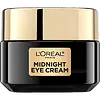
This anti-aging eye moisturizer is formulated around Acetyl Tetrapeptide-9 and Adenosine to soften the look of wrinkles.
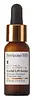
This anti-aging eye moisturizer is formulated around Tetrahexyldecyl Ascorbate and Palmitoyl Tripeptide-38 to soften the look of wrinkles and refine skin texture.


What's inside
What's inside
 Key Ingredients
Benefits
Concerns
Ingredients Side-by-side
Water
Skin ConditioningDimethicone
Emollient

Glycerin
Humectant

Isohexadecane
EmollientAlcohol Denat.
Antimicrobial




Butyrospermum Parkii Butter
Skin Conditioning


Squalane
Emollient
Cetyl Alcohol
Emollient

Stearic Acid
Cleansing
Palmitic Acid
Emollient
Glyceryl Stearate
Emollient
PEG-100 Stearate
Surfactant
PEG-20 Stearate
Emulsifying
Saccharomyces/Xylinum/Black Tea Ferment
Skin Conditioning
Cera Alba
Emollient
Octyldodecanol
Emollient
Hydrolyzed Soy Protein
Humectant
Acetyl Tetrapeptide-9
Skin Conditioning
Adenosine
Skin Conditioning
Caffeine
Skin Conditioning
Capryloyl Salicylic Acid
Exfoliating




Secale Cereale Seed Extract
Abrasive
Sodium Hyaluronate
Humectant

Sodium Hydroxide
BufferingTrisodium Ethylenediamine Disuccinate
ChelatingTocopherol
Antioxidant


Silica
Abrasive
CI 77891
Cosmetic ColorantCitric Acid
Buffering
C13-14 Isoparaffin
Emollient
Glycine Soja Oil
Emollient
Laureth-7
EmulsifyingMica
Cosmetic ColorantMyristic Acid
Cleansing
Pentylene Glycol
Skin Conditioning
Polyacrylamide
Tin Oxide
Abrasive
Dimethiconol
Emollient
CI 16035
Cosmetic ColorantCI 19140
Cosmetic ColorantChlorhexidine Digluconate
Antimicrobial
Chlorphenesin
Antimicrobial
Phenoxyethanol
Preservative
Potassium Sorbate
Preservative
Sodium Benzoate
Masking
Water, Dimethicone, Glycerin, Isohexadecane, Alcohol Denat., Butyrospermum Parkii Butter, Squalane, Cetyl Alcohol, Stearic Acid, Palmitic Acid, Glyceryl Stearate, PEG-100 Stearate, PEG-20 Stearate, Saccharomyces/Xylinum/Black Tea Ferment, Cera Alba, Octyldodecanol, Hydrolyzed Soy Protein, Acetyl Tetrapeptide-9, Adenosine, Caffeine, Capryloyl Salicylic Acid, Secale Cereale Seed Extract, Sodium Hyaluronate, Sodium Hydroxide, Trisodium Ethylenediamine Disuccinate, Tocopherol, Silica, CI 77891, Citric Acid, C13-14 Isoparaffin, Glycine Soja Oil, Laureth-7, Mica, Myristic Acid, Pentylene Glycol, Polyacrylamide, Tin Oxide, Dimethiconol, CI 16035, CI 19140, Chlorhexidine Digluconate, Chlorphenesin, Phenoxyethanol, Potassium Sorbate, Sodium Benzoate
Water
Skin ConditioningPropanediol
Solvent
Pantethine
EmollientGlycerin
Humectant
Tetrahexyldecyl Ascorbate
Antioxidant

S-Palmitoylglutathione
Antioxidant
Dimethyl Mea
BufferingPalmitoyl Tripeptide-38
Skin Conditioning
Acetyl Tyrosine
Skin ConditioningAvena Sativa Kernel Extract
Abrasive
Xanthan Gum
EmulsifyingMacadamia Ternifolia Seed Oil
Emollient
Linum Usitatissimum Seed Oil
Perfuming
Salvia Hispanica Seed Oil
Emollient
Silica Cetyl Silylate
Ethylhexylglycerin
Skin ConditioningSodium Hyaluronate
Humectant
Helianthus Annuus Seed Oil
Emollient
Rosmarinus Officinalis Leaf Extract
AntimicrobialTetrasodium Glutamate Diacetate
ChelatingAcrylates/C10-30 Alkyl Acrylate Crosspolymer
Emulsion StabilisingCaprylyl Glycol
Emollient
Hydroxypropyl Cyclodextrin
MaskingPhenoxyethanol
Preservative
Silica
Abrasive
CI 77891
Cosmetic ColorantCI 77491
Cosmetic ColorantWater, Propanediol, Pantethine, Glycerin, Tetrahexyldecyl Ascorbate, S-Palmitoylglutathione, Dimethyl Mea, Palmitoyl Tripeptide-38, Acetyl Tyrosine, Avena Sativa Kernel Extract, Xanthan Gum, Macadamia Ternifolia Seed Oil, Linum Usitatissimum Seed Oil, Salvia Hispanica Seed Oil, Silica Cetyl Silylate, Ethylhexylglycerin, Sodium Hyaluronate, Helianthus Annuus Seed Oil, Rosmarinus Officinalis Leaf Extract, Tetrasodium Glutamate Diacetate, Acrylates/C10-30 Alkyl Acrylate Crosspolymer, Caprylyl Glycol, Hydroxypropyl Cyclodextrin, Phenoxyethanol, Silica, CI 77891, CI 77491
Reviews
Ingredients Explained
These ingredients are found in both products.
Ingredients higher up in an ingredient list are typically present in a larger amount.
Ci 77891 is a white pigment from Titanium dioxide. It is naturally found in minerals such as rutile and ilmenite.
It's main function is to add a white color to cosmetics. It can also be mixed with other colors to create different shades.
Ci 77891 is commonly found in sunscreens due to its ability to block UV rays.
Learn more about CI 77891Glycerin (or glycerol) is a compound naturally found in your skin. It's a powerhouse humectant that pulls water into the stratum corneum.
Topically, glycerin does several things at once:
Your skin makes glycerin on its own (mostly from sebaceous oil breakdown) and shuttles it to your outermost layer of skin, or your epidermis, via aquaporin-3.
Aquaporin-3 is a transporter that is essential for normal skin hydration, elasticity, and repair. Interestingly, mice lacking in AQP3 have dry and less elastic skin that can be fully corrected with glycerin.
This ingredient is non-irritating, plays well with almost every ingredient, and works across all skin types. Typical use is anywhere between 3-10% but can go up to 79% in some leave-on products.
Just know very high concentrations (>40%) can feel tacky in low humidity.
Glycerin is the name for this ingredient in American English. British English uses Glycerol/Glycerine.
Learn more about GlycerinPhenoxyethanol is one of the most widely used preservatives in skincare (and for good reason!).
It has a large spectrum of antimicrobial activity and especially effective bacteria, yeast, and mold while only having a weak effect on your skin's natural microbiome.
On a cellular level, it disrupts the cell membranes of microbes by poking holes that make the cell leak. This shuts down the chemical reactions the microbe needs to make energy so it can no longer survive.
Another perk of this ingredient is that it stays functional across a wide pH range (3-10).
You'll often see it paired with boosters like Ethylhexylglycerin; one study showed that a 1:9 ratio of Ethylhexylglycerin to Phenoxyethanol damages bacterial membranes as effectively as doubling the Phenoxyethanol concentration on its own.
Typical use concentrations range from 0.3-1% depending on the formula, and this ingredient is capped at 1% int the EU.
Safety-wise, the fear mongering does not hold up to the evidence. The EU's Scientific Committee on Consumer Safety and FDA consider it safe as a preservative at up to 1%, including for children of all ages.
Adverse systemic effects only showed up in animal studies at exposures roughly 200x higher than what people get from cosmetics. And despite its very widespread use, this ingredient is a rare sensitizer and allergic reactions are uncommon.
Learn more about PhenoxyethanolSilica, also known as silicon dioxide, is a naturally occurring mineral. It is used as a fine, spherical, and porous powder in cosmetics.
Though it has exfoliant properties, the function of silica varies depending on the product.
The unique structure of silica enhances the spreadability and adds smoothness, making it a great texture enhancer.
It is also used as an active carrier, emulsifier, and mattifier due to its ability to absorb excess oil.
In some products, tiny microneedles called spicules are made from silica or hydrolyzed sponge. When you rub them in, they lightly polish away dead skin layers and enhance the penetration of active ingredients.
Learn more about SilicaSodium Hyaluronate is the salt form of hyaluronic acid. It is a long sugar chain that is naturally found in your skin, joints, and connective tissue that maintains hydration and elasticity.
In skincare, it works as a humectant. It pulls water from the environment and deeper layers of skin and binds it to the surface.
Interestingly, the size of the molecule affects its behavior:
Some clinical evidence links low molecular weight versions to improved wrinkle depth, elasticity, anti-inflammatory effects, and barrier repair.
Many serums use a blend of both weights so you can get surface hydration plus longer-lasting and deeper effects.
You'll typically see concentrations between 0.1-2% for this ingredient.
Learn more about Sodium HyaluronateWater. It's the most common cosmetic ingredient of all. You'll usually see it at the top of ingredient lists, meaning that it makes up the largest part of the product.
So why is it so popular? Water most often acts as a solvent - this means that it helps dissolve other ingredients into the formulation.
You'll also recognize water as that liquid we all need to stay alive. If you see this, drink a glass of water. Remember to stay hydrated!
Learn more about Water

