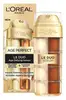
This anti-aging serum is formulated around Niacinamide and Adenosine to soften the look of wrinkles and refine skin texture.
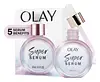
This smoothing serum is formulated around Niacinamide and Lactic Acid to refine skin texture and brighten dull-looking skin.


What's inside
What's inside
 Key Ingredients
Benefits
Concerns
Ingredients Side-by-side
Water
Skin ConditioningGlycerin
Humectant


Alcohol Denat.
Antimicrobial




Dimethicone
Emollient
Butylene Glycol
Humectant
Dipropylene Glycol
HumectantSilica
Abrasive


CI 77891
Cosmetic ColorantNiacinamide
Smoothing







Caprylic/Capric Triglyceride
Masking
Adenosine
Skin Conditioning
Alanine
Masking
Arginine
Masking
Aspartic Acid
Masking
Calcium PCA
Humectant
Capryloyl Salicylic Acid
Exfoliating
Copper Gluconate
Skin Conditioning
Glucose
Humectant
Glycine
Buffering
Histidine
Humectant
Isoleucine
Skin ConditioningMagnesium Aspartate
Skin ConditioningNeohesperidin Dihydrochalcone
Masking

Palmitoyl Tetrapeptide-7
Skin Conditioning
Palmitoyl Tripeptide-1
Skin Conditioning
PCA
Humectant
Phenylalanine
Masking
Proline
Skin Conditioning
Saccharomyces Cerevisiae Extract
Skin Conditioning
Serine
Masking
Sodium Hyaluronate
Humectant
Sodium Hydroxide
BufferingSodium PCA
Humectant
Threonine
Trisodium Ethylenediamine Disuccinate
Valine
MaskingZinc Gluconate
Skin Conditioning
Ascorbyl Glucoside
Antioxidant

Panthenol
Skin Conditioning
Tocopherol
Antioxidant
Argania Spinosa Kernel Oil
Emollient
Ammonium Polyacryloyldimethyl Taurate
Emulsion StabilisingCaprylyl Glycol
Emollient
Carbomer
Emulsion StabilisingCitric Acid
Buffering
Glycine Soja Oil
Emollient

Mica
Cosmetic ColorantPoloxamer 338
EmulsifyingPolysorbate 20
Emulsifying
Sodium Lactate
Buffering
Tin Oxide
Abrasive
1,2-Hexanediol
Skin Conditioning
Methylsilanol/Silicate Crosspolymer
Skin ConditioningLimonene
Perfuming
Linalool
Perfuming
Caramel
Cosmetic ColorantPhenoxyethanol
Preservative
Parfum
Masking
Water, Glycerin, Alcohol Denat., Dimethicone, Butylene Glycol, Dipropylene Glycol, Silica, CI 77891, Niacinamide, Caprylic/Capric Triglyceride, Adenosine, Alanine, Arginine, Aspartic Acid, Calcium PCA, Capryloyl Salicylic Acid, Copper Gluconate, Glucose, Glycine, Histidine, Isoleucine, Magnesium Aspartate, Neohesperidin Dihydrochalcone, Palmitoyl Tetrapeptide-7, Palmitoyl Tripeptide-1, PCA, Phenylalanine, Proline, Saccharomyces Cerevisiae Extract, Serine, Sodium Hyaluronate, Sodium Hydroxide, Sodium PCA, Threonine, Trisodium Ethylenediamine Disuccinate, Valine, Zinc Gluconate, Ascorbyl Glucoside, Panthenol, Tocopherol, Argania Spinosa Kernel Oil, Ammonium Polyacryloyldimethyl Taurate, Caprylyl Glycol, Carbomer, Citric Acid, Glycine Soja Oil, Mica, Poloxamer 338, Polysorbate 20, Sodium Lactate, Tin Oxide, 1,2-Hexanediol, Methylsilanol/Silicate Crosspolymer, Limonene, Linalool, Caramel, Phenoxyethanol, Parfum
Water
Skin ConditioningGlycerin
Humectant
Dimethicone
Emollient
Niacinamide
Smoothing
Lactic Acid
Buffering
Polyacrylate Crosspolymer-6
Emulsion StabilisingPalmitoyl Pentapeptide-4
Skin Conditioning
3-O-Ethyl Ascorbic Acid
Skin Conditioning
Sodium Hyaluronate
Humectant
Tocopheryl Acetate
Antioxidant
Panthenol
Skin Conditioning
Trehalose
Humectant
PEG-11 Methyl Ether Dimethicone
Emulsifying
Sodium Lactate
Buffering
Mica
Cosmetic ColorantTitanium Dioxide
Cosmetic Colorant

Sodium Benzoate
Masking
Parfum
Masking
Reviews
Ingredients Explained
These ingredients are found in both products.
Ingredients higher up in an ingredient list are typically present in a larger amount.
Dimethicone is a type of synthetic silicone created from natural materials such as quartz. It is also known as polydimethylsiloxane.
What it does:
Dimethicone comes in different viscosities:
Depending on the viscosity, dimethicone has different properties.
Ingredients lists don't always show which type is used, so we recommend reaching out to the brand if you have questions about the viscosity.
This ingredient is unlikely to cause irritation because it does not get absorbed into skin. However, people with silicone allergies should be careful about using this ingredient.
Note: Dimethicone may contribute to pilling. This is because it is not oil or water soluble, so pilling may occur when layered with products. When mixed with heavy oils in a formula, the outcome is also quite greasy.
Learn more about DimethiconeGlycerin (or glycerol) is a compound naturally found in your skin. It's a powerhouse humectant that pulls water into the stratum corneum.
Topically, glycerin does several things at once:
Your skin makes glycerin on its own (mostly from sebaceous oil breakdown) and shuttles it to your outermost layer of skin, or your epidermis, via aquaporin-3.
Aquaporin-3 is a transporter that is essential for normal skin hydration, elasticity, and repair. Interestingly, mice lacking in AQP3 have dry and less elastic skin that can be fully corrected with glycerin.
This ingredient is non-irritating, plays well with almost every ingredient, and works across all skin types. Typical use is anywhere between 3-10% but can go up to 79% in some leave-on products.
Just know very high concentrations (>40%) can feel tacky in low humidity.
Glycerin is the name for this ingredient in American English. British English uses Glycerol/Glycerine.
Learn more about GlycerinMica is a naturally occurring mineral used to add shimmer and color in cosmetics. It can also help improve the texture of a product or give it an opaque, white/silver color.
Serecite is the name for very fine but ragged grains of mica.
This ingredient is often coated with metal oxides like titanium dioxide. Trace amounts of heavy metals may be found in mica, but these metals are not harmful in our personal products.
Mica has been used since prehistoric times throughout the world. Ancient Egyptian, Indian, Greek, Roman, Aztec, and Chinese civilizations have used mica.
Learn more about MicaNiacinamide is a multitasking form of vitamin B3 that strengthens the skin barrier, reduces pores and dark spots, regulates oil, and improves signs of aging.
And the best part? It's gentle and well-tolerated by most skin types, including sensitive and reactive skin.
You might have heard of "niacin flush", or the reddening of skin that causes itchiness. Niacinamide has not been found to cause this.
In very rare cases, some individuals may not be able to tolerate niacinamide at all or experience an allergic reaction to it.
If you are experiencing flaking, irritation, and dryness with this ingredient, be sure to double check all your products as this ingredient can be found in all categories of skincare.
When incorporating niacinamide into your routine, look out for concentration amounts. Typically, 5% niacinamide provides benefits such as fading dark spots. However, if you have sensitive skin, it is better to begin with a smaller concentration.
When you apply niacinamide to your skin, your body converts it into nicotinamide adenine dinucleotide (NAD). NAD is an essential coenzyme that is already found in your cells as "fuel" and powers countless biological processes.
In your skin, NAD helps repair cell damage, produce new healthy cells, support collagen production, strengthen the skin barrier, and fight environmental stressors (like UV and pollution).
Our natural NAD levels start to decline with age, leading to slower skin repair, visible aging, and a weaker skin barrier. By providing your skin niacinamide, you're recharging your skin's NAD levels. This leads to stronger, healthier, and younger looking skin.
Another name for vitamin B3 is nicotinamide. This vitamin is water-soluble and our bodies don't store it. We obtain Vitamin B3 from either food or skincare. Meat, fish, wheat, yeast, and leafy greens contain vitamin B3.
The type of niacinamide used in skincare is synthetically created.
Learn more about NiacinamidePanthenol is a common ingredient that helps hydrate and soothe the skin. It is found naturally in our skin and hair.
There are two forms of panthenol: D and L.
D-panthenol is also known as dexpanthenol. Most cosmetics use dexpanthenol or a mixture of D and L-panthenol.
Panthenol is famous due to its ability to go deeper into the skin's layers. Using this ingredient has numerous pros (and no cons):
Like hyaluronic acid, panthenol is a humectant. Humectants are able to bind and hold large amounts of water to keep skin hydrated.
This ingredient works well for wound healing. It works by increasing tissue in the wound and helps close open wounds.
Once oxidized, panthenol converts to pantothenic acid. Panthothenic acid is found in all living cells.
This ingredient is also referred to as pro-vitamin B5.
Learn more about PanthenolParfum is a catch-all term for an ingredient or more that is used to give a scent to products.
Also called "fragrance", this ingredient can be a blend of hundreds of chemicals or plant oils. This means every product with "fragrance" or "parfum" in the ingredients list is a different mixture.
For instance, Habanolide is a proprietary trade name for a specific aroma chemical. When used as a fragrance ingredient in cosmetics, most aroma chemicals fall under the broad labeling category of “FRAGRANCE” or “PARFUM” according to EU and US regulations.
The term 'parfum' or 'fragrance' is not regulated in many countries. In many cases, it is up to the brand to define this term.
For instance, many brands choose to label themselves as "fragrance-free" because they are not using synthetic fragrances. However, their products may still contain ingredients such as essential oils that are considered a fragrance by INCI standards.
One example is Calendula flower extract. Calendula is an essential oil that still imparts a scent or 'fragrance'.
Depending on the blend, the ingredients in the mixture can cause allergies and sensitivities on the skin. Some ingredients that are known EU allergens include linalool and citronellol.
Parfum can also be used to mask or cover an unpleasant scent.
The bottom line is: not all fragrances/parfum/ingredients are created equally. If you are worried about fragrances, we recommend taking a closer look at an ingredient. And of course, we always recommend speaking with a professional.
Learn more about ParfumSodium Hyaluronate is the salt form of hyaluronic acid. It is a long sugar chain that is naturally found in your skin, joints, and connective tissue that maintains hydration and elasticity.
In skincare, it works as a humectant. It pulls water from the environment and deeper layers of skin and binds it to the surface.
Interestingly, the size of the molecule affects its behavior:
Some clinical evidence links low molecular weight versions to improved wrinkle depth, elasticity, anti-inflammatory effects, and barrier repair.
Many serums use a blend of both weights so you can get surface hydration plus longer-lasting and deeper effects.
You'll typically see concentrations between 0.1-2% for this ingredient.
Learn more about Sodium HyaluronateSodium Lactate is the sodium salt of lactic acid, an AHA. It is a humectant and sometimes used to adjust the pH of a product.
This ingredient is part of our skin's NMF, or natural moisturizing factor. Our NMF is essential for the hydration of our top skin layers and plasticity of skin. NMF also influences our skin's natural acid mantle and pH, which protects our skin from harmful bacteria.
High percentages of Sodium Lactate can have an exfoliating effect.
Fun fact: Sodium Lactate is produced from fermented sugar.
Learn more about Sodium LactateWater. It's the most common cosmetic ingredient of all. You'll usually see it at the top of ingredient lists, meaning that it makes up the largest part of the product.
So why is it so popular? Water most often acts as a solvent - this means that it helps dissolve other ingredients into the formulation.
You'll also recognize water as that liquid we all need to stay alive. If you see this, drink a glass of water. Remember to stay hydrated!
Learn more about Water

