
What's inside
What's inside
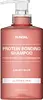 Key Ingredients
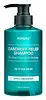
Benefits
Concerns
Ingredients Side-by-side
Water
Skin ConditioningSodium C14-16 Olefin Sulfonate
Cleansing

Cocamidopropyl Betaine
Cleansing

Cocamide Mea
Emulsifying
Glycol Distearate
Emollient
Sodium Chloride
MaskingGlycerin
Humectant


Tetradecene
EmollientHydroxyacetophenone
Antioxidant
Citric Acid
Buffering

Hexadecene
SolventPolyquaternium-10
Oenothera Biennis Flower Extract
AstringentButylene Glycol
Humectant
Ethylhexylglycerin
Skin ConditioningPolyquaternium-7
Guar Hydroxypropyltrimonium Chloride
Skin ConditioningDisodium EDTA
Chelating1,2-Hexanediol
Skin Conditioning
Sodium Benzoate
Masking
Maltodextrin
Absorbent
Ocimum Sanctum Leaf Extract
Skin ConditioningHibiscus Syriacus Flower Extract
Antioxidant
Chlorella Vulgaris Extract
Skin ConditioningPropanediol
Solvent
Hydrolyzed Soy Protein
Humectant
Hydrolyzed Wheat Protein
Skin ConditioningHydrolyzed Corn Protein
Skin ConditioningGlycine
Buffering
Serine
Masking
Glutamic Acid
Humectant
Benzyl Glycol
SolventAspartic Acid
Masking
Leucine
Skin ConditioningHydrolyzed Glycosaminoglycans
HumectantSodium Hyaluronate
Humectant


Alanine
Masking
Lysine
Skin ConditioningArginine
Masking
Tyrosine
MaskingPhenylalanine
Masking
Threonine
Proline
Skin Conditioning
Valine
MaskingIsoleucine
Skin ConditioningHistidine
Humectant
Methionine
Skin ConditioningCysteine
Antioxidant
Sodium Hyaluronate Crosspolymer
Humectant
Hydrolyzed Hyaluronic Acid
Humectant
Hydroxypropyltrimonium Hyaluronate
Hyaluronic Acid
Humectant
Sodium Acetylated Hyaluronate
Humectant
Parfum
Masking

Alpha-Isomethyl Ionone
Perfuming
Citronellol
Perfuming
Limonene
Perfuming
Hexyl Cinnamal
Perfuming
Linalool
Perfuming
Water, Sodium C14-16 Olefin Sulfonate, Cocamidopropyl Betaine, Cocamide Mea, Glycol Distearate, Sodium Chloride, Glycerin, Tetradecene, Hydroxyacetophenone, Citric Acid, Hexadecene, Polyquaternium-10, Oenothera Biennis Flower Extract, Butylene Glycol, Ethylhexylglycerin, Polyquaternium-7, Guar Hydroxypropyltrimonium Chloride, Disodium EDTA, 1,2-Hexanediol, Sodium Benzoate, Maltodextrin, Ocimum Sanctum Leaf Extract, Hibiscus Syriacus Flower Extract, Chlorella Vulgaris Extract, Propanediol, Hydrolyzed Soy Protein, Hydrolyzed Wheat Protein, Hydrolyzed Corn Protein, Glycine, Serine, Glutamic Acid, Benzyl Glycol, Aspartic Acid, Leucine, Hydrolyzed Glycosaminoglycans, Sodium Hyaluronate, Alanine, Lysine, Arginine, Tyrosine, Phenylalanine, Threonine, Proline, Valine, Isoleucine, Histidine, Methionine, Cysteine, Sodium Hyaluronate Crosspolymer, Hydrolyzed Hyaluronic Acid, Hydroxypropyltrimonium Hyaluronate, Hyaluronic Acid, Sodium Acetylated Hyaluronate, Parfum, Alpha-Isomethyl Ionone, Citronellol, Limonene, Hexyl Cinnamal, Linalool
Water
Skin ConditioningDisodium Laureth Sulfosuccinate
CleansingCocamide Methyl Mea
Foam Boosting
Cocamidopropyl Betaine
Cleansing
Glycerin
Humectant
Sodium Chloride
MaskingPolyquaternium-22
Propanediol
Solvent
Alcohol Denat.
Antimicrobial

Caprylyl Glycol
Emollient
Butylene Glycol
Humectant
Citric Acid
Buffering
Piroctone Olamine
Preservative
Tetrasodium EDTA
ChelatingSodium Citrate
Buffering1,2-Hexanediol
Skin Conditioning
Macrocystis Pyrifera Extract
Skin Conditioning
Ulmus Davidiana Root Extract
Skin Conditioning
Aloe Barbadensis Leaf Extract
Emollient
Viola Odorata Flower Extract
MaskingDioscorea Villosa Root Extract
Skin Conditioning
Hexylene Glycol
EmulsifyingCamellia Sinensis Flower Extract
Perfuming
Oenothera Biennis Flower Extract
AstringentHair Extract
Camellia Euryoides Leaf Extract
EmollientElettaria Cardamomum Fruit Extract
AntimicrobialAcetyl Hexapeptide-8
Humectant
Nonapeptide-1
Skin Conditioning
Dipeptide-2
Skin Conditioning
Dipeptide-4
Skin Conditioning
Dipeptide Diaminobutyroyl Benzylamide Diacetate
Skin Conditioning
Acetyl Octapeptide-3
Humectant
Acetyl Tetrapeptide-2
Skin Conditioning
Acetyl Tetrapeptide-3
Skin Protecting
Acetyl Tetrapeptide-5
Humectant
Acetyl Tripeptide-1
Skin Conditioning
Oligopeptide-6
Skin Conditioning
Copper Tripeptide-1
Skin Conditioning
Tripeptide-2
Skin Conditioning
Tripeptide-3
Skin Conditioning
Palmitoyl Pentapeptide-4
Skin Conditioning
Pentapeptide-3
Skin Conditioning
Hexapeptide-2
Bleaching
Hexapeptide-9
Skin Conditioning
Palmitoyl Tripeptide-1
Skin Conditioning
Palmitoyl Tripeptide-5
Skin Conditioning
Parfum
Masking
Water, Disodium Laureth Sulfosuccinate, Cocamide Methyl Mea, Cocamidopropyl Betaine, Glycerin, Sodium Chloride, Polyquaternium-22, Propanediol, Alcohol Denat., Caprylyl Glycol, Butylene Glycol, Citric Acid, Piroctone Olamine, Tetrasodium EDTA, Sodium Citrate, 1,2-Hexanediol, Macrocystis Pyrifera Extract, Ulmus Davidiana Root Extract, Aloe Barbadensis Leaf Extract, Viola Odorata Flower Extract, Dioscorea Villosa Root Extract, Hexylene Glycol, Camellia Sinensis Flower Extract, Oenothera Biennis Flower Extract, Hair Extract, Camellia Euryoides Leaf Extract, Elettaria Cardamomum Fruit Extract, Acetyl Hexapeptide-8, Nonapeptide-1, Dipeptide-2, Dipeptide-4, Dipeptide Diaminobutyroyl Benzylamide Diacetate, Acetyl Octapeptide-3, Acetyl Tetrapeptide-2, Acetyl Tetrapeptide-3, Acetyl Tetrapeptide-5, Acetyl Tripeptide-1, Oligopeptide-6, Copper Tripeptide-1, Tripeptide-2, Tripeptide-3, Palmitoyl Pentapeptide-4, Pentapeptide-3, Hexapeptide-2, Hexapeptide-9, Palmitoyl Tripeptide-1, Palmitoyl Tripeptide-5, Parfum
Reviews
Ingredients Explained
These ingredients are found in both products.
Ingredients higher up in an ingredient list are typically present in a larger amount.
1,2-Hexanediol is a synthetic liquid and another multi-functional powerhouse.
It is a:
- Humectant, drawing moisture into the skin
- Emollient, helping to soften skin
- Solvent, dispersing and stabilizing formulas
- Preservative booster, enhancing the antimicrobial activity of other preservatives
Butylene Glycol (or BG) is used within cosmetic products for a few different reasons:
Overall, Butylene Glycol is a safe and well-rounded ingredient that works well with other ingredients.
Though this ingredient works well with most skin types, some people with sensitive skin may experience a reaction such as allergic rashes, closed comedones, or itchiness.
Learn more about Butylene GlycolCitric Acid is an alpha hydroxy acid (AHA) naturally found in citrus fruits like oranges, lemons, and limes.
Like other AHAs, citric acid can exfoliate skin by breaking down the bonds that hold dead skin cells together. This helps reveal smoother and brighter skin underneath.
However, this exfoliating effect only happens at high concentrations (20%) which can be hard to find in cosmetic products.
Due to this, citric acid is usually included in small amounts as a pH adjuster. This helps keep products slightly more acidic and compatible with skin's natural pH.
In skincare formulas, citric acid can:
While it can provide some skin benefits, research shows lactic acid and glycolic acid are generally more effective and less irritating exfoliants.
Most citric acid used in skincare today is made by fermenting sugars (usually from molasses). This synthetic version is identical to the natural citrus form but easier to stabilize and use in formulations.
Rosacea skin has a lower threshold for acids generally, with 62.5% of rosacea subjects in one study reacting to lactic acid in a sting test. This is why we mark citric acid as a potential rosacea trigger.
However, this ingredient shows up as a pH adjuster or chelator at roughly 0.1-1% in many products. These low levels are unlikely to be an issue for rosacea skin and becomes a potential trigger at exfoliating concentrations (20%). Because everybody's skin is unique, we recommend a patch test if you are unsure.
Learn more about Citric AcidCocamidopropyl Betaine is a fatty acid created by mixing similar compounds in coconut oil and dimethylaminopropylamine, a compound with two amino groups.
This ingredient is a surfactant and cleanser. It helps gather the dirt, pollutants, and other impurities in your skin to be washed away. It also helps thicken a product and make the texture more creamy.
Being created from coconut oil means Cocamidopropyl Betaine is hydrating for the skin.
While Cocamidopropyl Betaine was believed to be an allergen, a study from 2012 disproved this. It found two compounds in unpure Cocamidopropyl Betaine to be the irritants: aminoamide and 3-dimethylaminopropylamine. High-grade and pure Cocamidopropyl Betaine did not induce allergic reactions during this study.
Learn more about Cocamidopropyl BetaineGlycerin (or glycerol) is a compound naturally found in your skin. It's a powerhouse humectant that pulls water into the stratum corneum.
Topically, glycerin does several things at once:
Your skin makes glycerin on its own (mostly from sebaceous oil breakdown) and shuttles it to your outermost layer of skin, or your epidermis, via aquaporin-3.
Aquaporin-3 is a transporter that is essential for normal skin hydration, elasticity, and repair. Interestingly, mice lacking in AQP3 have dry and less elastic skin that can be fully corrected with glycerin.
This ingredient is non-irritating, plays well with almost every ingredient, and works across all skin types. Typical use is anywhere between 3-10% but can go up to 79% in some leave-on products.
Just know very high concentrations (>40%) can feel tacky in low humidity.
Glycerin is the name for this ingredient in American English. British English uses Glycerol/Glycerine.
Learn more about GlycerinWe don't have a description for Oenothera Biennis Flower Extract yet.
Parfum is a catch-all term for an ingredient or more that is used to give a scent to products.
Also called "fragrance", this ingredient can be a blend of hundreds of chemicals or plant oils. This means every product with "fragrance" or "parfum" in the ingredients list is a different mixture.
For instance, Habanolide is a proprietary trade name for a specific aroma chemical. When used as a fragrance ingredient in cosmetics, most aroma chemicals fall under the broad labeling category of “FRAGRANCE” or “PARFUM” according to EU and US regulations.
The term 'parfum' or 'fragrance' is not regulated in many countries. In many cases, it is up to the brand to define this term.
For instance, many brands choose to label themselves as "fragrance-free" because they are not using synthetic fragrances. However, their products may still contain ingredients such as essential oils that are considered a fragrance by INCI standards.
One example is Calendula flower extract. Calendula is an essential oil that still imparts a scent or 'fragrance'.
Depending on the blend, the ingredients in the mixture can cause allergies and sensitivities on the skin. Some ingredients that are known EU allergens include linalool and citronellol.
Parfum can also be used to mask or cover an unpleasant scent.
The bottom line is: not all fragrances/parfum/ingredients are created equally. If you are worried about fragrances, we recommend taking a closer look at an ingredient. And of course, we always recommend speaking with a professional.
Learn more about ParfumPropanediol is an all-star ingredient. It softens, hydrates, and smooths the skin.
It’s often used to:
Propanediol is not likely to cause sensitivity and considered safe to use. It is derived from corn or petroleum with a clear color and no scent.
Learn more about PropanediolChances are, you eat sodium chloride every day. Sodium Chloride is also known as table salt. This ingredient has many purposes in skincare: thickener, emulsifier, and exfoliator.
You'll most likely find this ingredient in cleansers where it is used to create a gel-like texture. As an emulsifier, it also prevents ingredients from separating.
You might see people debate whether Sodium Chloride is comedogenic, but there actually haven't been any comedogenic tests done on it. Either way, the overall formulation of a product matters a lot more than any single ingredient.
You might see this ingredient used in scrubs as a primary exfoliating ingredient.
Learn more about Sodium ChlorideWater. It's the most common cosmetic ingredient of all. You'll usually see it at the top of ingredient lists, meaning that it makes up the largest part of the product.
So why is it so popular? Water most often acts as a solvent - this means that it helps dissolve other ingredients into the formulation.
You'll also recognize water as that liquid we all need to stay alive. If you see this, drink a glass of water. Remember to stay hydrated!
Learn more about Water

