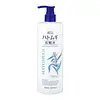
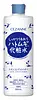
KUMANO COSME Reihaku Hatomugi Moisturizing & Conditioning The Lotion Versus Cezanne Skin Conditioner Blue
This hydrating toner is formulated around Sodium Hyaluronate to hydrate skin and calm redness.

What's inside
What's inside
 Key Ingredients
Benefits
Concerns
Ingredients Side-by-side
Water
Skin ConditioningGlycerin
Humectant


Dimethicone
Emollient
Coix Lacryma-Jobi Ma-Yuen Seed Extract
Skin ConditioningHoney
Humectant
Squalane
Emollient
Sodium Hyaluronate
Humectant

Argania Spinosa Kernel Oil
Emollient





Simmondsia Chinensis Seed Oil
Emollient
Betaine
Humectant
Carbomer
Emulsion StabilisingDisodium EDTA
ChelatingSodium Hydroxide
BufferingPhenoxyethanol
Preservative
Methylparaben
Preservative


Parfum
Masking


Water
Skin ConditioningButylene Glycol
Humectant
Dipropylene Glycol
HumectantCoix Lacryma-Jobi Ma-Yuen Seed Extract
Skin ConditioningSorbitol
Humectant
Betaine
Humectant
Sodium Hyaluronate
Humectant
Sodium Acetylated Hyaluronate
Humectant
Hydrolyzed Hyaluronic Acid
Humectant
Succinoyl Atelocollagen
Skin Conditioning
Glycine Soja Extract
Skin ConditioningGlutamic Acid
Humectant
Polyglutamic Acid
Skin Conditioning
Rosa Multiflora Fruit Extract
MaskingCitrus Limon Fruit Extract
Masking
Cynara Scolymus Leaf Extract
Skin ConditioningVitis Vinifera Leaf Extract
Skin ConditioningClematis Vitalba Leaf Extract
Skin ConditioningRosmarinus Officinalis Leaf Extract
AntimicrobialSalvia Officinalis Leaf Extract
CleansingHedera Helix Leaf/Stem Extract
AntimicrobialNasturtium Officinale Leaf/Stem Extract
Skin ConditioningHypericum Perforatum Flower/Leaf/Stem Extract
Skin ConditioningHumulus Lupulus Extract
AntimicrobialArnica Montana Flower Extract
Masking
Malva Sylvestris Extract
AstringentChamomilla Recutita Flower Extract
Masking
Anthemis Nobilis Flower Extract
Masking
Lamium Album Flower Extract
AstringentCalendula Officinalis Flower Extract
Masking
Spiraea Ulmaria Flower Extract
Skin ConditioningPinus Sylvestris Cone Extract
Masking
Morus Alba Root Extract
BleachingPaeonia Albiflora Root Extract
Skin ConditioningAngelica Acutiloba Root Extract
Skin ConditioningArctium Lappa Root Extract
Skin Conditioning
Allium Sativum Bulb Extract
Skin ConditioningSophora Angustifolia Root Extract
Skin ConditioningHydrangea Serrata Leaf Extract
Skin ConditioningEquisetum Arvense Extract
AstringentFucus Vesiculosus Extract
Emollient
Tilia Cordata Extract
RefreshingAchillea Millefolium Extract
CleansingSodium PCA
Humectant
Serine
Masking
Lysine
Skin ConditioningGlycine
Buffering
Alanine
Masking
Arginine
Masking
Threonine
Proline
Skin Conditioning
Citric Acid
Buffering

Sodium Citrate
BufferingDisodium EDTA
ChelatingXanthan Gum
EmulsifyingStyrene/Vp Copolymer
Methylparaben
Preservative
Propylparaben
Preservative
Water, Butylene Glycol, Dipropylene Glycol, Coix Lacryma-Jobi Ma-Yuen Seed Extract, Sorbitol, Betaine, Sodium Hyaluronate, Sodium Acetylated Hyaluronate, Hydrolyzed Hyaluronic Acid, Succinoyl Atelocollagen, Glycine Soja Extract, Glutamic Acid, Polyglutamic Acid, Rosa Multiflora Fruit Extract, Citrus Limon Fruit Extract, Cynara Scolymus Leaf Extract, Vitis Vinifera Leaf Extract, Clematis Vitalba Leaf Extract, Rosmarinus Officinalis Leaf Extract, Salvia Officinalis Leaf Extract, Hedera Helix Leaf/Stem Extract, Nasturtium Officinale Leaf/Stem Extract, Hypericum Perforatum Flower/Leaf/Stem Extract, Humulus Lupulus Extract, Arnica Montana Flower Extract, Malva Sylvestris Extract, Chamomilla Recutita Flower Extract, Anthemis Nobilis Flower Extract, Lamium Album Flower Extract, Calendula Officinalis Flower Extract, Spiraea Ulmaria Flower Extract, Pinus Sylvestris Cone Extract, Morus Alba Root Extract, Paeonia Albiflora Root Extract, Angelica Acutiloba Root Extract, Arctium Lappa Root Extract, Allium Sativum Bulb Extract, Sophora Angustifolia Root Extract, Hydrangea Serrata Leaf Extract, Equisetum Arvense Extract, Fucus Vesiculosus Extract, Tilia Cordata Extract, Achillea Millefolium Extract, Sodium PCA, Serine, Lysine, Glycine, Alanine, Arginine, Threonine, Proline, Citric Acid, Sodium Citrate, Disodium EDTA, Xanthan Gum, Styrene/Vp Copolymer, Methylparaben, Propylparaben
Ingredients Explained
These ingredients are found in both products.
Ingredients higher up in an ingredient list are typically present in a larger amount.
Betaine is a humectant. Like hyaluronic acid, it helps attract and retain moisture in the skin. It’s known for being gentle and for helping the skin maintain balanced hydration.
Betaine is mainly used to improve hydration and support calmer skin. It helps skin cells regulate water balance because it functions as an osmolyte.
Some studies suggest betaine may support making skin tone more even.
Fun fact: Betaine naturally exists in the skin and the body. In cosmetic products, it can be either plant-derived (most commonly from sugar beets) or synthetically produced for consistency and stability.
Betaine is also known as trimethylglycine.
Learn more about BetaineYou might know this plant as Job's Tears or Chinese pearl barley. It is a grain native to Southeast Asia.
This ingredient has skin conditioning properties. Emerging studies show the grain to exhibit antioxidant and anti-inflammation properties as well. (With one study finding this ingredient to be effective at blocking melanin when skin is exposed to UV).
Job's tears is rich in nutrients, such as thiamine, riboflavin, niacin and ascorbic acid.
You can also find great antioxidants such as ferulic acid, caffeic acid.
To top if off, ceramides are also present in this grain.
Learn more about Coix Lacryma-Jobi Ma-Yuen Seed ExtractDisodium EDTA is a chelating agent. It grabs onto and deactivates metal ions that sneak into your products from water, packaging, or air.
This ingredient mainly works behind the scenes and helps with:
On top of that, this ingredient can counteract the effects of hard water by binding to the minerals in it.
One thing worth knowing is that Disodium EDTA has been shown to be a mild penetration enhancer. It can help other ingredients absorb into skin more effectively which can be a double-edged sword (great for actives, but can also make the active too strong if you have sensitive skin).
Clinical patch testing showed no significant skin irritation at typical use concentrations and minimal dermal absorption.
You'll most likely see this ingredient near the end of an ingredient list. It's typically found in concentrations less than 1%.
Learn more about Disodium EDTAMethylparaben is a synthetic preservative and one of the most widely used in the world. It has a simple, but important job: prevent your products from going bad by stopping bacteria, yeast, and mold from growing.
Typical use levels are low, often 0.1-0.3%.
This is also one of the most heavily studied preservatives out there and major regulatory bodies have repeatedly given it the green light.
In 2023, the EU's Scientific Committee on Consumer Safety (SCCS) confirmed that this ingredient is safe up to 0.4% on its own, of up to 0.8% when mixed with other paraben esters.
Here's the science behind the noise behind parabens/hormones as well:
Methylparaben shows very weak estrogen-like activity in vitro tests (more than 1,000x weaker than your body's own estradiol). In vivo (live-organism) studies don't support a meaningful endocrine-disrupting effect either.
You get a stronger estrogenic effect from eating tofu, actually.
It's also a low sensitizer and allergic reactions are uncommon; they usually happen on damage or broken skin.
There is a caveat: France has proposed to formally re-examine its endocrine classification in 2025 so the regulatory conversation isn't fully closed as of yet.
But as it stands today, this ingredient is considered safe at permitted levels.
Learn more about MethylparabenSodium Hyaluronate is the salt form of hyaluronic acid. It is a long sugar chain that is naturally found in your skin, joints, and connective tissue that maintains hydration and elasticity.
In skincare, it works as a humectant. It pulls water from the environment and deeper layers of skin and binds it to the surface.
Interestingly, the size of the molecule affects its behavior:
Some clinical evidence links low molecular weight versions to improved wrinkle depth, elasticity, anti-inflammatory effects, and barrier repair.
Many serums use a blend of both weights so you can get surface hydration plus longer-lasting and deeper effects.
You'll typically see concentrations between 0.1-2% for this ingredient.
Learn more about Sodium HyaluronateWater. It's the most common cosmetic ingredient of all. You'll usually see it at the top of ingredient lists, meaning that it makes up the largest part of the product.
So why is it so popular? Water most often acts as a solvent - this means that it helps dissolve other ingredients into the formulation.
You'll also recognize water as that liquid we all need to stay alive. If you see this, drink a glass of water. Remember to stay hydrated!
Learn more about Water

