
What's inside
What's inside
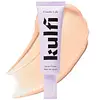 Key Ingredients
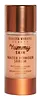
Benefits
Concerns
No concerns
Ingredients Side-by-side
Water
Skin ConditioningOctyldodecanol
Emollient
Propanediol
Solvent

Caprylic/Capric Triglyceride
Masking
Lauroyl Lysine
Skin Conditioning
Pentylene Glycol
Skin Conditioning
Niacinamide
Smoothing









Glycerin
Humectant
Pvp
Emulsion StabilisingBehenyl Alcohol
Emollient
Glyceryl Caprylate
EmollientCetyl Alcohol
Emollient

Glyceryl Behenate
Emollient
Tocopherol
Antioxidant

Emblica Officinalis Fruit Extract
Skin ConditioningTerminalia Bellerica Fruit Extract
AntimicrobialTerminalia Chebula Fruit Extract
Skin ConditioningChondrus Crispus Extract
Skin Conditioning

Sodium Hyaluronate
Humectant
Tranexamic Acid
Astringent
Helianthus Annuus Seed Oil
Emollient
Lecithin
Emollient
Hydroxyacetophenone
Antioxidant
Lauryl Alcohol
Emollient
Myristyl Alcohol
Emollient
Ammonium Acryloyldimethyltaurate/Vp Copolymer
Palmitic Acid
Emollient
Glyceryl Stearate
Emollient
Stearic Acid
Cleansing
1,2-Hexanediol
Skin Conditioning
Phytic Acid
Chelating
Sodium Phytate
ChelatingCaprylhydroxamic Acid
ChelatingPotassium Sorbate
Preservative
Sodium Benzoate
Masking
Citric Acid
Buffering
Sodium Hydroxide
BufferingCI 77891
Cosmetic ColorantIron Oxides
Water, Octyldodecanol, Propanediol, Caprylic/Capric Triglyceride, Lauroyl Lysine, Pentylene Glycol, Niacinamide, Glycerin, Pvp, Behenyl Alcohol, Glyceryl Caprylate, Cetyl Alcohol, Glyceryl Behenate, Tocopherol, Emblica Officinalis Fruit Extract, Terminalia Bellerica Fruit Extract, Terminalia Chebula Fruit Extract, Chondrus Crispus Extract, Sodium Hyaluronate, Tranexamic Acid, Helianthus Annuus Seed Oil, Lecithin, Hydroxyacetophenone, Lauryl Alcohol, Myristyl Alcohol, Ammonium Acryloyldimethyltaurate/Vp Copolymer, Palmitic Acid, Glyceryl Stearate, Stearic Acid, 1,2-Hexanediol, Phytic Acid, Sodium Phytate, Caprylhydroxamic Acid, Potassium Sorbate, Sodium Benzoate, Citric Acid, Sodium Hydroxide, CI 77891, Iron Oxides
Water
Skin ConditioningSilica
Abrasive
Propanediol
Solvent
Glycerin
Humectant
Pyrus Malus Fruit Extract
Skin Conditioning
Hyaluronic Acid
Humectant
Kaolin
Abrasive
Niacinamide
Smoothing
Zinc PCA
Humectant
Squalane
Emollient
Tremella Fuciformis Extract
Humectant
Gluconolactone
Chelating
Galactoarabinan
Calcium Gluconate
HumectantPolyacrylate Crosspolymer-6
Emulsion StabilisingPotassium Sorbate
Preservative
Ethylhexylglycerin
Skin ConditioningSodium Benzoate
Masking
Alumina
Abrasive
CI 77891
Cosmetic ColorantCI 77491
Cosmetic ColorantWater, Silica, Propanediol, Glycerin, Pyrus Malus Fruit Extract, Hyaluronic Acid, Kaolin, Niacinamide, Zinc PCA, Squalane, Tremella Fuciformis Extract, Gluconolactone, Galactoarabinan, Calcium Gluconate, Polyacrylate Crosspolymer-6, Potassium Sorbate, Ethylhexylglycerin, Sodium Benzoate, Alumina, CI 77891, CI 77491
Reviews
Ingredients Explained
These ingredients are found in both products.
Ingredients higher up in an ingredient list are typically present in a larger amount.
Ci 77891 is a white pigment from Titanium dioxide. It is naturally found in minerals such as rutile and ilmenite.
It's main function is to add a white color to cosmetics. It can also be mixed with other colors to create different shades.
Ci 77891 is commonly found in sunscreens due to its ability to block UV rays.
Learn more about CI 77891Glycerin (or glycerol) is a compound naturally found in your skin. It's a powerhouse humectant that pulls water into the stratum corneum.
Topically, glycerin does several things at once:
Your skin makes glycerin on its own (mostly from sebaceous oil breakdown) and shuttles it to your outermost layer of skin, or your epidermis, via aquaporin-3.
Aquaporin-3 is a transporter that is essential for normal skin hydration, elasticity, and repair. Interestingly, mice lacking in AQP3 have dry and less elastic skin that can be fully corrected with glycerin.
This ingredient is non-irritating, plays well with almost every ingredient, and works across all skin types. Typical use is anywhere between 3-10% but can go up to 79% in some leave-on products.
Just know very high concentrations (>40%) can feel tacky in low humidity.
Glycerin is the name for this ingredient in American English. British English uses Glycerol/Glycerine.
Learn more about GlycerinNiacinamide is a multitasking form of vitamin B3 that strengthens the skin barrier, reduces pores and dark spots, regulates oil, and improves signs of aging.
And the best part? It's gentle and well-tolerated by most skin types, including sensitive and reactive skin.
You might have heard of "niacin flush", or the reddening of skin that causes itchiness. Niacinamide has not been found to cause this.
In very rare cases, some individuals may not be able to tolerate niacinamide at all or experience an allergic reaction to it.
If you are experiencing flaking, irritation, and dryness with this ingredient, be sure to double check all your products as this ingredient can be found in all categories of skincare.
When incorporating niacinamide into your routine, look out for concentration amounts. Typically, 5% niacinamide provides benefits such as fading dark spots. However, if you have sensitive skin, it is better to begin with a smaller concentration.
When you apply niacinamide to your skin, your body converts it into nicotinamide adenine dinucleotide (NAD). NAD is an essential coenzyme that is already found in your cells as "fuel" and powers countless biological processes.
In your skin, NAD helps repair cell damage, produce new healthy cells, support collagen production, strengthen the skin barrier, and fight environmental stressors (like UV and pollution).
Our natural NAD levels start to decline with age, leading to slower skin repair, visible aging, and a weaker skin barrier. By providing your skin niacinamide, you're recharging your skin's NAD levels. This leads to stronger, healthier, and younger looking skin.
Another name for vitamin B3 is nicotinamide. This vitamin is water-soluble and our bodies don't store it. We obtain Vitamin B3 from either food or skincare. Meat, fish, wheat, yeast, and leafy greens contain vitamin B3.
The type of niacinamide used in skincare is synthetically created.
Learn more about NiacinamidePotassium Sorbate is a preservative used to prevent yeast and mold in products. It is commonly found in both cosmetic and food products.
This ingredient comes from potassium salt derived from sorbic acid. Sorbic acid is a natural antibiotic and effective against fungus.
Both potassium sorbate and sorbic acid can be found in baked goods, cheeses, dried meats, dried fruit, ice cream, pickles, wine, yogurt, and more.
You'll often find this ingredient used with other preservatives.
Learn more about Potassium SorbatePropanediol is an all-star ingredient. It softens, hydrates, and smooths the skin.
It’s often used to:
Propanediol is not likely to cause sensitivity and considered safe to use. It is derived from corn or petroleum with a clear color and no scent.
Learn more about PropanediolSodium Benzoate is a preservative. It's used in both cosmetic and food products to inhibit the growth of mold and bacteria. It is typically produced synthetically.
Both the US FDA and EU Health Committee have approved the use of sodium benzoate. In the US, levels of 0.1% (of the total product) are allowed.
Sodium benzoate works as a preservative by inhibiting the growth of bacteria inside of cells. It prevents the cell from fermenting a type of sugar using an enzyme called phosphofructokinase.
It is the salt of benzoic acid. Foods containing sodium benzoate include soda, salad dressings, condiments, fruit juices, wines, and snack foods.
Studies for using ascorbic acid and sodium benzoate in cosmetics are lacking, especially in skincare routines with multiple steps.
We always recommend speaking with a professional, such as a dermatologist, if you have any concerns.
Learn more about Sodium BenzoateWater. It's the most common cosmetic ingredient of all. You'll usually see it at the top of ingredient lists, meaning that it makes up the largest part of the product.
So why is it so popular? Water most often acts as a solvent - this means that it helps dissolve other ingredients into the formulation.
You'll also recognize water as that liquid we all need to stay alive. If you see this, drink a glass of water. Remember to stay hydrated!
Learn more about Water

