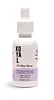
This hydrating serum is formulated around Niacinamide and Acetyl Glucosamine to hydrate skin and brighten dull-looking skin.
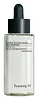
This calming serum is formulated around Allantoin and Madecassoside to calm redness and strengthen the skin barrier.


What's inside
What's inside
 Key Ingredients
Benefits
Concerns
Ingredients Side-by-side
Water
Skin ConditioningButylene Glycol
Humectant

Glycerin
Humectant
Glycereth-26
Humectant
Dipropylene Glycol
Humectant1,2-Hexanediol
Skin Conditioning
Methyl Gluceth-20
Humectant
Niacinamide
Smoothing









PEG-75
HumectantHydroxyethyl Acrylate/Sodium Acryloyldimethyl Taurate Copolymer
Emulsion StabilisingAcrylates/C10-30 Alkyl Acrylate Crosspolymer
Emulsion StabilisingCellulose Gum
Emulsion StabilisingArginine
Masking
Betaine
Humectant
Hydroxyethylcellulose
Emulsion StabilisingAdenosine
Skin Conditioning
Sodium Phytate
ChelatingPolysorbate 60
Emulsifying

Sorbitan Isostearate
Emulsifying
Acetyl Glucosamine
Skin Conditioning
Sodium Hyaluronate
Humectant
Hippophae Rhamnoides Fruit Extract
Skin Conditioning
Oenothera Biennis Flower Extract
AstringentCamellia Japonica Flower Extract
EmollientRubus Fruticosus Fruit Extract
AstringentSambucus Nigra Fruit Extract
AstringentVaccinium Macrocarpon Fruit Extract
AstringentEthyl Hexanediol
SolventDisodium Phosphate
BufferingAureobasidium Pullulans Ferment
Skin ConditioningSodium Phosphate
BufferingWater, Butylene Glycol, Glycerin, Glycereth-26, Dipropylene Glycol, 1,2-Hexanediol, Methyl Gluceth-20, Niacinamide, PEG-75, Hydroxyethyl Acrylate/Sodium Acryloyldimethyl Taurate Copolymer, Acrylates/C10-30 Alkyl Acrylate Crosspolymer, Cellulose Gum, Arginine, Betaine, Hydroxyethylcellulose, Adenosine, Sodium Phytate, Polysorbate 60, Sorbitan Isostearate, Acetyl Glucosamine, Sodium Hyaluronate, Hippophae Rhamnoides Fruit Extract, Oenothera Biennis Flower Extract, Camellia Japonica Flower Extract, Rubus Fruticosus Fruit Extract, Sambucus Nigra Fruit Extract, Vaccinium Macrocarpon Fruit Extract, Ethyl Hexanediol, Disodium Phosphate, Aureobasidium Pullulans Ferment, Sodium Phosphate
Water
Skin ConditioningGlycerin
Humectant
Methylpropanediol
SolventTrehalose
Humectant
Betaine
Humectant
Allantoin
Skin Conditioning
Lonicera Japonica Flower Extract
Skin ConditioningMelaleuca Alternifolia Leaf Extract
Perfuming
Salvia Officinalis Leaf Extract
CleansingCamellia Japonica Flower Extract
EmollientSodium Hyaluronate
Humectant
Hydrolyzed Hyaluronic Acid
Humectant
Hydroxypropyltrimonium Hyaluronate
Sodium Hyaluronate Crosspolymer
Humectant
Sodium Acetylated Hyaluronate
Humectant
Acetyl Hexapeptide-8
Humectant
Palmitoyl Tripeptide-5
Skin Conditioning
Madecassoside
Antioxidant
Madecassic Acid
Skin Conditioning
Asiaticoside
Antioxidant
Asiatic Acid
Skin Conditioning
Centella Asiatica Extract
Cleansing
Centella Asiatica Leaf Extract
Skin Conditioning
Ceramide NP
Skin Conditioning
Dipotassium Glycyrrhizate
Humectant
Arginine
Masking
Lecithin
Emollient
Citric Acid
Buffering
Gluconolactone
Chelating
Butylene Glycol
Humectant
Caprylyl Glycol
Emollient
Hydroxyacetophenone
Antioxidant
Pentylene Glycol
Skin Conditioning
Dipropylene Glycol
HumectantCaprylic/Capric Triglyceride
Masking
Ethylhexyl Palmitate
Emollient


Cetyl Ethylhexanoate
EmollientPolyglyceryl-10 Myristate
Skin Conditioning
Acrylates/C10-30 Alkyl Acrylate Crosspolymer
Emulsion StabilisingTromethamine
BufferingXanthan Gum
EmulsifyingDisodium EDTA
Chelating1,2-Hexanediol
Skin Conditioning
Water, Glycerin, Methylpropanediol, Trehalose, Betaine, Allantoin, Lonicera Japonica Flower Extract, Melaleuca Alternifolia Leaf Extract, Salvia Officinalis Leaf Extract, Camellia Japonica Flower Extract, Sodium Hyaluronate, Hydrolyzed Hyaluronic Acid, Hydroxypropyltrimonium Hyaluronate, Sodium Hyaluronate Crosspolymer, Sodium Acetylated Hyaluronate, Acetyl Hexapeptide-8, Palmitoyl Tripeptide-5, Madecassoside, Madecassic Acid, Asiaticoside, Asiatic Acid, Centella Asiatica Extract, Centella Asiatica Leaf Extract, Ceramide NP, Dipotassium Glycyrrhizate, Arginine, Lecithin, Citric Acid, Gluconolactone, Butylene Glycol, Caprylyl Glycol, Hydroxyacetophenone, Pentylene Glycol, Dipropylene Glycol, Caprylic/Capric Triglyceride, Ethylhexyl Palmitate, Cetyl Ethylhexanoate, Polyglyceryl-10 Myristate, Acrylates/C10-30 Alkyl Acrylate Crosspolymer, Tromethamine, Xanthan Gum, Disodium EDTA, 1,2-Hexanediol
Reviews
Ingredients Explained
These ingredients are found in both products.
Ingredients higher up in an ingredient list are typically present in a larger amount.
1,2-Hexanediol is a synthetic liquid and another multi-functional powerhouse.
It is a:
- Humectant, drawing moisture into the skin
- Emollient, helping to soften skin
- Solvent, dispersing and stabilizing formulas
- Preservative booster, enhancing the antimicrobial activity of other preservatives
Acrylates/C10-30 Alkyl Acrylate Crosspolymer is a synthetic polymer. It is used to thicken, emulsify, and improve the texture of products.
As an emulsifier, it helps stabilize oil-in-water emulsions to give products an elegant feel when applied.
It can also form a thin protective film on skin. One study found that a formula using this polymer helped slow down how quickly other ingredients (like DEET) were absorbed through skin.
A 2024 study of over 1,300 patients confirmed that sensitization to this ingredient is rare. It is also non-mutagenic and has a clean track record.
Learn more about Acrylates/C10-30 Alkyl Acrylate CrosspolymerArginine is a semi-essential amino acid. This just means our bodies can product a bit on its own, but sometimes needs a little boost from food sources.
It is a part of your skin's natural moisturizing factor (NMF), or the water-loving molecules in your outermost layer of skin (stratum corneum) that keeps everything hydrated and happy.
Here's an interesting thing about Arginine: your skin converts it into urea through the Krebs-Henseleit urea cycle. Urea is one of the most effective humectants your skin naturally produces.
A clinical study showed applying 2.5% arginine hydrochloride to atopic dermatitis skin showed significant urea levels in the stratum corneum and improved moisture in just four weeks.
Arginine is also a precursor to nitric oxide; nitric oxide improves microcirculation and supports wound healing and collagen synthesis.
One study found that an amino acid complex containing Arginine reduced skin irritation, improved hydration, and accelerated skin repair in clinical / in-vivo studies.
Arginine itself is an amino acid and not a fatty acid, oil, or ester. On its own, it's not a direct food source for Malassezia, or the yeast that causes fungal acne.
Learn more about ArginineBetaine is a humectant. Like hyaluronic acid, it helps attract and retain moisture in the skin. It’s known for being gentle and for helping the skin maintain balanced hydration.
Betaine is mainly used to improve hydration and support calmer skin. It helps skin cells regulate water balance because it functions as an osmolyte.
Some studies suggest betaine may support making skin tone more even.
Fun fact: Betaine naturally exists in the skin and the body. In cosmetic products, it can be either plant-derived (most commonly from sugar beets) or synthetically produced for consistency and stability.
Betaine is also known as trimethylglycine.
Learn more about BetaineButylene Glycol (or BG) is used within cosmetic products for a few different reasons:
Overall, Butylene Glycol is a safe and well-rounded ingredient that works well with other ingredients.
Though this ingredient works well with most skin types, some people with sensitive skin may experience a reaction such as allergic rashes, closed comedones, or itchiness.
Learn more about Butylene GlycolCamellia Japonica Flower Extract comes from the Japanese Camellia plant (a cousin of the green tea plant). This plant is native to East Asia and known as "Tsubaki" in Japanese.
It's a flower extract packed with flavonoids and phenolic acids that give it most of its skincare value. In lab tests on human skin cells, the ethanol extract of the flower mopped up free radicals and boosted the skin's own antioxidant enzymes.
A separate study found the flower extract had solid antioxidant activity and reduced the reactive oxygen species that urban air pollution triggers in skin cells.
Newer work also points at anti-aging and calming effects:
One 2025 paper tied the extract and its component hyperoside to collagen III and elastin production plus better skin-barrier protein expression. A mouse study on eczema-like skin found four weeks of topical camellia extract reduced inflammation and itch-related markers.
Just know that most of these studies are cell-culture and animal work and not human trials. For now, it's best to treat it as a nice supporting antioxidant rather than a headline active.
At this time, there's no published regulatory use-level for this specific ingredient; suppliers usually sell it as a water/glycerin-based extract used in the low single-digit percent range.
There's no published contact-allergy case reports for this ingredient but as with any botanical, a patch test is sensible if you react to plant extracts generally.
Learn more about Camellia Japonica Flower ExtractDipropylene Glycol is a synthetically created humectant, stabilizer, and solvent.
This ingredient helps:
Dipropylene glycol is technically an alcohol, but it belongs to the glycol family (often considered part of the ‘good’ alcohols). This means it is hydrating and gentle on skin unlike drying solvent alcohols like denatured alcohol.
As a masking agent, Dipropylene Glycol can be used to cover the smell of other ingredients. However, it does not have a scent.
Studies show Dipropylene Glycol is considered safe to use in skincare.
Learn more about Dipropylene GlycolGlycerin (or glycerol) is a compound naturally found in your skin. It's a powerhouse humectant that pulls water into the stratum corneum.
Topically, glycerin does several things at once:
Your skin makes glycerin on its own (mostly from sebaceous oil breakdown) and shuttles it to your outermost layer of skin, or your epidermis, via aquaporin-3.
Aquaporin-3 is a transporter that is essential for normal skin hydration, elasticity, and repair. Interestingly, mice lacking in AQP3 have dry and less elastic skin that can be fully corrected with glycerin.
This ingredient is non-irritating, plays well with almost every ingredient, and works across all skin types. Typical use is anywhere between 3-10% but can go up to 79% in some leave-on products.
Just know very high concentrations (>40%) can feel tacky in low humidity.
Glycerin is the name for this ingredient in American English. British English uses Glycerol/Glycerine.
Learn more about GlycerinSodium Hyaluronate is the salt form of hyaluronic acid. It is a long sugar chain that is naturally found in your skin, joints, and connective tissue that maintains hydration and elasticity.
In skincare, it works as a humectant. It pulls water from the environment and deeper layers of skin and binds it to the surface.
Interestingly, the size of the molecule affects its behavior:
Some clinical evidence links low molecular weight versions to improved wrinkle depth, elasticity, anti-inflammatory effects, and barrier repair.
Many serums use a blend of both weights so you can get surface hydration plus longer-lasting and deeper effects.
You'll typically see concentrations between 0.1-2% for this ingredient.
Learn more about Sodium HyaluronateWater. It's the most common cosmetic ingredient of all. You'll usually see it at the top of ingredient lists, meaning that it makes up the largest part of the product.
So why is it so popular? Water most often acts as a solvent - this means that it helps dissolve other ingredients into the formulation.
You'll also recognize water as that liquid we all need to stay alive. If you see this, drink a glass of water. Remember to stay hydrated!
Learn more about Water

