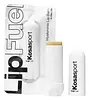
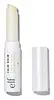
Kosas LipFuel Hyaluronic Acid Lip Balm Versus e.l.f. cosmetics Calm Balm + Hemp-Derived Cannabis Sativa Seed Oil
This barrier-repair lip moisturizer is formulated around Ricinus Communis Seed Oil and Simmondsia Chinensis Seed Oil to strengthen the lip barrier and hydrate lips.
This lip moisturizer is formulated around Limnanthes Alba Seed Oil and Simmondsia Chinensis Seed Oil to hydrate lips.

What's inside
What's inside
 Key Ingredients
Benefits
Concerns
Ingredients Side-by-side
Ricinus Communis Seed Oil
Masking




Caprylic/Capric Triglyceride
Masking

Euphorbia Cerifera Cera
Astringent
Bis-Diglyceryl Polyacyladipate-2
Emollient
Mica
Cosmetic ColorantSilica
Abrasive


Octyldodecanol
Emollient
Lanolin Oil
Emollient

Jojoba Esters
Emollient
Pentaerythrityl Tetraethylhexanoate
Emollient
Helianthus Annuus Seed Cera
Emollient
Beeswax
Emulsion Stabilising
Copernicia Cerifera Wax
Camellia Oleifera Seed Oil
Skin Conditioning
Theobroma Cacao Seed Butter
Emollient
Vitis Vinifera Seed Oil
Emollient
Acacia Decurrens Flower Cera
Emollient
Butyrospermum Parkii Butter
Skin Conditioning
Caprylyl Glycol
Emollient
Carthamus Tinctorius Seed Oil
Masking
Ethylhexyl Palmitate
Emollient
Ethylhexylglycerin
Skin ConditioningGlucomannan
Skin ConditioningHelianthus Annuus Extract
Emollient
Mangifera Indica Seed Butter
Skin Conditioning
Mentha Arvensis Leaf Oil
Masking
Oryza Sativa Bran Extract
Skin Conditioning
Persea Gratissima Oil
Skin Conditioning
Polyglycerin-3
Humectant
Rosa Canina Fruit Oil
Emollient
Rosmarinus Officinalis Leaf Extract
AntimicrobialSimmondsia Chinensis Seed Oil
Emollient
Sodium Hyaluronate
Humectant

Tocopherol
Antioxidant



Tocopheryl Acetate
Antioxidant
Trihydroxystearin
Skin Conditioning
Limonene
Perfuming
CI 77891
Cosmetic ColorantCI 15850
Cosmetic ColorantCI 77491
Cosmetic ColorantCI 77492
Cosmetic ColorantCI 77499
Cosmetic ColorantCI 73360
Cosmetic ColorantRicinus Communis Seed Oil, Caprylic/Capric Triglyceride, Euphorbia Cerifera Cera, Bis-Diglyceryl Polyacyladipate-2, Mica, Silica, Octyldodecanol, Lanolin Oil, Jojoba Esters, Pentaerythrityl Tetraethylhexanoate, Helianthus Annuus Seed Cera, Beeswax, Copernicia Cerifera Wax, Camellia Oleifera Seed Oil, Theobroma Cacao Seed Butter, Vitis Vinifera Seed Oil, Acacia Decurrens Flower Cera, Butyrospermum Parkii Butter, Caprylyl Glycol, Carthamus Tinctorius Seed Oil, Ethylhexyl Palmitate, Ethylhexylglycerin, Glucomannan, Helianthus Annuus Extract, Mangifera Indica Seed Butter, Mentha Arvensis Leaf Oil, Oryza Sativa Bran Extract, Persea Gratissima Oil, Polyglycerin-3, Rosa Canina Fruit Oil, Rosmarinus Officinalis Leaf Extract, Simmondsia Chinensis Seed Oil, Sodium Hyaluronate, Tocopherol, Tocopheryl Acetate, Trihydroxystearin, Limonene, CI 77891, CI 15850, CI 77491, CI 77492, CI 77499, CI 73360
Pentaerythrityl Tetraethylhexanoate
Emollient
Bis-Diglyceryl Polyacyladipate-2
Emollient
Dipentaerythrityl Hexa C5-9 Acid Esters
Skin ConditioningPolyethylene
Abrasive
Limnanthes Alba Seed Oil
Skin Conditioning
Simmondsia Chinensis Seed Oil
Emollient
Cannabis Sativa Seed Oil
Emollient
Ceresin
Emulsion StabilisingDaucus Carota Sativa Seed Oil
Emollient
Zea Mays Oil
Emulsifying
Helianthus Annuus Seed Oil
Emollient
Ascorbyl Palmitate
Antioxidant
Daucus Carota Sativa Root Extract
Skin Conditioning
Caprylyl Glycol
Emollient
Phenoxyethanol
Preservative
BHT
Antioxidant
Pentaerythrityl Tetraethylhexanoate, Bis-Diglyceryl Polyacyladipate-2, Dipentaerythrityl Hexa C5-9 Acid Esters, Polyethylene, Limnanthes Alba Seed Oil, Simmondsia Chinensis Seed Oil, Cannabis Sativa Seed Oil, Ceresin, Daucus Carota Sativa Seed Oil, Zea Mays Oil, Helianthus Annuus Seed Oil, Ascorbyl Palmitate, Daucus Carota Sativa Root Extract, Caprylyl Glycol, Phenoxyethanol, BHT
Reviews
Alternatives
Ingredients Explained
These ingredients are found in both products.
Ingredients higher up in an ingredient list are typically present in a larger amount.
Bis-Diglyceryl Polyacyladipate-2 is a synthetic emollient that works as a lanolin substitute.
This ingredient is a great vegan option for those avoiding animal-derived ingredients.
It mostly stays on the surface of skin where it helps hydrate due to its large molecular size and low water solubility.
Due to it being derived from fatty acids, this ingredient may not be Malassezia or fungal acne safe.
Learn more about Bis-Diglyceryl Polyacyladipate-2Caprylyl Glycol is a humectant, skin conditioner, emollient, and preservative booster derived from either caprylic acid or synthetically created.
Typical use levels vary from 0.3-1% as a preservative booster and go up to 2% to condition skin.
Because it is not a free-fatty acid, this ingredient is fungal acne safe (there's nothing for Malassezia to feed on).
Learn more about Caprylyl GlycolPentaerythrityl Tetraethylhexanoate is an emollient that helps make your skin smooth and hydrated. It specializes in creating a non-oily and "wet" feeling on skin.
This ingredient comes from isostearic acid, a saturated fatty acid. It is a synthetic ingredient.
Jojoba oil is one of the most well-studied plant-derived ingredients in cosmetics. It is an emollient with a special structure.
Because it is made up of 97-98% wax esters, it closely mirrors the linear monoesters found in human sebum. This makes it skin compatible, non-greasy, and lightweight.
Unlike other plant oils, jojoba wax doesn't easily penetrate skin. It mostly works in the uppermost layers as an emollient. This just means it forms a light barrier on the skin to help retain moisture.
Formulations with jojoba esters up to 90% reduced transepidermal water loss (TEWL) and increased barrier recovery by 81% (outperforming bisabolol at 47%).
Besides barrier support, the science also suggests jojoba to have anti-inflammatory effects and potential applications for skin infections, aging, and wound healing.
Fun fact: Indigenous cultures have used jojoba as a moisturizer and to help treat burns for centuries.
Fungal acne: The Malassezia yeast is known to metabolize fatty acids in the C11-24 range and jojoba's dominant fatty acid components fall into this range. This ingredient may not be fungal acne safe.
Learn more about Simmondsia Chinensis Seed Oil

