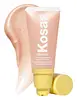
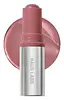
Kosas Glow I.V. Vitamin-Infused Skin Enhancer Versus Haus Labs By Lady Gaga Color Fuse Glassy Blush Balm Stick

What's inside
What's inside
 Key Ingredients
Benefits
Concerns
Ingredients Side-by-side
Water
Skin ConditioningUndecane
EmollientOctyldodecanol
Emollient
C13-15 Alkane
SolventCalcium Aluminum Borosilicate
Synthetic Fluorphlogopite
Glycerin
Humectant


Polyglyceryl-2 Dipolyhydroxystearate
Skin Conditioning

Polyglyceryl-3 Polyricinoleate
Emulsifying
Tridecane
Perfuming

Mica
Cosmetic ColorantGalactoarabinan

Polyglyceryl-3 Diisostearate
Emulsifying


Disteardimonium Hectorite
StabilisingOryza Sativa Bran Extract
Skin Conditioning
Jojoba Esters
Emollient
Tocopherol
Antioxidant




Persea Gratissima Oil
Skin Conditioning
Rosa Canina Fruit Oil
Emollient
Squalane
Emollient
Propanediol
Solvent
Bioflavonoids
Skin ConditioningFructooligosaccharides
Humectant
Glycoproteins
Skin Conditioning
Helianthus Annuus Extract
Emollient
Rosmarinus Officinalis Leaf Extract
AntimicrobialChondrus Crispus Extract
Skin Conditioning
Gigartina Stellata Extract
Skin ProtectingGlutathione
Magnolol
Antioxidant
Honokiol
Antioxidant
Polyglyceryl-6 Laurate
Emulsifying
Hydrogenated Lecithin
Emulsifying
Polyglyceryl-10 Oleate
Skin Conditioning
Sorbitan Palmitate
Emulsifying
Zea Mays Oil
Emulsifying
Phytonadione Epoxide
AstringentCholecalciferol
Cyamopsis Tetragonoloba Gum
Emulsion StabilisingXanthan Gum
EmulsifyingPhytic Acid

Sodium Chloride
MaskingSodium Gluconate
Skin ConditioningPentylene Glycol
Skin Conditioning
Phenethyl Alcohol
MaskingCI 77163
Cosmetic Colorant
Tin Oxide
Abrasive
CI 77891
Cosmetic ColorantCI 77492
Cosmetic ColorantCI 77491
Cosmetic ColorantCI 77499
Cosmetic ColorantWater, Undecane, Octyldodecanol, C13-15 Alkane, Calcium Aluminum Borosilicate, Synthetic Fluorphlogopite, Glycerin, Polyglyceryl-2 Dipolyhydroxystearate, Polyglyceryl-3 Polyricinoleate, Tridecane, Mica, Galactoarabinan, Polyglyceryl-3 Diisostearate, Disteardimonium Hectorite, Oryza Sativa Bran Extract, Jojoba Esters, Tocopherol, Persea Gratissima Oil, Rosa Canina Fruit Oil, Squalane, Propanediol, Bioflavonoids, Fructooligosaccharides, Glycoproteins, Helianthus Annuus Extract, Rosmarinus Officinalis Leaf Extract, Chondrus Crispus Extract, Gigartina Stellata Extract, Glutathione, Magnolol, Honokiol, Polyglyceryl-6 Laurate, Hydrogenated Lecithin, Polyglyceryl-10 Oleate, Sorbitan Palmitate, Zea Mays Oil, Phytonadione Epoxide, Cholecalciferol, Cyamopsis Tetragonoloba Gum, Xanthan Gum, Phytic Acid, Sodium Chloride, Sodium Gluconate, Pentylene Glycol, Phenethyl Alcohol, CI 77163, Tin Oxide, CI 77891, CI 77492, CI 77491, CI 77499
Diisostearyl Malate
EmollientOctyldodecanol
Emollient
Polyglyceryl-2 Triisostearate
Emulsifying
Synthetic Wax
Abrasive
Caprylic/Capric Triglyceride
Masking
Propylene Glycol Dibenzoate
Skin ConditioningPolybutene
Bis-Behenyl/Isostearyl/Phytosteryl Dimer Dilinoleyl Dimer Dilinoleate
EmollientEuphorbia Cerifera Cera
Astringent
Polyglyceryl-6 Polyricinoleate
Emulsifying
Coco-Caprylate/Caprate
Emollient
Arnica Montana Flower Extract
Masking
Squalane
Emollient
Pseudozyma Epicola/Camellia Sinensis Seed Oil Ferment Extract Filtrate
Humectant
Pseudozyma Epicola/Apricot Kernel Oil/Olive Fruit Oil/Sweet Almond Oil/Sunflower Seed Oil/Licorice Root Extract Ferment Extract Filtrate
Pseudozyma Epicola/Apricot Kernel Oil/Olive Fruit Oil/Sunflower Seed Oil/Sweet Almond Oil/(Angelica Gigas/Lithospermum Erythrorhizon) Root Extract Ferment Extract Filtrate
Pseudozyma Epicola/Sunflower Seed Oil Ferment Extract Filtrate
Emulsion Stabilising
Tocopheryl Acetate
Antioxidant
Lycium Barbarum Fruit Extract
Astringent
Copernicia Cerifera Cera
Emollient
Butyrospermum Parkii Butter
Skin Conditioning
Caprylic/Capric/Succinic Triglyceride
EmollientCastor Oil/Ipdi Copolymer
Propylene Carbonate
SolventSorbitan Sesquioleate
Emulsifying
Stearalkonium Hectorite
Gel Forming1,2-Hexanediol
Skin Conditioning
CI 77492
Cosmetic ColorantCI 77891
Cosmetic ColorantCI 15985
Cosmetic ColorantCI 15850
Cosmetic ColorantCI 42090
Cosmetic ColorantDiisostearyl Malate, Octyldodecanol, Polyglyceryl-2 Triisostearate, Synthetic Wax, Caprylic/Capric Triglyceride, Propylene Glycol Dibenzoate, Polybutene, Bis-Behenyl/Isostearyl/Phytosteryl Dimer Dilinoleyl Dimer Dilinoleate, Euphorbia Cerifera Cera, Polyglyceryl-6 Polyricinoleate, Coco-Caprylate/Caprate, Arnica Montana Flower Extract, Squalane, Pseudozyma Epicola/Camellia Sinensis Seed Oil Ferment Extract Filtrate, Pseudozyma Epicola/Apricot Kernel Oil/Olive Fruit Oil/Sweet Almond Oil/Sunflower Seed Oil/Licorice Root Extract Ferment Extract Filtrate, Pseudozyma Epicola/Apricot Kernel Oil/Olive Fruit Oil/Sunflower Seed Oil/Sweet Almond Oil/(Angelica Gigas/Lithospermum Erythrorhizon) Root Extract Ferment Extract Filtrate, Pseudozyma Epicola/Sunflower Seed Oil Ferment Extract Filtrate, Tocopheryl Acetate, Lycium Barbarum Fruit Extract, Copernicia Cerifera Cera, Butyrospermum Parkii Butter, Caprylic/Capric/Succinic Triglyceride, Castor Oil/Ipdi Copolymer, Propylene Carbonate, Sorbitan Sesquioleate, Stearalkonium Hectorite, 1,2-Hexanediol, CI 77492, CI 77891, CI 15985, CI 15850, CI 42090
Reviews
Alternatives
Ingredients Explained
These ingredients are found in both products.
Ingredients higher up in an ingredient list are typically present in a larger amount.
CI 77492 is also hydrated iron III oxide. It's sole purpose is to give a yellow hue to products.
Iron III oxides are classified as inorganic chemicals for coloring.
Synthetically created CI 77492 is considered safer than those naturally found. This is because the synthetically created version may contain less impurities. Iron oxides are generally non-toxic and non-allergenic.
Learn more about CI 77492Ci 77891 is a white pigment from Titanium dioxide. It is naturally found in minerals such as rutile and ilmenite.
It's main function is to add a white color to cosmetics. It can also be mixed with other colors to create different shades.
Ci 77891 is commonly found in sunscreens due to its ability to block UV rays.
Learn more about CI 77891Octyldodecanol is a fatty alcohol sourced from plant oils like coconut or palm (or made synthetically).
It is:
You'll likely see this in many BHA products because this is the go-to solvent for salicylic acid.
This ingredient is typically used at levels between 2-20%.
Regarding fungal acne:
In 2019, this ingredient was tested against multiple Malassezia species (the yeast that causes fungal acne) and showed no growth.
Squalane is the hydrogenated and shelf-stable form of squalene (a lipid that naturally occurs in human sebum).
It is an emollient and skin conditioning agent that is able to integrate seamlessly into the skin's lipid barrier without clogging pores.
This is due to how structurally similar it is to what your skin already produces.
Though it is mostly an emollient that helps soften and hydrate skin, it also has some humectant and occlusive action. Humectants help the skin retain moisture while occlusives seal it in, making squalane a triple-threat moisturizer.
Research shows it has antioxidant capabilities that help protect against stressors like UV exposure, specifically UVA induced oxidative stress. This study also found that it supports collagen biosynthesis in human dermal fibroblasts.
No clinical study has reported significant adverse effects and irritation reactions are very rare from this ingredient (even at 100% concentration).
Overall, it's a fantastic ingredient for hydration and is suitable for all skin types.
This depends on the source. Squalane can be derived from both plants and animals. Most squalane used in skincare comes from plants.
Please note: the source of squalane is only known if disclosed by the brand. We recommend reaching out to the brand if you have any questions about their squalane.
Read more about squalene with an "e".
Though squalane is often called an oil, it’s technically not one. It is a hydrocarbon, meaning it is only made of carbon and hydrogen. True oils are triglycerides and made of fatty acids and glycerol.
The term “oil-free” isn’t regulated so companies can define it however they want. Some exclude all oils, while others just avoid mineral oil or comedogenic oils.
Squalane has a comedogenic rating of 1 from the original 1972 study that tested raw ingredients under occlusion on rabbit ears. This system is not standardized or peer-reviewed, and using the raw ingredients is very different from how diluted cosmetic formulations are used on human skin.
A comedogenic rating of 1 means it is "unlikely to clog pores" according to the original rating system.
The overall formula of a product matters more than the individual ingredients on whether or not it will cause clogged pores.
Learn more about Squalane

