
What's inside
What's inside
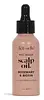 Key Ingredients
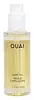
No key ingredients
Benefits
Concerns
Ingredients Side-by-side

Cyclopentasiloxane
Emollient
Dimethicone
Emollient
Prunus Amygdalus Dulcis Oil
Skin Conditioning



Isododecane
EmollientHydrogenated Ethylhexyl Olivate
EmollientC12-15 Alkyl Benzoate
AntimicrobialPhenyl Trimethicone
Skin Conditioning
Simmondsia Chinensis Seed Oil
Emollient
Dimethiconol
Emollient
Jojoba Esters
Emollient
Butyrospermum Parkii Butter
Skin Conditioning


Helianthus Annuus Seed Oil
Emollient
Oryza Sativa Bran Oil
Emollient

Adansonia Digitata Seed Oil
Emollient
Borago Officinalis Seed Oil
Emollient
Crambe Abyssinica Seed Oil
Skin Conditioning
Glycine Soja Oil
Emollient
Passiflora Edulis Seed Oil
Emollient
Moringa Oleifera Seed Oil
Emollient
Coconut Alkanes
Emollient
Kaempferia Galanga Root Extract
Skin ConditioningHelianthus Annuus Extract
Emollient
Amaranthus Caudatus Seed Extract
Skin Conditioning
Oryza Sativa Bran Extract
Skin Conditioning
Daucus Carota Sativa Root Extract
Skin Conditioning
Rosmarinus Officinalis Leaf Extract
AntimicrobialTocopherol
Antioxidant



Coco-Caprylate/Caprate
Emollient
Ethylhexyl Methoxycinnamate
UV Absorber


Polysilicone-15
UV Filter
Diisostearyl Malate
EmollientHydrogenated Olive Oil Unsaponifiables
Emollient
Beta-Carotene
Skin ConditioningBHT
Antioxidant
Citric Acid
Buffering
Benzoic Acid
Masking
Phenoxyethanol
Preservative
Parfum
Masking

Benzyl Benzoate
Antimicrobial
Citronellol
Perfuming
Benzyl Salicylate
Perfuming
Linalool
Perfuming
Hydroxycitronellal
Perfuming
Hexyl Cinnamal
Perfuming
Geraniol
Perfuming
Cyclopentasiloxane, Dimethicone, Prunus Amygdalus Dulcis Oil, Isododecane, Hydrogenated Ethylhexyl Olivate, C12-15 Alkyl Benzoate, Phenyl Trimethicone, Simmondsia Chinensis Seed Oil, Dimethiconol, Jojoba Esters, Butyrospermum Parkii Butter, Helianthus Annuus Seed Oil, Oryza Sativa Bran Oil, Adansonia Digitata Seed Oil, Borago Officinalis Seed Oil, Crambe Abyssinica Seed Oil, Glycine Soja Oil, Passiflora Edulis Seed Oil, Moringa Oleifera Seed Oil, Coconut Alkanes, Kaempferia Galanga Root Extract, Helianthus Annuus Extract, Amaranthus Caudatus Seed Extract, Oryza Sativa Bran Extract, Daucus Carota Sativa Root Extract, Rosmarinus Officinalis Leaf Extract, Tocopherol, Coco-Caprylate/Caprate, Ethylhexyl Methoxycinnamate, Polysilicone-15, Diisostearyl Malate, Hydrogenated Olive Oil Unsaponifiables, Beta-Carotene, BHT, Citric Acid, Benzoic Acid, Phenoxyethanol, Parfum, Benzyl Benzoate, Citronellol, Benzyl Salicylate, Linalool, Hydroxycitronellal, Hexyl Cinnamal, Geraniol
Reviews
Ingredients Explained
These ingredients are found in both products.
Ingredients higher up in an ingredient list are typically present in a larger amount.
Helianthus Annuus Seed Oil is a plant oil derived from the seeds of a sunflower.
It is rich in fatty acids, primarily linoleic acid and oleic acid. This gives it emollient and skin conditioning properties.
The reason this ingredient is so effective is because it forms a thin film on the skin that reduces transepidermal water loss (TEWL) while supplying linoleic acid to the stratum corneum to improve barrier strength.
The high linoleic acid content is particularly noteworthy for acne-prone skin.
Research suggests that acne-prone skin tends to be deficient in linoleic acid in sebum. Topical application may help replenish this to support a healthier follicular environment and less comedone-promoting sebum.
One randomized study found sunflower seed oil preserved skin barrier integrity in adult volunteers with and without atopic dermatitis (outperforming olive oil).
This ingredient is well-studied, gentle, and an effective emollient suitable for most skin types.
On fungal acne: This ingredient may not be Fungal acne (Malassezia folliculitis) safe. This is because it contains fatty acids with carbon chain lengths in the C11-C24 range.
Learn more about Helianthus Annuus Seed OilParfum is a catch-all term for an ingredient or more that is used to give a scent to products.
Also called "fragrance", this ingredient can be a blend of hundreds of chemicals or plant oils. This means every product with "fragrance" or "parfum" in the ingredients list is a different mixture.
For instance, Habanolide is a proprietary trade name for a specific aroma chemical. When used as a fragrance ingredient in cosmetics, most aroma chemicals fall under the broad labeling category of “FRAGRANCE” or “PARFUM” according to EU and US regulations.
The term 'parfum' or 'fragrance' is not regulated in many countries. In many cases, it is up to the brand to define this term.
For instance, many brands choose to label themselves as "fragrance-free" because they are not using synthetic fragrances. However, their products may still contain ingredients such as essential oils that are considered a fragrance by INCI standards.
One example is Calendula flower extract. Calendula is an essential oil that still imparts a scent or 'fragrance'.
Depending on the blend, the ingredients in the mixture can cause allergies and sensitivities on the skin. Some ingredients that are known EU allergens include linalool and citronellol.
Parfum can also be used to mask or cover an unpleasant scent.
The bottom line is: not all fragrances/parfum/ingredients are created equally. If you are worried about fragrances, we recommend taking a closer look at an ingredient. And of course, we always recommend speaking with a professional.
Learn more about ParfumJojoba oil is one of the most well-studied plant-derived ingredients in cosmetics. It is an emollient with a special structure.
Because it is made up of 97-98% wax esters, it closely mirrors the linear monoesters found in human sebum. This makes it skin compatible, non-greasy, and lightweight.
Unlike other plant oils, jojoba wax doesn't easily penetrate skin. It mostly works in the uppermost layers as an emollient. This just means it forms a light barrier on the skin to help retain moisture.
Formulations with jojoba esters up to 90% reduced transepidermal water loss (TEWL) and increased barrier recovery by 81% (outperforming bisabolol at 47%).
Besides barrier support, the science also suggests jojoba to have anti-inflammatory effects and potential applications for skin infections, aging, and wound healing.
Fun fact: Indigenous cultures have used jojoba as a moisturizer and to help treat burns for centuries.
Fungal acne: The Malassezia yeast is known to metabolize fatty acids in the C11-24 range and jojoba's dominant fatty acid components fall into this range. This ingredient may not be fungal acne safe.
Learn more about Simmondsia Chinensis Seed Oil

