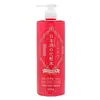
This hydrating toner is formulated around Ceramide NP and Niacinamide to hydrate skin and strengthen the skin barrier.
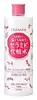
This hydrating treatment is formulated around Ceramide AP and Ceramide NP to hydrate skin and strengthen the skin barrier.

What's inside
What's inside
 Key Ingredients
Benefits
Concerns
Ingredients Side-by-side
Water
Skin ConditioningGlycerin
Humectant


Butylene Glycol
Humectant
Dipropylene Glycol
HumectantRice Ferment Lees
HumectantGlutamic Acid
Humectant
Arginine
Masking
Leucine
Skin ConditioningCeramide NP
Skin Conditioning


Ceramide AP
Skin Conditioning
Niacinamide
Smoothing






Placental Extract
Arbutin
Antioxidant

Dipotassium Glycyrrhizate
Humectant
Whey Protein
Skin ConditioningTriethylhexanoin
MaskingEthylhexylglycerin
Skin ConditioningMethyl Gluceth-10
EmulsifyingPolysorbate 20
Emulsifying

Polysorbate 80
Emulsifying
Acrylates/C10-30 Alkyl Acrylate Crosspolymer
Emulsion StabilisingPEG-60 Hydrogenated Castor Oil
Emulsifying
Isoceteth-20
EmulsifyingHydroxyethylcellulose
Emulsion StabilisingSodium Acrylate/Sodium Acryloyldimethyl Taurate Copolymer
Emulsion StabilisingSodium Hydroxide
BufferingPhenoxyethanol
Preservative
Parfum
Masking



Water, Glycerin, Butylene Glycol, Dipropylene Glycol, Rice Ferment Lees, Glutamic Acid, Arginine, Leucine, Ceramide NP, Ceramide AP, Niacinamide, Placental Extract, Arbutin, Dipotassium Glycyrrhizate, Whey Protein, Triethylhexanoin, Ethylhexylglycerin, Methyl Gluceth-10, Polysorbate 20, Polysorbate 80, Acrylates/C10-30 Alkyl Acrylate Crosspolymer, PEG-60 Hydrogenated Castor Oil, Isoceteth-20, Hydroxyethylcellulose, Sodium Acrylate/Sodium Acryloyldimethyl Taurate Copolymer, Sodium Hydroxide, Phenoxyethanol, Parfum
Water
Skin ConditioningGlycerin
Humectant
Butylene Glycol
Humectant
Coix Lacryma-Jobi Ma-Yuen Seed Extract
Skin ConditioningCeramide AP
Skin Conditioning
Ceramide NP
Skin Conditioning
Ceramide EOP
Skin Conditioning
Citrus Junos Fruit Extract
Skin ConditioningPhytosphingosine
Skin Conditioning
Sodium Hyaluronate
Humectant
Sodium Acetylated Hyaluronate
Humectant
Hydrolyzed Hyaluronic Acid
Humectant
Succinoyl Atelocollagen
Skin Conditioning
Glycine Max Seed Extract
Skin ConditioningGlutamic Acid
Humectant
Aloe Barbadensis Leaf Extract
Emollient
Citrus Limon Fruit Extract
Masking
Rosmarinus Officinalis Leaf Extract
AntimicrobialHumulus Lupulus Extract
AntimicrobialPinus Sylvestris Bark Extract
Perfuming
Equisetum Arvense Extract
AstringentSodium PCA
Humectant
Serine
Masking
Lysine
Skin ConditioningGlycine
Buffering
Alanine
Masking
Arginine
Masking
Threonine
Proline
Skin Conditioning
Cholesterol
Emollient
Betaine
Humectant
Allantoin
Skin Conditioning
Sorbitol
Humectant
Disodium EDTA
ChelatingXanthan Gum
EmulsifyingSodium Lauroyl Lactylate
EmulsifyingCarbomer
Emulsion StabilisingPolystyrene
Sodium Benzoate
Masking
Methylparaben
Preservative

Propylparaben
Preservative
Water, Glycerin, Butylene Glycol, Coix Lacryma-Jobi Ma-Yuen Seed Extract, Ceramide AP, Ceramide NP, Ceramide EOP, Citrus Junos Fruit Extract, Phytosphingosine, Sodium Hyaluronate, Sodium Acetylated Hyaluronate, Hydrolyzed Hyaluronic Acid, Succinoyl Atelocollagen, Glycine Max Seed Extract, Glutamic Acid, Aloe Barbadensis Leaf Extract, Citrus Limon Fruit Extract, Rosmarinus Officinalis Leaf Extract, Humulus Lupulus Extract, Pinus Sylvestris Bark Extract, Equisetum Arvense Extract, Sodium PCA, Serine, Lysine, Glycine, Alanine, Arginine, Threonine, Proline, Cholesterol, Betaine, Allantoin, Sorbitol, Disodium EDTA, Xanthan Gum, Sodium Lauroyl Lactylate, Carbomer, Polystyrene, Sodium Benzoate, Methylparaben, Propylparaben
Reviews
Ingredients Explained
These ingredients are found in both products.
Ingredients higher up in an ingredient list are typically present in a larger amount.
Arginine is a semi-essential amino acid. This just means our bodies can product a bit on its own, but sometimes needs a little boost from food sources.
It is a part of your skin's natural moisturizing factor (NMF), or the water-loving molecules in your outermost layer of skin (stratum corneum) that keeps everything hydrated and happy.
Here's an interesting thing about Arginine: your skin converts it into urea through the Krebs-Henseleit urea cycle. Urea is one of the most effective humectants your skin naturally produces.
A clinical study showed applying 2.5% arginine hydrochloride to atopic dermatitis skin showed significant urea levels in the stratum corneum and improved moisture in just four weeks.
Arginine is also a precursor to nitric oxide; nitric oxide improves microcirculation and supports wound healing and collagen synthesis.
One study found that an amino acid complex containing Arginine reduced skin irritation, improved hydration, and accelerated skin repair in clinical / in-vivo studies.
Arginine itself is an amino acid and not a fatty acid, oil, or ester. On its own, it's not a direct food source for Malassezia, or the yeast that causes fungal acne.
Learn more about ArginineButylene Glycol (or BG) is used within cosmetic products for a few different reasons:
Overall, Butylene Glycol is a safe and well-rounded ingredient that works well with other ingredients.
Though this ingredient works well with most skin types, some people with sensitive skin may experience a reaction such as allergic rashes, closed comedones, or itchiness.
Learn more about Butylene GlycolCeramide AP is is a skin-identical lipid that mimics what your skin already makes naturally. Ceramides help maintain epidermal integrity and barrier function.
You'll often see this ingredient paired with other ceramides (like ceramide NP), cholesterol, or fatty acids because this combination best mimics the natural lipid mix your skin already has.
The skin's ability to produce ceramides gets disrupted in skin conditions like eczema. This in turn weakens the skin barrier and applying ceramides topically has been shown to replenish what's been lost to restore barrier function.
Most of the studies with Ceramide AP test it as part of a multi-ceramide complex; studies reinforce ceramide AP's role in rebalancing ceramides in skin and improving skin hydration.
Learn more about Ceramide APCeramide NP (formerly known as Ceramide 3) is one of the skin's naturally occurring lipids.
Since ceramides are the major lipid components of the skin, they are crucial for maintaining skin barrier and hydration. Ceramide NP most closely mirrors the dominant kind in human skin amongst ceramide subtypes.
This ceramide works by slotting into gaps within the stratum corneum's lipid matrix to limit trans-epidermal water loss (TEWL) and shield the skin against external irritants.
A study with 312 patients found that using a ceramide-containing routine for 4 weeks reduced the severity of atopic dermatitis by over 61%.
Another clinical study in subjects aged 60 and older found that a ceramide body wash and moisturizer improved skin dryness and itchy skin in 15 days.
Overall, ceramides are considered non-irritating and safety tests have found little to no observable adverse effects from using this ingredient.
Ceramide NP is usually sourced from plants (like soybean or rice bran), or produced synthetically.
Learn more about Ceramide NPGlutamic Acid is an amino acid that is found in all living organisms. Our bodies use this to help nerve cells in the brain communicate with other cells.
In cosmetics, glutamic acid is a famous humectant. It draws water from the air to your skin, keeping your skin hydrated (like hyaluronic acid).
An in-vitro study from 2024 found glutamic acid to play a role in inhibiting inflammation and thus a potential skin-soothing ingredient.
Other studies show it to be have potential wound healing, skin barrier repair, and hair growth properties.
Glutamic acid has poor solubility in water and other solvents.
Learn more about Glutamic AcidGlycerin (or glycerol) is a compound naturally found in your skin. It's a powerhouse humectant that pulls water into the stratum corneum.
Topically, glycerin does several things at once:
Your skin makes glycerin on its own (mostly from sebaceous oil breakdown) and shuttles it to your outermost layer of skin, or your epidermis, via aquaporin-3.
Aquaporin-3 is a transporter that is essential for normal skin hydration, elasticity, and repair. Interestingly, mice lacking in AQP3 have dry and less elastic skin that can be fully corrected with glycerin.
This ingredient is non-irritating, plays well with almost every ingredient, and works across all skin types. Typical use is anywhere between 3-10% but can go up to 79% in some leave-on products.
Just know very high concentrations (>40%) can feel tacky in low humidity.
Glycerin is the name for this ingredient in American English. British English uses Glycerol/Glycerine.
Learn more about GlycerinWater. It's the most common cosmetic ingredient of all. You'll usually see it at the top of ingredient lists, meaning that it makes up the largest part of the product.
So why is it so popular? Water most often acts as a solvent - this means that it helps dissolve other ingredients into the formulation.
You'll also recognize water as that liquid we all need to stay alive. If you see this, drink a glass of water. Remember to stay hydrated!
Learn more about Water

