Kate Somerville ExfoliKate® Intensive Pore Exfoliating Treatment Versus Clean & Clear ADVANTAGE Acne Spot Treatment
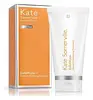
This smoothing exfoliator is formulated around Lactic Acid and Silica to refine skin texture and refine the look of pores.
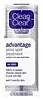
This acne treatment is formulated around Salicylic Acid to clear breakouts and refine skin texture.

What's inside
What's inside
 Key Ingredients
Benefits
Concerns
Ingredients Side-by-side
Water
Skin ConditioningLactic Acid
Buffering










Silica
Abrasive
Glycine Soja Oil
Emollient





Pectin
Emulsion StabilisingCetearyl Alcohol
Emollient

Carica Papaya Fruit
Skin ConditioningCeteareth-20
CleansingCetyl Alcohol
Emollient
Phenoxyethanol
Preservative
Dehydroxanthan Gum
Emulsion StabilisingGlyceryl Stearate
Emollient
PEG-100 Stearate
Surfactant
Salicylic Acid
Masking


Lactobacillus/Pumpkin Ferment Extract
Skin ConditioningAlcohol Denat.
Antimicrobial
Sorbic Acid
Preservative
Cinnamal
Perfuming


Mel
EmollientCitrus Aurantium Bergamia Fruit Oil
Masking
Eugenol
Perfuming
Potassium Sorbate
Preservative
Limonene
Perfuming
Linalool
Perfuming
Lavandula Angustifolia Oil
Masking
Beta-Carotene
Skin ConditioningAloe Barbadensis Leaf Juice Powder
Skin Conditioning
Bromelain
Skin Conditioning
Papain
Skin Conditioning
Retinyl Palmitate
Skin Conditioning
Tocopheryl Acetate
Antioxidant

Cinnamomum Cassia Leaf Oil
Masking
Acetic Acid
BufferingPogostemon Cablin Leaf Oil
Masking
Pelargonium Graveolens Flower Oil
Masking
Aniba Rosaeodora Wood Extract
Masking
Citrus Aurantium Dulcis Peel Oil
Masking
CI 75810
Cosmetic ColorantWater, Lactic Acid, Silica, Glycine Soja Oil, Pectin, Cetearyl Alcohol, Carica Papaya Fruit, Ceteareth-20, Cetyl Alcohol, Phenoxyethanol, Dehydroxanthan Gum, Glyceryl Stearate, PEG-100 Stearate, Salicylic Acid, Lactobacillus/Pumpkin Ferment Extract, Alcohol Denat., Sorbic Acid, Cinnamal, Mel, Citrus Aurantium Bergamia Fruit Oil, Eugenol, Potassium Sorbate, Limonene, Linalool, Lavandula Angustifolia Oil, Beta-Carotene, Aloe Barbadensis Leaf Juice Powder, Bromelain, Papain, Retinyl Palmitate, Tocopheryl Acetate, Cinnamomum Cassia Leaf Oil, Acetic Acid, Pogostemon Cablin Leaf Oil, Pelargonium Graveolens Flower Oil, Aniba Rosaeodora Wood Extract, Citrus Aurantium Dulcis Peel Oil, CI 75810
Salicylic Acid 2%
Masking
Alcohol
Antimicrobial
Ammonium Hydroxide
BufferingBenzalkonium Chloride
Antimicrobial
Butylene Glycol
Humectant
C12-15 Alkyl Lactate
EmollientC13-14 Isoparaffin
Emollient
Capryloyl Glycine
CleansingCedrus Atlantica Bark Extract
Perfuming
Cetyl Lactate
EmollientCinnamomum Zeylanicum Bark Extract
Antimicrobial
Cocamidopropyl Pg-Dimonium Chloride Phosphate
Cyclopentasiloxane
Emollient
Dehydroxanthan Gum
Emulsion StabilisingGlycerin
Humectant
Hamamelis Virginiana Water
Astringent
Laureth-7
EmulsifyingMethylparaben
Preservative

Parfum
Masking
Phenethyl Dimethicone
Emollient
Phenoxyethanol
Preservative
Polyacrylamide
Polysorbate 20
Emulsifying
Portulaca Oleracea Extract
Skin Conditioning
PPG-2 Isoceteth-20 Acetate
EmulsifyingPropylene Glycol
Humectant
Propylparaben
Preservative
Sarcosine
Skin Conditioning
Sd Alcohol 40-B
Astringent
T-Butyl Alcohol
Perfuming
Tetrasodium EDTA
Water
Skin ConditioningSalicylic Acid 2%, Alcohol, Ammonium Hydroxide, Benzalkonium Chloride, Butylene Glycol, C12-15 Alkyl Lactate, C13-14 Isoparaffin, Capryloyl Glycine, Cedrus Atlantica Bark Extract, Cetyl Lactate, Cinnamomum Zeylanicum Bark Extract, Cocamidopropyl Pg-Dimonium Chloride Phosphate, Cyclopentasiloxane, Dehydroxanthan Gum, Glycerin, Hamamelis Virginiana Water, Laureth-7, Methylparaben, Parfum, Phenethyl Dimethicone, Phenoxyethanol, Polyacrylamide, Polysorbate 20, Portulaca Oleracea Extract, PPG-2 Isoceteth-20 Acetate, Propylene Glycol, Propylparaben, Sarcosine, Sd Alcohol 40-B, T-Butyl Alcohol, Tetrasodium EDTA, Water
Ingredients Explained
These ingredients are found in both products.
Ingredients higher up in an ingredient list are typically present in a larger amount.
We don't have a description for Dehydroxanthan Gum yet.
Phenoxyethanol is one of the most widely used preservatives in skincare (and for good reason!).
It has a large spectrum of antimicrobial activity and especially effective bacteria, yeast, and mold while only having a weak effect on your skin's natural microbiome.
On a cellular level, it disrupts the cell membranes of microbes by poking holes that make the cell leak. This shuts down the chemical reactions the microbe needs to make energy so it can no longer survive.
Another perk of this ingredient is that it stays functional across a wide pH range (3-10).
You'll often see it paired with boosters like Ethylhexylglycerin; one study showed that a 1:9 ratio of Ethylhexylglycerin to Phenoxyethanol damages bacterial membranes as effectively as doubling the Phenoxyethanol concentration on its own.
Typical use concentrations range from 0.3-1% depending on the formula, and this ingredient is capped at 1% int the EU.
Safety-wise, the fear mongering does not hold up to the evidence. The EU's Scientific Committee on Consumer Safety and FDA consider it safe as a preservative at up to 1%, including for children of all ages.
Adverse systemic effects only showed up in animal studies at exposures roughly 200x higher than what people get from cosmetics. And despite its very widespread use, this ingredient is a rare sensitizer and allergic reactions are uncommon.
Learn more about PhenoxyethanolSalicylic Acid (also known as beta hydroxy acid or BHA) is a well-known ingredient for treating skin that struggles with acne and clogged pores. It exfoliates both the skin's surface and deep within the pores to help clear out buildup, control oil, and reduce inflammation.
Unlike AHAs (alpha hydroxy acids), salicylic acid is oil-soluble. This allows it to penetrate into pores which makes it especially effective for treating blackheads and preventing future breakouts.
Salicylic acid is also known for its soothing properties. It has a similar structure to aspirin and can calm inflamed or irritated skin, making it a good option for acne-prone skin that is also sensitive.
Concentrations of 0.5-2% are recognized by the U.S. FDA as an over-the-counter topical acne product.
It can cause irritation and/or dryness if one's skin already has a compromised moisture barrier, so it's best to focus on repairing that before introducing this ingredient into your routine.
While salicylic acid does not increase sun sensitivity, it’s still important to wear sunscreen daily to protect your skin.
If you are looking for the ingredient called BHA or Butylated Hydroxyanisole, click here.
Learn more about Salicylic AcidWater. It's the most common cosmetic ingredient of all. You'll usually see it at the top of ingredient lists, meaning that it makes up the largest part of the product.
So why is it so popular? Water most often acts as a solvent - this means that it helps dissolve other ingredients into the formulation.
You'll also recognize water as that liquid we all need to stay alive. If you see this, drink a glass of water. Remember to stay hydrated!
Learn more about Water

