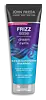
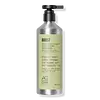
John Frieda Frizz Ease Dream Curls Curl Defining Conditioner Versus AG Care Boost Apple Cider Vinegar Silicone-Free Conditioner


What's inside
What's inside
 Key Ingredients
Benefits
Concerns
Ingredients Side-by-side
Defined Cell Culture Media 2
Skin ConditioningGlycerin
Humectant


Caprylic/Capric Triglyceride
Masking
Cetearyl Alcohol
Emollient



Dimethicone
Emollient
Behentrimonium Chloride
Preservative
Bis-Hydroxy/Methoxy Amodimethicone
Cetyl Alcohol
Emollient
Parfum
Masking



Trimethylpentanediol/Adipic Acid/Glycerin Crosspolymer
Skin ConditioningPolyquaternium-37
Dipropylene Glycol
HumectantHydroxypropyl Methylcellulose
Emulsion StabilisingRosa Canina Fruit Oil
Emollient
Tetrasodium EDTA
Tocopherol
Antioxidant





Methylchloroisothiazolinone
Preservative
Methylisothiazolinone
Preservative
Benzyl Salicylate
Perfuming
Linalool
Perfuming
Defined Cell Culture Media 2, Glycerin, Caprylic/Capric Triglyceride, Cetearyl Alcohol, Dimethicone, Behentrimonium Chloride, Bis-Hydroxy/Methoxy Amodimethicone, Cetyl Alcohol, Parfum, Trimethylpentanediol/Adipic Acid/Glycerin Crosspolymer, Polyquaternium-37, Dipropylene Glycol, Hydroxypropyl Methylcellulose, Rosa Canina Fruit Oil, Tetrasodium EDTA, Tocopherol, Methylchloroisothiazolinone, Methylisothiazolinone, Benzyl Salicylate, Linalool
Water
Skin ConditioningCaprylic/Capric Triglyceride
Masking
Glycerin
Humectant
Cetyl Alcohol
Emollient
Stearyl Alcohol
Emollient
Hydroxypropyl Starch Phosphate
Arachidyl Alcohol
Emollient
Stearalkonium Chloride
Preservative
Behentrimonium Chloride
Preservative
Parfum
Masking
Butyrospermum Parkii Butter
Skin Conditioning
Sorbitol
Humectant
Glyceryl Caprylate
EmollientBehenyl Alcohol
Emollient
Crambe Abyssinica Seed Oil
Skin Conditioning
Dicaprylyl Carbonate
EmollientRosa Canina Fruit Oil
Emollient
Arachidyl Glucoside
EmulsifyingPisum Sativum Peptide
Skin Conditioning
Acetum
Guar Hydroxypropyltrimonium Chloride
Skin ConditioningIsopropyl Alcohol
Solvent

Sodium PCA
Humectant
Alcohol
Antimicrobial
Mangifera Indica Seed Butter
Skin Conditioning
Cocos Nucifera Oil
Masking
Citral
Perfuming
Cinnamidopropyltrimonium Chloride
Linalool
Perfuming
Glyceryl Undecylenate
Emollient
Panthenol
Skin Conditioning
Brassica Campestris Seed Oil
Skin Conditioning
Linum Usitatissimum Seed Oil
Perfuming
Emblica Officinalis Fruit Extract
Skin ConditioningLimonene
Perfuming
Polysorbate 80
Emulsifying
Geraniol
Perfuming
Hydrolyzed Quinoa
Skin ConditioningVanillin
Masking
Leuconostoc/Radish Root Ferment Filtrate
Antimicrobial
Prunus Armeniaca Fruit Extract
Skin ConditioningPrunus Persica Fruit Extract
Abrasive
Pyrus Malus Fruit Extract
Skin Conditioning
Sodium Benzoate
Masking
Myristyl Alcohol
Emollient
Potassium Sorbate
Preservative
Benzyl Alcohol
Perfuming
Prunus Amygdalus Dulcis Seed Extract
Skin ConditioningPanicum Miliaceum Seed Extract
Skin ConditioningLinum Usitatissimum Seed Extract
Perfuming
Olea Europaea Leaf Extract
Perfuming
Rosmarinus Officinalis Leaf Extract
AntimicrobialArnica Montana Flower Extract
Masking
Lauryl Alcohol
Emollient
Tocopherol
Antioxidant
Acetic Acid
BufferingWater, Caprylic/Capric Triglyceride, Glycerin, Cetyl Alcohol, Stearyl Alcohol, Hydroxypropyl Starch Phosphate, Arachidyl Alcohol, Stearalkonium Chloride, Behentrimonium Chloride, Parfum, Butyrospermum Parkii Butter, Sorbitol, Glyceryl Caprylate, Behenyl Alcohol, Crambe Abyssinica Seed Oil, Dicaprylyl Carbonate, Rosa Canina Fruit Oil, Arachidyl Glucoside, Pisum Sativum Peptide, Acetum, Guar Hydroxypropyltrimonium Chloride, Isopropyl Alcohol, Sodium PCA, Alcohol, Mangifera Indica Seed Butter, Cocos Nucifera Oil, Citral, Cinnamidopropyltrimonium Chloride, Linalool, Glyceryl Undecylenate, Panthenol, Brassica Campestris Seed Oil, Linum Usitatissimum Seed Oil, Emblica Officinalis Fruit Extract, Limonene, Polysorbate 80, Geraniol, Hydrolyzed Quinoa, Vanillin, Leuconostoc/Radish Root Ferment Filtrate, Prunus Armeniaca Fruit Extract, Prunus Persica Fruit Extract, Pyrus Malus Fruit Extract, Sodium Benzoate, Myristyl Alcohol, Potassium Sorbate, Benzyl Alcohol, Prunus Amygdalus Dulcis Seed Extract, Panicum Miliaceum Seed Extract, Linum Usitatissimum Seed Extract, Olea Europaea Leaf Extract, Rosmarinus Officinalis Leaf Extract, Arnica Montana Flower Extract, Lauryl Alcohol, Tocopherol, Acetic Acid
Ingredients Explained
These ingredients are found in both products.
Ingredients higher up in an ingredient list are typically present in a larger amount.
This ingredient is a preservative and often used for it's anti-static properties. You'll most likely see this ingredient in hair conditioners.
It does not cause irritation or sensitization in leave-on products at 1-5%.
This ingredient is a lightweight emollient, solvent, and texture enhancer. It is considered a skin-softener by helping the skin prevent moisture loss.
It helps thicken a product's formula and makes it easier to spread by dissolving clumping compounds.
Caprylic Triglyceride is made by combining glycerin with coconut oil, forming a clear liquid. Though it behaves like an oil, it is not technically one due to its chemical composition. It is very stable, resistant to oxidation, and unlikely to go rancid. In practice, that translates to a long shelf life and a consistently elegant skin feel.
While there is an assumption Caprylic Triglyceride can clog pores due to it being derived from coconut oil, there is no research supporting this. Be sure to patch test if you have concerns.
Fractionated coconut oil and MCT Oil are both listed as Caprylic/Capric Triglyceride according to INCI. This is because INCI names are based on the ingredient’s final chemical composition and not its marketing name or source.
Learn more about Caprylic/Capric TriglycerideCetyl Alcohol is a fatty alcohol. Fatty Alcohols are most often used as an emollient or to thicken a product.
Its main roles are:
Though it has "alcohol" in the name, it is not related to denatured alcohol or ethyl alcohol.
The FDA allows products labeled "alcohol-free" to have fatty alcohols.
Learn more about Cetyl AlcoholGlycerin (or glycerol) is a compound naturally found in your skin. It's a powerhouse humectant that pulls water into the stratum corneum.
Topically, glycerin does several things at once:
Your skin makes glycerin on its own (mostly from sebaceous oil breakdown) and shuttles it to your outermost layer of skin, or your epidermis, via aquaporin-3.
Aquaporin-3 is a transporter that is essential for normal skin hydration, elasticity, and repair. Interestingly, mice lacking in AQP3 have dry and less elastic skin that can be fully corrected with glycerin.
This ingredient is non-irritating, plays well with almost every ingredient, and works across all skin types. Typical use is anywhere between 3-10% but can go up to 79% in some leave-on products.
Just know very high concentrations (>40%) can feel tacky in low humidity.
Glycerin is the name for this ingredient in American English. British English uses Glycerol/Glycerine.
Learn more about GlycerinLinalool is a fragrance and helps add scent to products. It's derived from common plants such as cinnamon, mint, citrus, and lavender.
Like Limonene, this ingredient oxidizes when exposed to air. Oxidized linalool can cause allergies and skin sensitivity.
This ingredient has a scent that is floral, spicy tropical, and citrus-like.
Learn more about LinaloolParfum is a catch-all term for an ingredient or more that is used to give a scent to products.
Also called "fragrance", this ingredient can be a blend of hundreds of chemicals or plant oils. This means every product with "fragrance" or "parfum" in the ingredients list is a different mixture.
For instance, Habanolide is a proprietary trade name for a specific aroma chemical. When used as a fragrance ingredient in cosmetics, most aroma chemicals fall under the broad labeling category of “FRAGRANCE” or “PARFUM” according to EU and US regulations.
The term 'parfum' or 'fragrance' is not regulated in many countries. In many cases, it is up to the brand to define this term.
For instance, many brands choose to label themselves as "fragrance-free" because they are not using synthetic fragrances. However, their products may still contain ingredients such as essential oils that are considered a fragrance by INCI standards.
One example is Calendula flower extract. Calendula is an essential oil that still imparts a scent or 'fragrance'.
Depending on the blend, the ingredients in the mixture can cause allergies and sensitivities on the skin. Some ingredients that are known EU allergens include linalool and citronellol.
Parfum can also be used to mask or cover an unpleasant scent.
The bottom line is: not all fragrances/parfum/ingredients are created equally. If you are worried about fragrances, we recommend taking a closer look at an ingredient. And of course, we always recommend speaking with a professional.
Learn more about ParfumRosehip Oil is a non-fragrant plant oil. Rosehips are a fruit from a rose bush and are edible. This oil has skin conditioning and hydrating properties.
Rosehip contains Vitamin C, Vitamin E, fatty acids and linolenic acids. These nourish your skin barrier. Having hydrated skin may help reduce the appearance of fine-lines and wrinkles.
Another great component of Rosehip Oil is Vitamin A, or retinol. Vitamin A encourages your skin to create more collagen.
Rosehip oil may help with reducing pigmentation. The lycopene and beta-carotene have skin-lightening properties. However, more studies are needed to confirm this.
Learn more about Rosa Canina Fruit OilTocopherol is a fat-soluble antioxidant known as Vitamin E.
You'll find this ingredient in the vast majority of skincare (for good reason). It works to neutralize free radicals, or unstable molecules generated by UV exposure, pollution, and other environmental stressors, before they can cause oxidative damage to your skin cells.
Topically applied tocopherol has been shown to protect against UV damage by ramping up the skin's own natural defense enzymes.
It also acts as a skin conditioning agent; some studies show that regular topical use can improve the skin's water-binding capacity over 2-4 weeks.
This ingredient is especially loved for being a team player. When combined with Vitamin C, the photoprotective effect of both ingredients roughly doubles and the combo also helps reduce UV-induced DNA damage.
This ingredient has some brightening potential but it's more of a prevention ingredient than spot-fader. Cell studies show it can slow down melanin production but it's worth noting that it's not the most powerful brightener out there.
In formulations, it also serves as a stabilizer that helps protect other oxidation-prone ingredients from degrading.
Concentrations usually range from 0.1-1% in most leave-on products.
Learn more about Tocopherol
