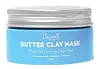
This wash off mask is formulated around Salicylic Acid to clear breakouts and unclog pores.


What's inside
What's inside
 Key Ingredients
Benefits
Concerns
Ingredients Side-by-side
Water
Skin ConditioningKaolin
Abrasive



Calamine
AbsorbentGlycerin
Humectant


Glyceryl Stearate
Emollient

Niacinamide
Smoothing






Betaine
Humectant
Bentonite
Absorbent
Pentylene Glycol
Skin Conditioning
Titanium Dioxide
Cosmetic Colorant

Caprylic/Capric Triglyceride
Masking
Polyacrylamide
Ethylhexylglycerin
Skin ConditioningCI 77288
Cosmetic ColorantC13-14 Isoparaffin
Emollient
Xanthan Gum
EmulsifyingCaprylyl Glycol
Emollient
Laureth-7
EmulsifyingAllantoin
Skin Conditioning
CI 42090
Cosmetic Colorant1,2-Hexanediol
Skin Conditioning
Disodium EDTA
ChelatingCaffeine
Skin Conditioning
Tocopherol
Antioxidant

Salicylic Acid
Masking




Ascorbic Acid
Antioxidant
Vitis Vinifera Seed Oil
Emollient
Butylene Glycol
Humectant
Mentha Piperita Extract
CleansingParfum
Masking

Water, Kaolin, Calamine, Glycerin, Glyceryl Stearate, Niacinamide, Betaine, Bentonite, Pentylene Glycol, Titanium Dioxide, Caprylic/Capric Triglyceride, Polyacrylamide, Ethylhexylglycerin, CI 77288, C13-14 Isoparaffin, Xanthan Gum, Caprylyl Glycol, Laureth-7, Allantoin, CI 42090, 1,2-Hexanediol, Disodium EDTA, Caffeine, Tocopherol, Salicylic Acid, Ascorbic Acid, Vitis Vinifera Seed Oil, Butylene Glycol, Mentha Piperita Extract, Parfum
Water
Skin ConditioningVigna Radiata Seed Extract 11%
Skin ConditioningGlycerin
Humectant
Kaolin
Abrasive
Bentonite
Absorbent
Diglycerin
Humectant
Zea Mays Starch
Absorbent
Propanediol
Solvent
1,2-Hexanediol
Skin Conditioning
Glyceryl Glucoside
Humectant
Betaine
Humectant
Dipropylene Glycol
HumectantPhaseolus Radiatus Seed Powder 0.6%
Calamine
AbsorbentPotassium Cetyl Phosphate
EmulsifyingXanthan Gum
EmulsifyingHydroxyacetophenone
Antioxidant
Cocos Nucifera Shell Powder
Abrasive
Ethylhexylglycerin
Skin ConditioningNiacinamide
Smoothing
Phaseolus Radiatus Seed Extract 0.1%
Skin ConditioningPhaseolus Radiatus Extract 0.1%
Skin ConditioningOlea Europaea Fruit Oil
Masking
Sodium Acrylate/Sodium Acryloyldimethyl Taurate Copolymer
Emulsion StabilisingChlorella Vulgaris Powder
Skin ConditioningPolyisobutene
Glucose
Humectant
Triethoxycaprylylsilane

Disodium EDTA
ChelatingButylene Glycol
Humectant
Citric Acid
Buffering
Allantoin
Skin Conditioning
Sorbitan Oleate
Emulsifying
Caprylyl/Capryl Glucoside
CleansingAbies Sibirica Oil
Masking
Rosmarinus Officinalis Leaf Oil
Masking
Salvia Sclarea Oil
Masking
Phaseolus Radiatus Sprout Extract
HumectantAnthemis Nobilis Flower Oil
Masking
Hydrolyzed Extensin
Skin ConditioningJuniperus Mexicana Oil
Masking
Canadian Colloidal Clay
Skin ConditioningManicouagan Clay
AbsorbentIllite
Abrasive
Chamomilla Recutita Flower Oil
Masking
Montmorillonite
AbsorbentProtease
Exfoliating
Water, Vigna Radiata Seed Extract 11%, Glycerin, Kaolin, Bentonite, Diglycerin, Zea Mays Starch, Propanediol, 1,2-Hexanediol, Glyceryl Glucoside, Betaine, Dipropylene Glycol, Phaseolus Radiatus Seed Powder 0.6%, Calamine, Potassium Cetyl Phosphate, Xanthan Gum, Hydroxyacetophenone, Cocos Nucifera Shell Powder, Ethylhexylglycerin, Niacinamide, Phaseolus Radiatus Seed Extract 0.1%, Phaseolus Radiatus Extract 0.1%, Olea Europaea Fruit Oil, Sodium Acrylate/Sodium Acryloyldimethyl Taurate Copolymer, Chlorella Vulgaris Powder, Polyisobutene, Glucose, Triethoxycaprylylsilane, Disodium EDTA, Butylene Glycol, Citric Acid, Allantoin, Sorbitan Oleate, Caprylyl/Capryl Glucoside, Abies Sibirica Oil, Rosmarinus Officinalis Leaf Oil, Salvia Sclarea Oil, Phaseolus Radiatus Sprout Extract, Anthemis Nobilis Flower Oil, Hydrolyzed Extensin, Juniperus Mexicana Oil, Canadian Colloidal Clay, Manicouagan Clay, Illite, Chamomilla Recutita Flower Oil, Montmorillonite, Protease
Reviews
Ingredients Explained
These ingredients are found in both products.
Ingredients higher up in an ingredient list are typically present in a larger amount.
1,2-Hexanediol is a synthetic liquid and another multi-functional powerhouse.
It is a:
- Humectant, drawing moisture into the skin
- Emollient, helping to soften skin
- Solvent, dispersing and stabilizing formulas
- Preservative booster, enhancing the antimicrobial activity of other preservatives
Allantoin is a soothing ingredient known for its protective and moisturizing properties; it's basically a quiet workhorse ingredient you can find in a huge range of cosmetics.
Though it can be derived from the comfrey plant, allantoin is produced synthetically for cosmetic products to ensure purity.
Research shows it can encourage your skin cells to turn over and renew by stimulating keratinocyte and fibroblast proliferation.
It also has mild keratolytic properties to help loosen and shed dead skin cells without being harsh.
Studies also suggest allantoin can help calm inflammation by dialing down some of the chemical signals your skin sends out when it is irritated.
This ingredient is typically used in the 0.1-0.5% range, and the FDA recognizes it as a skin protectant in OTC products up to 2%.
Overall, allantoin is a wonderful addition to most routines; it is stable across a wide pH range (~4-8), works well with other ingredients, and is considered non-sensitizing/non-irritating.
Fun fact: Allantoin is naturally occurring in comfrey root, beets, chamomile, and wheat sprouts. Our bodies even produce it as a byproduct of uric acid metabolism.
Learn more about AllantoinBentonite is an aluminium phyllosilicate clay with great absorbent properties. The name 'bentonite' comes from the area where the largest source is found: Fort Benton, Wyoming.
As a clay, bentonite is often used to absorb excess oil and provide exfoliation. It has also been shown to have some antibacterial and anti-inflammatory properties. Studies show bentonite was effective at calming dermatitis from poison ivy and in diaper dermatitis of infants. Bentonite has also been shown to act as a barrier against toxic compounds on your skin.
Sunscreens containing bentonite display higher water resistance and stay on the skin for much longer. The sunscreens containing bentonite also show higher potency and UV light absorbtion.
Bentonite is naturally created from volcanic ash and several natural weathering/hydrothermal processes.
A common usage of bentonite is removing excess protein from white wines. Bentonite contains a property of being able to absorb large amounts of protein from aqueous solutions.
Phyllosilicate clay has a structure formed by sheets.
Learn more about BentoniteBetaine is a humectant. Like hyaluronic acid, it helps attract and retain moisture in the skin. It’s known for being gentle and for helping the skin maintain balanced hydration.
Betaine is mainly used to improve hydration and support calmer skin. It helps skin cells regulate water balance because it functions as an osmolyte.
Some studies suggest betaine may support making skin tone more even.
Fun fact: Betaine naturally exists in the skin and the body. In cosmetic products, it can be either plant-derived (most commonly from sugar beets) or synthetically produced for consistency and stability.
Betaine is also known as trimethylglycine.
Learn more about BetaineButylene Glycol (or BG) is used within cosmetic products for a few different reasons:
Overall, Butylene Glycol is a safe and well-rounded ingredient that works well with other ingredients.
Though this ingredient works well with most skin types, some people with sensitive skin may experience a reaction such as allergic rashes, closed comedones, or itchiness.
Learn more about Butylene GlycolCalamine is a "pink powder" that is used to calm itchy or irritated skin. In official medical standards, calamine is basically almost all zinc oxide with a tiny bit of iron oxide added for the pink color.
Lab testing requires that it’s at least 98% zinc oxide, which just means it has to be very pure and mostly zinc oxide.
In skincare, calamine can help relieve itches, calm skin, and absorb excess moisture/oil. This is why you'll often see it used for oozing rashes. Calamine is approved as a skin protectant active at 1-25% in US OTC drug products.
A big part of calamine's soothing effect comes from zinc oxide's protective properties. Since calamine can absorb excess moisture/oil, it might be drying for already dry skin types.
A review of topical medicament allergies notes that contact dermatitis from calamine isn't typically reported, but added actives in a formulation are known sensitizers.
Learn more about CalamineDisodium EDTA is a chelating agent. It grabs onto and deactivates metal ions that sneak into your products from water, packaging, or air.
This ingredient mainly works behind the scenes and helps with:
On top of that, this ingredient can counteract the effects of hard water by binding to the minerals in it.
One thing worth knowing is that Disodium EDTA has been shown to be a mild penetration enhancer. It can help other ingredients absorb into skin more effectively which can be a double-edged sword (great for actives, but can also make the active too strong if you have sensitive skin).
Clinical patch testing showed no significant skin irritation at typical use concentrations and minimal dermal absorption.
You'll most likely see this ingredient near the end of an ingredient list. It's typically found in concentrations less than 1%.
Learn more about Disodium EDTAEthylhexylglycerin is created from glycerin. It is a multitasker ingredient that:
The CIR Expert Panel found minimal skin absorption or sensitization of any kind in a safety assessment. Though this ingredient is considered well-tolerated, a small number of cases of allergic dermatitis have been published since 2002. Just be sure to patch test if you are unsure.
Industry-reported use ranges from 8% in rinse-off products and 2% in leave-on formulations.
Learn more about EthylhexylglycerinGlycerin (or glycerol) is a compound naturally found in your skin. It's a powerhouse humectant that pulls water into the stratum corneum.
Topically, glycerin does several things at once:
Your skin makes glycerin on its own (mostly from sebaceous oil breakdown) and shuttles it to your outermost layer of skin, or your epidermis, via aquaporin-3.
Aquaporin-3 is a transporter that is essential for normal skin hydration, elasticity, and repair. Interestingly, mice lacking in AQP3 have dry and less elastic skin that can be fully corrected with glycerin.
This ingredient is non-irritating, plays well with almost every ingredient, and works across all skin types. Typical use is anywhere between 3-10% but can go up to 79% in some leave-on products.
Just know very high concentrations (>40%) can feel tacky in low humidity.
Glycerin is the name for this ingredient in American English. British English uses Glycerol/Glycerine.
Learn more about GlycerinKaolin is a clay. It is used for oil control and to help minimize pores. Like other clays, kaolin has the ability to absorb excess sebum or oil. This can help clean out pores and mattify the skin.
Some types of kaolin may have exfoliating properties. When water is added to kaolin, it becomes a paste with small abrasive particles.
Most kaolin is a white color, but may be pink/orange/red depending on where it comes from.
The name 'kaolin' comes from a Chinese village named 'Gaoling'. Kaolin clay comes from rocks rich in kaolinite. Kaolinite, the mineral, has a silicate layered structure. Kaolinite is formed from chemical weathering of aluminum siilicate minerals.
Besides skincare, kaolin is commonly used to make glossy paper, in ceramics, toothpaste, and as medicine to soothe stomach issues.
Learn more about KaolinNiacinamide is a multitasking form of vitamin B3 that strengthens the skin barrier, reduces pores and dark spots, regulates oil, and improves signs of aging.
And the best part? It's gentle and well-tolerated by most skin types, including sensitive and reactive skin.
You might have heard of "niacin flush", or the reddening of skin that causes itchiness. Niacinamide has not been found to cause this.
In very rare cases, some individuals may not be able to tolerate niacinamide at all or experience an allergic reaction to it.
If you are experiencing flaking, irritation, and dryness with this ingredient, be sure to double check all your products as this ingredient can be found in all categories of skincare.
When incorporating niacinamide into your routine, look out for concentration amounts. Typically, 5% niacinamide provides benefits such as fading dark spots. However, if you have sensitive skin, it is better to begin with a smaller concentration.
When you apply niacinamide to your skin, your body converts it into nicotinamide adenine dinucleotide (NAD). NAD is an essential coenzyme that is already found in your cells as "fuel" and powers countless biological processes.
In your skin, NAD helps repair cell damage, produce new healthy cells, support collagen production, strengthen the skin barrier, and fight environmental stressors (like UV and pollution).
Our natural NAD levels start to decline with age, leading to slower skin repair, visible aging, and a weaker skin barrier. By providing your skin niacinamide, you're recharging your skin's NAD levels. This leads to stronger, healthier, and younger looking skin.
Another name for vitamin B3 is nicotinamide. This vitamin is water-soluble and our bodies don't store it. We obtain Vitamin B3 from either food or skincare. Meat, fish, wheat, yeast, and leafy greens contain vitamin B3.
The type of niacinamide used in skincare is synthetically created.
Learn more about NiacinamideWater. It's the most common cosmetic ingredient of all. You'll usually see it at the top of ingredient lists, meaning that it makes up the largest part of the product.
So why is it so popular? Water most often acts as a solvent - this means that it helps dissolve other ingredients into the formulation.
You'll also recognize water as that liquid we all need to stay alive. If you see this, drink a glass of water. Remember to stay hydrated!
Learn more about WaterXanthan gum is used as a stabilizer and thickener within cosmetic products. It helps give products a sticky, thick feeling - preventing them from being too runny.
On the technical side of things, xanthan gum is a polysaccharide - a combination consisting of multiple sugar molecules bonded together.
Xanthan gum is a pretty common and great ingredient. It is a natural, non-toxic, non-irritating ingredient that is also commonly used in food products.
Learn more about Xanthan Gum

