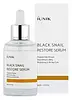
This barrier-repair serum is formulated around Centella Asiatica Leaf Water and Niacinamide to strengthen the skin barrier and calm redness.
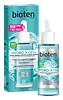
This hydrating serum is formulated around Sodium Hyaluronate and Sodium Hyaluronate Crosspolymer to hydrate skin and strengthen the skin barrier.


What's inside
What's inside
 Key Ingredients
Benefits
Concerns
No concerns
Ingredients Side-by-side
Water
Skin ConditioningCentella Asiatica Leaf Water
Skin Conditioning


Glycerin
Humectant

1,2-Hexanediol
Skin Conditioning
Butylene Glycol
Humectant
Niacinamide
Smoothing







Glycereth-26
Humectant
Snail Extract
Emollient
Scutellaria Baicalensis Root Extract
Astringent
Polygonum Cuspidatum Root Extract
Antioxidant
Oryza Sativa Extract
Absorbent
Coffea Arabica Seed Extract
Masking
Laminaria Japonica Extract
Skin Protecting
Sesamum Indicum Seed Extract
Skin Conditioning
Solanum Melongena Fruit Extract
Skin ConditioningDipotassium Glycyrrhizate
Humectant
Camellia Sinensis Leaf Extract
Antimicrobial
Cynanchum Atratum Extract
Skin ConditioningChamomilla Recutita Flower Extract
Masking
Rosmarinus Officinalis Leaf Extract
AntimicrobialCentella Asiatica Extract
Cleansing
Arginine
Masking
Carbomer
Emulsion StabilisingAdenosine
Skin Conditioning
Ethylhexylglycerin
Skin ConditioningSodium Polyacrylate
Absorbent
Xanthan Gum
EmulsifyingSodium Hyaluronate
Humectant
Pentylene Glycol
Skin Conditioning
Caprylyl Glycol
Emollient
Water, Centella Asiatica Leaf Water, Glycerin, 1,2-Hexanediol, Butylene Glycol, Niacinamide, Glycereth-26, Snail Extract, Scutellaria Baicalensis Root Extract, Polygonum Cuspidatum Root Extract, Oryza Sativa Extract, Coffea Arabica Seed Extract, Laminaria Japonica Extract, Sesamum Indicum Seed Extract, Solanum Melongena Fruit Extract, Dipotassium Glycyrrhizate, Camellia Sinensis Leaf Extract, Cynanchum Atratum Extract, Chamomilla Recutita Flower Extract, Rosmarinus Officinalis Leaf Extract, Centella Asiatica Extract, Arginine, Carbomer, Adenosine, Ethylhexylglycerin, Sodium Polyacrylate, Xanthan Gum, Sodium Hyaluronate, Pentylene Glycol, Caprylyl Glycol
Water
Skin ConditioningCaprylic/Capric/Succinic Triglyceride
EmollientPropanediol
Solvent
Betaine
Humectant
Sodium Hyaluronate
Humectant
Sodium Hyaluronate Crosspolymer
Humectant
1,2-Hexanediol
Skin Conditioning
Allantoin
Skin Conditioning
Alpha-Glucan Oligosaccharide
Cleansing
Caprylyl Glycol
Emollient
Carbomer
Emulsion StabilisingCitric Acid
Buffering

Fructose
Humectant
Glucose
Humectant
Glycerin
Humectant
Lactobacillus Ferment
Skin Conditioning
Maltose
MaskingPanthenol
Skin Conditioning
Parfum
Masking



Pentylene Glycol
Skin Conditioning
Phospholipids
Skin Conditioning
Sodium Chloride
MaskingSodium Citrate
BufferingSodium Hydroxide
BufferingSodium Lactate
Buffering
Sodium PCA
Humectant
Sphingolipids
Emollient
Spirulina Platensis Extract
Skin ProtectingTetrasodium Glutamate Diacetate
ChelatingTocopherol
Antioxidant
Trehalose
Humectant
Urea
Buffering
Hydroxyacetophenone
Antioxidant
P-Anisic Acid
MaskingCitronellol
Perfuming
Hexyl Cinnamal
Perfuming
Linalool
Perfuming
CI 42090
Cosmetic ColorantWater, Caprylic/Capric/Succinic Triglyceride, Propanediol, Betaine, Sodium Hyaluronate, Sodium Hyaluronate Crosspolymer, 1,2-Hexanediol, Allantoin, Alpha-Glucan Oligosaccharide, Caprylyl Glycol, Carbomer, Citric Acid, Fructose, Glucose, Glycerin, Lactobacillus Ferment, Maltose, Panthenol, Parfum, Pentylene Glycol, Phospholipids, Sodium Chloride, Sodium Citrate, Sodium Hydroxide, Sodium Lactate, Sodium PCA, Sphingolipids, Spirulina Platensis Extract, Tetrasodium Glutamate Diacetate, Tocopherol, Trehalose, Urea, Hydroxyacetophenone, P-Anisic Acid, Citronellol, Hexyl Cinnamal, Linalool, CI 42090
Reviews
Ingredients Explained
These ingredients are found in both products.
Ingredients higher up in an ingredient list are typically present in a larger amount.
1,2-Hexanediol is a synthetic liquid and another multi-functional powerhouse.
It is a:
- Humectant, drawing moisture into the skin
- Emollient, helping to soften skin
- Solvent, dispersing and stabilizing formulas
- Preservative booster, enhancing the antimicrobial activity of other preservatives
Caprylyl Glycol is a humectant, skin conditioner, emollient, and preservative booster derived from either caprylic acid or synthetically created.
Typical use levels vary from 0.3-1% as a preservative booster and go up to 2% to condition skin.
Because it is not a free-fatty acid, this ingredient is fungal acne safe (there's nothing for Malassezia to feed on).
Learn more about Caprylyl GlycolCarbomer is a synthetic thickening and gelling agent. It's basically the ingredient that gives a lot of serums, gels, creams, and sunscreens their smooth, non-sticky texture.
Although legally permitted at very high levels, carbomers are normally used at concentrations below 1%.
It also needs to be neutralized to actually thicken, and because it is a large molecule, it doesn't really penetrate the skin barrier.
Allergy-wise, the risk is very low. Clinical studies show carbomers have low potential for skin irritation/sensitization even at concentrations up to 100%.
A 2024 UK study patch-tested 1,302 patients and found true allergy to the parent group of carbomer to be rare with no confirmed relevant reactions.
Learn more about CarbomerGlycerin (or glycerol) is a compound naturally found in your skin. It's a powerhouse humectant that pulls water into the stratum corneum.
Topically, glycerin does several things at once:
Your skin makes glycerin on its own (mostly from sebaceous oil breakdown) and shuttles it to your outermost layer of skin, or your epidermis, via aquaporin-3.
Aquaporin-3 is a transporter that is essential for normal skin hydration, elasticity, and repair. Interestingly, mice lacking in AQP3 have dry and less elastic skin that can be fully corrected with glycerin.
This ingredient is non-irritating, plays well with almost every ingredient, and works across all skin types. Typical use is anywhere between 3-10% but can go up to 79% in some leave-on products.
Just know very high concentrations (>40%) can feel tacky in low humidity.
Glycerin is the name for this ingredient in American English. British English uses Glycerol/Glycerine.
Learn more about GlycerinPentylene Glycol (1,2-pentanediol) is a multitasking little diol with three main roles in a formula:
Research on alkanediols (the family pentylene glycol belongs to) show they work by disrupting microbial cell membranes. This disruption helps the primary preservative system in a product work more effectively at lower doses.
On the safety side, the Cosmetic Ingredient Review Expert Panel has concluded this ingredient to be safe as used in current cosmetic practices + concentrations.
Typical use levels in a formula run about 1-5%.
Learn more about Pentylene GlycolSodium Hyaluronate is the salt form of hyaluronic acid. It is a long sugar chain that is naturally found in your skin, joints, and connective tissue that maintains hydration and elasticity.
In skincare, it works as a humectant. It pulls water from the environment and deeper layers of skin and binds it to the surface.
Interestingly, the size of the molecule affects its behavior:
Some clinical evidence links low molecular weight versions to improved wrinkle depth, elasticity, anti-inflammatory effects, and barrier repair.
Many serums use a blend of both weights so you can get surface hydration plus longer-lasting and deeper effects.
You'll typically see concentrations between 0.1-2% for this ingredient.
Learn more about Sodium HyaluronateWater. It's the most common cosmetic ingredient of all. You'll usually see it at the top of ingredient lists, meaning that it makes up the largest part of the product.
So why is it so popular? Water most often acts as a solvent - this means that it helps dissolve other ingredients into the formulation.
You'll also recognize water as that liquid we all need to stay alive. If you see this, drink a glass of water. Remember to stay hydrated!
Learn more about Water

