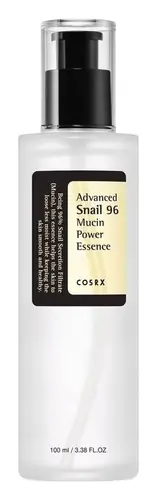
What's inside
What's inside
 Key Ingredients
Benefits
Concerns
Ingredients Side-by-side
Water
Skin ConditioningHydrolyzed Collagen
Emollient

Glycereth-26
Humectant
Butylene Glycol
Humectant
Cyclomethicone
Emollient
Butylene Glycol Dicaprylate/Dicaprate
EmollientMangifera Indica Seed Butter
Skin Conditioning

PEG-32
HumectantGlyceryl Polyacrylate
Ethoxydiglycol
HumectantPEG-20 Methyl Glucose Sesquistearate
Emulsifying
Laminaria Japonica Extract
Skin Protecting

Cetyl Alcohol
Emollient

Polysorbate 60
Emulsifying
Polyacrylate-13
Sorbitan Oleate
Emulsifying

Caprylyl Glycol
Emollient
Polyisobutene
Parfum
Masking


Methyl Glucose Sesquistearate
Emollient
Glycerin
Humectant
Ethylhexylglycerin
Skin ConditioningDimethicone
Emollient
Hydrolyzed Malt Extract
Skin ConditioningSaussurea Involucrata Extract
HumectantTocopheryl Acetate
Antioxidant


Panthenol
Skin Conditioning
Stearic Acid
Cleansing
Polysorbate 20
Emulsifying
Arctostaphylos Uva Ursi Leaf Extract
Skin Conditioning
Carbomer
Emulsion StabilisingTriethanolamine
BufferingXanthan Gum
EmulsifyingBHT
Antioxidant
Disodium EDTA
CI 15985
Cosmetic ColorantCI 14700
Cosmetic ColorantWater, Hydrolyzed Collagen, Glycereth-26, Butylene Glycol, Cyclomethicone, Butylene Glycol Dicaprylate/Dicaprate, Mangifera Indica Seed Butter, PEG-32, Glyceryl Polyacrylate, Ethoxydiglycol, PEG-20 Methyl Glucose Sesquistearate, Laminaria Japonica Extract, Cetyl Alcohol, Polysorbate 60, Polyacrylate-13, Sorbitan Oleate, Caprylyl Glycol, Polyisobutene, Parfum, Methyl Glucose Sesquistearate, Glycerin, Ethylhexylglycerin, Dimethicone, Hydrolyzed Malt Extract, Saussurea Involucrata Extract, Tocopheryl Acetate, Panthenol, Stearic Acid, Polysorbate 20, Arctostaphylos Uva Ursi Leaf Extract, Carbomer, Triethanolamine, Xanthan Gum, BHT, Disodium EDTA, CI 15985, CI 14700
Water
Skin ConditioningHydrogenated Polyisobutene
EmollientButylene Glycol
Humectant
Glycereth-26
Humectant
Triethylhexanoin
MaskingTrehalose
Humectant
Cyclopentasiloxane
Emollient
Hydrogenated Poly(C6-14 Olefin)
EmollientPEG-20 Methyl Glucose Sesquistearate
Emulsifying
Simmondsia Chinensis Seed Oil
Emollient
Glyceryl Stearate
Emollient
Polysorbate 60
Emulsifying
Butyrospermum Parkii Butter
Skin Conditioning
Limnanthes Alba Seed Oil
Skin Conditioning
Stearic Acid
Cleansing
Cetearyl Alcohol
Emollient
Caprylyl Glycol
Emollient
Ethylhexylglycerin
Skin ConditioningMethyl Glucose Sesquistearate
Emollient
Parfum
Masking
Dimethicone
Emollient
Glycerin
Humectant
Sorbitan Stearate
Emulsifying
1,2-Hexanediol
Skin Conditioning
Acrylates/C10-30 Alkyl Acrylate Crosspolymer
Emulsion StabilisingTromethamine
BufferingHydrolyzed Collagen
Emollient
Benzyl Salicylate
Perfuming
BHT
Antioxidant
Propylene Glycol
Humectant
Sucrose Cocoate
Emulsifying
Alpha-Isomethyl Ionone
Perfuming
Linalool
Perfuming
Disodium EDTA
Hydrolyzed Malt Extract
Skin ConditioningLaminaria Japonica Extract
Skin Protecting
Hexyl Cinnamal
Perfuming
Hydroxycitronellal
Perfuming
Citronellol
Perfuming
Saussurea Involucrata Extract
HumectantGeraniol
Perfuming
Arctostaphylos Uva-Ursi Leaf Extract
Skin Conditioning
Ethyl Hexanediol
SolventCI 15985
Cosmetic ColorantPhenoxyethanol
Preservative
CI 14700
Cosmetic ColorantWater, Hydrogenated Polyisobutene, Butylene Glycol, Glycereth-26, Triethylhexanoin, Trehalose, Cyclopentasiloxane, Hydrogenated Poly(C6-14 Olefin), PEG-20 Methyl Glucose Sesquistearate, Simmondsia Chinensis Seed Oil, Glyceryl Stearate, Polysorbate 60, Butyrospermum Parkii Butter, Limnanthes Alba Seed Oil, Stearic Acid, Cetearyl Alcohol, Caprylyl Glycol, Ethylhexylglycerin, Methyl Glucose Sesquistearate, Parfum, Dimethicone, Glycerin, Sorbitan Stearate, 1,2-Hexanediol, Acrylates/C10-30 Alkyl Acrylate Crosspolymer, Tromethamine, Hydrolyzed Collagen, Benzyl Salicylate, BHT, Propylene Glycol, Sucrose Cocoate, Alpha-Isomethyl Ionone, Linalool, Disodium EDTA, Hydrolyzed Malt Extract, Laminaria Japonica Extract, Hexyl Cinnamal, Hydroxycitronellal, Citronellol, Saussurea Involucrata Extract, Geraniol, Arctostaphylos Uva-Ursi Leaf Extract, Ethyl Hexanediol, CI 15985, Phenoxyethanol, CI 14700
Reviews
Ingredients Explained
These ingredients are found in both products.
Ingredients higher up in an ingredient list are typically present in a larger amount.
BHT is a synthetic antioxidant and preservative.
As an antioxidant, it helps your body fight off free-radicals. Free-radicals are molecules that may damage your skin cells.
As a preservative, it is used to stabilize products and prevent them from degrading. Specifically, BHT prevents degradation from oxidation.
The concerns related to BHT come from oral studies; this ingredient is currently allowed for use by both the FDA and EU.
However, it was recently restricted for use in the UK as of April 2024.
Learn more about BHTButylene Glycol (or BG) is used within cosmetic products for a few different reasons:
Overall, Butylene Glycol is a safe and well-rounded ingredient that works well with other ingredients.
Though this ingredient works well with most skin types, some people with sensitive skin may experience a reaction such as allergic rashes, closed comedones, or itchiness.
Learn more about Butylene GlycolCaprylyl Glycol is a humectant, skin conditioner, emollient, and preservative booster derived from either caprylic acid or synthetically created.
Typical use levels vary from 0.3-1% as a preservative booster and go up to 2% to condition skin.
Because it is not a free-fatty acid, this ingredient is fungal acne safe (there's nothing for Malassezia to feed on).
Learn more about Caprylyl GlycolCi 14700, also known as Red No. 4, is a synthetic red dye derived from petroleum. It is water soluble.
Ci 15985 is a dye made from petroleum. It is synthetically created and approved by the FDA for use in foods and cosmetics.
The color of this dye is orange/yellow.
This ingredient can be found in makeup, sun care, and skincare.
Learn more about CI 15985Dimethicone is a type of synthetic silicone created from natural materials such as quartz. It is also known as polydimethylsiloxane.
What it does:
Dimethicone comes in different viscosities:
Depending on the viscosity, dimethicone has different properties.
Ingredients lists don't always show which type is used, so we recommend reaching out to the brand if you have questions about the viscosity.
This ingredient is unlikely to cause irritation because it does not get absorbed into skin. However, people with silicone allergies should be careful about using this ingredient.
Note: Dimethicone may contribute to pilling. This is because it is not oil or water soluble, so pilling may occur when layered with products. When mixed with heavy oils in a formula, the outcome is also quite greasy.
Learn more about DimethiconeDisodium EDTA is a chelating agent. It grabs onto and deactivates metal ions that sneak into your products from water, packaging, or air.
This ingredient mainly works behind the scenes and helps with:
On top of that, this ingredient can counteract the effects of hard water by binding to the minerals in it.
One thing worth knowing is that Disodium EDTA has been shown to be a mild penetration enhancer. It can help other ingredients absorb into skin more effectively which can be a double-edged sword (great for actives, but can also make the active too strong if you have sensitive skin).
Clinical patch testing showed no significant skin irritation at typical use concentrations and minimal dermal absorption.
You'll most likely see this ingredient near the end of an ingredient list. It's typically found in concentrations less than 1%.
Learn more about Disodium EDTAEthylhexylglycerin is created from glycerin. It is a multitasker ingredient that:
The CIR Expert Panel found minimal skin absorption or sensitization of any kind in a safety assessment. Though this ingredient is considered well-tolerated, a small number of cases of allergic dermatitis have been published since 2002. Just be sure to patch test if you are unsure.
Industry-reported use ranges from 8% in rinse-off products and 2% in leave-on formulations.
Learn more about EthylhexylglycerinGlycereth-26 is a synthetic ingredient and polyethylene glycol ether of Glycerin. Glycerin is already naturally found in your skin and helps keep your skin moisturized.
It is a humectant and helps add texture to products. It can make your product thicker.
As a humectant, it helps draw moisture from the air to your skin. This helps your skin stay hydrated.
Learn more about Glycereth-26Glycerin (or glycerol) is a compound naturally found in your skin. It's a powerhouse humectant that pulls water into the stratum corneum.
Topically, glycerin does several things at once:
Your skin makes glycerin on its own (mostly from sebaceous oil breakdown) and shuttles it to your outermost layer of skin, or your epidermis, via aquaporin-3.
Aquaporin-3 is a transporter that is essential for normal skin hydration, elasticity, and repair. Interestingly, mice lacking in AQP3 have dry and less elastic skin that can be fully corrected with glycerin.
This ingredient is non-irritating, plays well with almost every ingredient, and works across all skin types. Typical use is anywhere between 3-10% but can go up to 79% in some leave-on products.
Just know very high concentrations (>40%) can feel tacky in low humidity.
Glycerin is the name for this ingredient in American English. British English uses Glycerol/Glycerine.
Learn more about GlycerinHydrolyzed Collagen is Collagen (usually sourced from fish, bovine, or porcine byproducts) that's been broken down into smaller peptides. This makes it water-soluble and easy to blend into formulations.
In a formula, it works mainly as a skin-conditioning and moisturizing agent.
The small peptides and amino acids (including Natural Moisturizing Factor components like Hydroxyproline, Serine, and Aspartic Acid) help the surface of the skin hold onto water, feel softer, and look temporarily plumper.
This ingredient also has mild film-forming and antioxidant properties with research showing the antioxidant effect is stronger the lower the molecular weight of the peptides.
It's worth being realistic here:
Topically applied Hydrolyzed Collagen conditions the upper layers of skin rather than rebuilding the structural collagen deep in your dermis (the wrinkle-and-firmness benefits people associate with Collagen mostly come from oral supplements in studies, not topicals).
However, recent lab and skin-model work on Hydrolyzed Fish Collagen has shown promising effects on cell viability and wound healing when used as an active.
Typical concentrations range from 0.2-2%, but the percentage can go much higher in rinse-off or hair products (sometimes even above 50%).
Clinical studies on this ingredient showed no irritation, sensitization, or phototoxicity.
If you are looking for vegan collagen, it usually goes by a different INCI name like hydrolyzed soy protein. Vegan collagen is derived from yeast, bacteria, or plant sources.
The results are varied.
A study from 2021 found hydrolyzed collagen increased elasticity and improved wrinkles in 1,125 participants between age 20 and 70. Another study found increased skin thickness in participants between the ages of 45 to 59.
However, It is difficult to prove that oral collagen will end up working on your skin. Many of the studies using hydrolyzed collagen also add several vitamins and nutrients into the test mixture as well.
Further studies are needed at this time.
Learn more about Hydrolyzed CollagenWe don't have a description for Hydrolyzed Malt Extract yet.
Laminaria Japonica Extract comes from a kelp more commonly known as 'sweet kelp'. It is commonly eaten in Japan, Korea, and China.
Sweet kelp is a humectant and helps hydrate your skin. Humectants draw moisture from the air to your skin.
Studies show Laminaria Japonica has antioxidant compounds. Antioxidants may help with anti-aging. Kelp also contains magnesium and zinc, making it great for calming inflammation and redness.
Learn more about Laminaria Japonica ExtractThis is a plant-derived emulsifier made from stearic acid. It mainly acts as a water-in-oil emulsifier to keep formulas blended and stable.
Human Repeat Insult Patch Test showed no irritation or sensitization and a 28-day study on 51 subjects found no intolerance reactions.
Due to it being made from stearic acid, this ingredient may not be Malassezia safe.
Learn more about Methyl Glucose SesquistearateParfum is a catch-all term for an ingredient or more that is used to give a scent to products.
Also called "fragrance", this ingredient can be a blend of hundreds of chemicals or plant oils. This means every product with "fragrance" or "parfum" in the ingredients list is a different mixture.
For instance, Habanolide is a proprietary trade name for a specific aroma chemical. When used as a fragrance ingredient in cosmetics, most aroma chemicals fall under the broad labeling category of “FRAGRANCE” or “PARFUM” according to EU and US regulations.
The term 'parfum' or 'fragrance' is not regulated in many countries. In many cases, it is up to the brand to define this term.
For instance, many brands choose to label themselves as "fragrance-free" because they are not using synthetic fragrances. However, their products may still contain ingredients such as essential oils that are considered a fragrance by INCI standards.
One example is Calendula flower extract. Calendula is an essential oil that still imparts a scent or 'fragrance'.
Depending on the blend, the ingredients in the mixture can cause allergies and sensitivities on the skin. Some ingredients that are known EU allergens include linalool and citronellol.
Parfum can also be used to mask or cover an unpleasant scent.
The bottom line is: not all fragrances/parfum/ingredients are created equally. If you are worried about fragrances, we recommend taking a closer look at an ingredient. And of course, we always recommend speaking with a professional.
Learn more about ParfumThis is a corn-derived ingredient that acts as an oil-in-water emulsifier. It's great at forming lightweight and elegant emulsions for "milky" products.
In dermal testing, undiluted PEG-20 Methyl Glucose Sesquistearate scored a primary irratation index of zero and human repeated insult patch tests at concentrations up to 80% showed no irritation or sensitization. Because of this low irritation score, you'll likely see it in products designed for the eye area.
You'll typically find it at 0.5-3% in formulations. It's also often paired with its sibling, Methyl Glucose Sesquistearate, to create stable and mild emulsion systems.
The yeast that causes fungal acne loves fats and oils with a carbon chain length between 11 and 24. This ingredient contains stearic acid, which has a chain length of 18. Due to this, we mark this ingredient as not safe for fungal acne.
Learn more about PEG-20 Methyl Glucose SesquistearatePolysorbate 60 is used to help stabilize products. It is a surfactant and emulsifier. These properties help keep ingredients together in a product. Surfactants help reduce surface tension between ingredients with different states, such as liquids and solids. Emulsifiers help prevent oils and waters from separating.
Polysorbate 60 is sorbitol-based and created from the ethoxylation of sorbitan. Ethoxylation is a chemical reaction used to add ethylene oxide. Sorbitan is a the dehydrated version of sorbitol, a sugar found in fruits.
In this case, the 60 comes from reacting 60 units of ethylene oxide with sorbitan.
Polysorbates are commonly used in medicine and foods.
Learn more about Polysorbate 60This ingredient is also known as snow lotus. It has humectant, or skin hydrating, properties.
Stearic Acid is a fatty acid that is already found in your skin. It's one of the free fatty acids that works alongside ceramides and cholesterols to maintain your barrier.
In cosmetics, it is a multitasker:
Safety-wise, the CIR Expert Panel has concluded it to be safe in cosmetics when formulated to be non-irritating and non-sensitizing.
Free stearic acid is a C18 fatty acid that the Malassezia yeast can substrate, so this ingredient may not be fungal acne safe.
Learn more about Stearic AcidWater. It's the most common cosmetic ingredient of all. You'll usually see it at the top of ingredient lists, meaning that it makes up the largest part of the product.
So why is it so popular? Water most often acts as a solvent - this means that it helps dissolve other ingredients into the formulation.
You'll also recognize water as that liquid we all need to stay alive. If you see this, drink a glass of water. Remember to stay hydrated!
Learn more about Water