This barrier-repair moisturizer is formulated around Dioscorea Japonica Root Extract and Panthenol to strengthen the skin barrier and hydrate skin.
This barrier-repair moisturizer is formulated around Panthenol and Butyrospermum Parkii Butter to strengthen the skin barrier and hydrate skin.

What's inside
What's inside
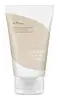 Key Ingredients
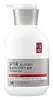
No key ingredients
Benefits
Concerns
Ingredients Side-by-side
Dioscorea Japonica Root Extract
Skin Conditioning
Methylpropanediol
SolventGlycerin
Humectant


Caprylic/Capric Triglyceride
Masking
Cetearyl Alcohol
Emollient





1,2-Hexanediol
Skin Conditioning
Glycereth-26
Humectant
Cetearyl Olivate
Water
Skin ConditioningPropylene Glycol Dicaprylate/Dicaprate
EmollientSorbitan Olivate
Emulsifying
Stearic Acid
Cleansing
Helianthus Annuus Seed Oil
Emollient
Sodium Hyaluronate
Humectant


Panthenol
Skin Conditioning
Hibiscus Esculentus Fruit Extract
Skin ConditioningNelumbo Nucifera Root Extract
Skin ConditioningUndaria Pinnatifida Extract
Skin ConditioningLaminaria Japonica Extract
Skin Protecting
Ceramide NP
Skin Conditioning
Ceramide Ns
Skin Conditioning
Ceramide As
Skin Conditioning
Ceramide AP
Skin Conditioning
Ceramide EOP
Skin Conditioning
Phytosphingosine
Skin Conditioning
Cholesterol
Emollient
Glycine Max Seed Extract
Skin ConditioningCocos Nucifera Fruit Extract
Emollient
Oryza Sativa Extract
Absorbent
Prunus Amygdalus Dulcis Seed Extract
Skin ConditioningAvena Sativa Meal Extract
SoothingMalt Extract
Skin ProtectingSimethicone
Emollient
Ammonium Acryloyldimethyltaurate/Vp Copolymer
Butylene Glycol
Humectant
Hydroxyethylcellulose
Emulsion StabilisingXanthan Gum
EmulsifyingHydrogenated Lecithin
Emulsifying
Citric Acid
Buffering

Disodium EDTA
Dioscorea Japonica Root Extract, Methylpropanediol, Glycerin, Caprylic/Capric Triglyceride, Cetearyl Alcohol, 1,2-Hexanediol, Glycereth-26, Cetearyl Olivate, Water, Propylene Glycol Dicaprylate/Dicaprate, Sorbitan Olivate, Stearic Acid, Helianthus Annuus Seed Oil, Sodium Hyaluronate, Panthenol, Hibiscus Esculentus Fruit Extract, Nelumbo Nucifera Root Extract, Undaria Pinnatifida Extract, Laminaria Japonica Extract, Ceramide NP, Ceramide Ns, Ceramide As, Ceramide AP, Ceramide EOP, Phytosphingosine, Cholesterol, Glycine Max Seed Extract, Cocos Nucifera Fruit Extract, Oryza Sativa Extract, Prunus Amygdalus Dulcis Seed Extract, Avena Sativa Meal Extract, Malt Extract, Simethicone, Ammonium Acryloyldimethyltaurate/Vp Copolymer, Butylene Glycol, Hydroxyethylcellulose, Xanthan Gum, Hydrogenated Lecithin, Citric Acid, Disodium EDTA
Water
Skin ConditioningGlycerin
Humectant
Pentaerythrityl Tetraethylhexanoate
Emollient
Hydrogenated Poly(C6-14 Olefin)
EmollientPanthenol
Skin Conditioning
Butyrospermum Parkii Butter
Skin Conditioning
C14-22 Alcohols
Emulsion Stabilising
Panax Ginseng Root Extract
Emollient
Pinus Koraiensis Seed Oil
Perfuming
Camellia Oleifera Leaf Extract
AstringentNelumbo Nucifera Germ Extract
Skin ConditioningSesamum Indicum Seed Oil
Emollient
Prunus Armeniaca Kernel Oil
Masking
Prunus Mume Fruit Extract
Humectant
Squalane
Emollient
C12-20 Alkyl Glucoside
EmulsifyingGlyceryl Stearate
Emollient
Glyceryl Caprylate
EmollientButylene Glycol
Humectant
Bis-Diglyceryl Polyacyladipate-2
Emollient
Cetearyl Alcohol
Emollient
Stearic Acid
Cleansing
Xanthan Gum
EmulsifyingCarbomer
Emulsion StabilisingPalmitic Acid
Emollient
Polysorbate 20
Emulsifying
Polyacrylate-13
Polyisobutene
Dimethicone
Emollient
Ethylhexylglycerin
Skin ConditioningDisodium EDTA
1,2-Hexanediol
Skin Conditioning
Potassium Hydroxide
BufferingParfum
Masking

Water, Glycerin, Pentaerythrityl Tetraethylhexanoate, Hydrogenated Poly(C6-14 Olefin), Panthenol, Butyrospermum Parkii Butter, C14-22 Alcohols, Panax Ginseng Root Extract, Pinus Koraiensis Seed Oil, Camellia Oleifera Leaf Extract, Nelumbo Nucifera Germ Extract, Sesamum Indicum Seed Oil, Prunus Armeniaca Kernel Oil, Prunus Mume Fruit Extract, Squalane, C12-20 Alkyl Glucoside, Glyceryl Stearate, Glyceryl Caprylate, Butylene Glycol, Bis-Diglyceryl Polyacyladipate-2, Cetearyl Alcohol, Stearic Acid, Xanthan Gum, Carbomer, Palmitic Acid, Polysorbate 20, Polyacrylate-13, Polyisobutene, Dimethicone, Ethylhexylglycerin, Disodium EDTA, 1,2-Hexanediol, Potassium Hydroxide, Parfum
Reviews
Ingredients Explained
These ingredients are found in both products.
Ingredients higher up in an ingredient list are typically present in a larger amount.
1,2-Hexanediol is a synthetic liquid and another multi-functional powerhouse.
It is a:
- Humectant, drawing moisture into the skin
- Emollient, helping to soften skin
- Solvent, dispersing and stabilizing formulas
- Preservative booster, enhancing the antimicrobial activity of other preservatives
Butylene Glycol (or BG) is used within cosmetic products for a few different reasons:
Overall, Butylene Glycol is a safe and well-rounded ingredient that works well with other ingredients.
Though this ingredient works well with most skin types, some people with sensitive skin may experience a reaction such as allergic rashes, closed comedones, or itchiness.
Learn more about Butylene GlycolCetearyl alcohol is a waxy mixture of two fatty alcohols: cetyl alcohol and stearyl alcohol. It is an emollient and emulsifier.
Despite having "alcohol" in its name, it has nothing to do with drying solvent alcohols; the FDA also allows "alcohol-free" products to contain fatty alcohols like this ingredient.
It plays several roles in a formula:
Typical use levels for this ingredient sit around 1-10% and the Cosmetic Ingredient Review Expert Panel has affirmed safety at concentrations up to 25% in leave-on products.
Multiple assessments have found it to be non-irritating and non-sensitizing to most people.
However, there have been some cases of allergic contact dermatitis in patients with chronically compromised skin barriers.
Cetearyl alcohol has a comedogenic rating of 2 and irritancy rating of 1. Both of these numbers come from the 1989 study that used rabbit ears; a "2" means mildly comedogenic and a "1" means low irritancy.
Here's the catch: rabbit skin is more sensitive than human skin and throws a lot of false positives. A 1996 reappraisal found that ingredients rated 1-2 in the rabbit ear tests are generally safe for humans.
Remember comedogenic ratings are unable to assess the entire formula of a product or how it will react on your skin. Just be sure to patch test if you are unsure about certain ingredients.
This ingredient is not fungal acne safe. Cetearyl alcohol is a fatty alcohol with chain lengths that fall within the range that Malassezia can metabolize.
A 2019 study has also observed Malassezia growth in the presence of this ingredient, confirming it to be not-fungal acne safe.
Learn more about Cetearyl AlcoholDisodium EDTA is a chelating agent. It grabs onto and deactivates metal ions that sneak into your products from water, packaging, or air.
This ingredient mainly works behind the scenes and helps with:
On top of that, this ingredient can counteract the effects of hard water by binding to the minerals in it.
One thing worth knowing is that Disodium EDTA has been shown to be a mild penetration enhancer. It can help other ingredients absorb into skin more effectively which can be a double-edged sword (great for actives, but can also make the active too strong if you have sensitive skin).
Clinical patch testing showed no significant skin irritation at typical use concentrations and minimal dermal absorption.
You'll most likely see this ingredient near the end of an ingredient list. It's typically found in concentrations less than 1%.
Learn more about Disodium EDTAGlycerin (or glycerol) is a compound naturally found in your skin. It's a powerhouse humectant that pulls water into the stratum corneum.
Topically, glycerin does several things at once:
Your skin makes glycerin on its own (mostly from sebaceous oil breakdown) and shuttles it to your outermost layer of skin, or your epidermis, via aquaporin-3.
Aquaporin-3 is a transporter that is essential for normal skin hydration, elasticity, and repair. Interestingly, mice lacking in AQP3 have dry and less elastic skin that can be fully corrected with glycerin.
This ingredient is non-irritating, plays well with almost every ingredient, and works across all skin types. Typical use is anywhere between 3-10% but can go up to 79% in some leave-on products.
Just know very high concentrations (>40%) can feel tacky in low humidity.
Glycerin is the name for this ingredient in American English. British English uses Glycerol/Glycerine.
Learn more about GlycerinPanthenol is a common ingredient that helps hydrate and soothe the skin. It is found naturally in our skin and hair.
There are two forms of panthenol: D and L.
D-panthenol is also known as dexpanthenol. Most cosmetics use dexpanthenol or a mixture of D and L-panthenol.
Panthenol is famous due to its ability to go deeper into the skin's layers. Using this ingredient has numerous pros (and no cons):
Like hyaluronic acid, panthenol is a humectant. Humectants are able to bind and hold large amounts of water to keep skin hydrated.
This ingredient works well for wound healing. It works by increasing tissue in the wound and helps close open wounds.
Once oxidized, panthenol converts to pantothenic acid. Panthothenic acid is found in all living cells.
This ingredient is also referred to as pro-vitamin B5.
Learn more about PanthenolStearic Acid is a fatty acid that is already found in your skin. It's one of the free fatty acids that works alongside ceramides and cholesterols to maintain your barrier.
In cosmetics, it is a multitasker:
Safety-wise, the CIR Expert Panel has concluded it to be safe in cosmetics when formulated to be non-irritating and non-sensitizing.
Free stearic acid is a C18 fatty acid that the Malassezia yeast can substrate, so this ingredient may not be fungal acne safe.
Learn more about Stearic AcidWater. It's the most common cosmetic ingredient of all. You'll usually see it at the top of ingredient lists, meaning that it makes up the largest part of the product.
So why is it so popular? Water most often acts as a solvent - this means that it helps dissolve other ingredients into the formulation.
You'll also recognize water as that liquid we all need to stay alive. If you see this, drink a glass of water. Remember to stay hydrated!
Learn more about WaterXanthan gum is used as a stabilizer and thickener within cosmetic products. It helps give products a sticky, thick feeling - preventing them from being too runny.
On the technical side of things, xanthan gum is a polysaccharide - a combination consisting of multiple sugar molecules bonded together.
Xanthan gum is a pretty common and great ingredient. It is a natural, non-toxic, non-irritating ingredient that is also commonly used in food products.
Learn more about Xanthan Gum

