
What's inside
What's inside
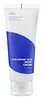 Key Ingredients
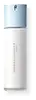
Benefits
Concerns
Ingredients Side-by-side
Water
Skin ConditioningGlycerin
Humectant


Hydrogenated Polydecene
EmollientCaprylic/Capric Triglyceride
Masking
Dipropylene Glycol
HumectantCyclohexasiloxane
Emollient
Butyrospermum Parkii Butter
Skin Conditioning


Polyglyceryl-3 Methylglucose Distearate
Emulsifying
Cetyl Alcohol
Emollient
Glycereth-26
Humectant
Glyceryl Stearate
Emollient
Betaine
Humectant
Behenyl Alcohol
Emollient
Vinyldimethicone
Pentylene Glycol
Skin Conditioning
Laminaria Japonica Extract
Skin Protecting
Eclipta Prostrata Leaf Extract
Skin ConditioningAvena Sativa Kernel Extract
Abrasive

Cynara Scolymus Leaf Extract
Skin ConditioningPrunus Armeniaca Kernel Oil
Masking
Argania Spinosa Kernel Oil
Emollient

Carthamus Tinctorius Seed Oil
Masking
Sodium Hyaluronate
Humectant

Hydrogenated Lecithin
Emulsifying
Camellia Sinensis Leaf Water
Masking
Polyglyceryl-10 Laurate
Skin Conditioning
Pentaerythrityl Distearate
Emulsifying
Ammonium Acryloyldimethyltaurate/Vp Copolymer
Glyceryl Caprylate
EmollientSodium Stearoyl Glutamate
CleansingMethylpropanediol
SolventFructooligosaccharides
Humectant
Disodium EDTA
Beta-Glucan
Skin Conditioning
Hydrolyzed Hyaluronic Acid
Humectant
Polyquaternium-51
Skin Conditioning
Butylene Glycol
Humectant
Hydroxypropyltrimonium Hyaluronate
Dimethylsilanol Hyaluronate
Humectant
Hydrolyzed Sodium Hyaluronate
Skin Conditioning
Potassium Hyaluronate
Skin ConditioningHyaluronic Acid
Humectant
Sodium Hyaluronate Crosspolymer
Humectant
Sodium Acetylated Hyaluronate
Humectant
Sodium Hyaluronate Dimethylsilanol
Humectant1,2-Hexanediol
Skin Conditioning
Hydroxyacetophenone
Antioxidant
Ethylhexylglycerin
Skin ConditioningWater, Glycerin, Hydrogenated Polydecene, Caprylic/Capric Triglyceride, Dipropylene Glycol, Cyclohexasiloxane, Butyrospermum Parkii Butter, Polyglyceryl-3 Methylglucose Distearate, Cetyl Alcohol, Glycereth-26, Glyceryl Stearate, Betaine, Behenyl Alcohol, Vinyldimethicone, Pentylene Glycol, Laminaria Japonica Extract, Eclipta Prostrata Leaf Extract, Avena Sativa Kernel Extract, Cynara Scolymus Leaf Extract, Prunus Armeniaca Kernel Oil, Argania Spinosa Kernel Oil, Carthamus Tinctorius Seed Oil, Sodium Hyaluronate, Hydrogenated Lecithin, Camellia Sinensis Leaf Water, Polyglyceryl-10 Laurate, Pentaerythrityl Distearate, Ammonium Acryloyldimethyltaurate/Vp Copolymer, Glyceryl Caprylate, Sodium Stearoyl Glutamate, Methylpropanediol, Fructooligosaccharides, Disodium EDTA, Beta-Glucan, Hydrolyzed Hyaluronic Acid, Polyquaternium-51, Butylene Glycol, Hydroxypropyltrimonium Hyaluronate, Dimethylsilanol Hyaluronate, Hydrolyzed Sodium Hyaluronate, Potassium Hyaluronate, Hyaluronic Acid, Sodium Hyaluronate Crosspolymer, Sodium Acetylated Hyaluronate, Sodium Hyaluronate Dimethylsilanol, 1,2-Hexanediol, Hydroxyacetophenone, Ethylhexylglycerin
Water
Skin ConditioningButylene Glycol
Humectant
Methyl Trimethicone
Skin Conditioning
Cetyl Ethylhexanoate
EmollientPolyglyceryl-3 Distearate
Emulsifying
Glyceryl Stearate Citrate
Emollient
Cetearyl Alcohol
Emollient
PCA Dimethicone
Skin Conditioning
1,2-Hexanediol
Skin Conditioning
Silica
Abrasive
Hydrogenated Poly(C6-14 Olefin)
EmollientNiacinamide
Smoothing



Hydroxyethyl Acrylate/Sodium Acryloyldimethyl Taurate Copolymer
Emulsion StabilisingCarbomer
Emulsion StabilisingTromethamine
BufferingGlyceryl Caprylate
EmollientParfum
Masking


Ethylhexylglycerin
Skin ConditioningDisodium EDTA
Mentha Arvensis Leaf Extract
MaskingHydrolyzed Hyaluronic Acid
Humectant
Propanediol
Solvent
Sorbitan Isostearate
Emulsifying
Aureobasidium Pullulans Ferment
Skin ConditioningGluconolactone
Skin Conditioning
Lactobacillus/Soybean Ferment Extract
Skin ConditioningYeast Ferment Extract
Skin ConditioningTocopherol
Antioxidant
Undaria Pinnatifida Extract
Skin ConditioningWater, Butylene Glycol, Methyl Trimethicone, Cetyl Ethylhexanoate, Polyglyceryl-3 Distearate, Glyceryl Stearate Citrate, Cetearyl Alcohol, PCA Dimethicone, 1,2-Hexanediol, Silica, Hydrogenated Poly(C6-14 Olefin), Niacinamide, Hydroxyethyl Acrylate/Sodium Acryloyldimethyl Taurate Copolymer, Carbomer, Tromethamine, Glyceryl Caprylate, Parfum, Ethylhexylglycerin, Disodium EDTA, Mentha Arvensis Leaf Extract, Hydrolyzed Hyaluronic Acid, Propanediol, Sorbitan Isostearate, Aureobasidium Pullulans Ferment, Gluconolactone, Lactobacillus/Soybean Ferment Extract, Yeast Ferment Extract, Tocopherol, Undaria Pinnatifida Extract
Reviews
Ingredients Explained
These ingredients are found in both products.
Ingredients higher up in an ingredient list are typically present in a larger amount.
1,2-Hexanediol is a synthetic liquid and another multi-functional powerhouse.
It is a:
- Humectant, drawing moisture into the skin
- Emollient, helping to soften skin
- Solvent, dispersing and stabilizing formulas
- Preservative booster, enhancing the antimicrobial activity of other preservatives
Butylene Glycol (or BG) is used within cosmetic products for a few different reasons:
Overall, Butylene Glycol is a safe and well-rounded ingredient that works well with other ingredients.
Though this ingredient works well with most skin types, some people with sensitive skin may experience a reaction such as allergic rashes, closed comedones, or itchiness.
Learn more about Butylene GlycolDisodium EDTA is a chelating agent. It grabs onto and deactivates metal ions that sneak into your products from water, packaging, or air.
This ingredient mainly works behind the scenes and helps with:
On top of that, this ingredient can counteract the effects of hard water by binding to the minerals in it.
One thing worth knowing is that Disodium EDTA has been shown to be a mild penetration enhancer. It can help other ingredients absorb into skin more effectively which can be a double-edged sword (great for actives, but can also make the active too strong if you have sensitive skin).
Clinical patch testing showed no significant skin irritation at typical use concentrations and minimal dermal absorption.
You'll most likely see this ingredient near the end of an ingredient list. It's typically found in concentrations less than 1%.
Learn more about Disodium EDTAEthylhexylglycerin is created from glycerin. It is a multitasker ingredient that:
The CIR Expert Panel found minimal skin absorption or sensitization of any kind in a safety assessment. Though this ingredient is considered well-tolerated, a small number of cases of allergic dermatitis have been published since 2002. Just be sure to patch test if you are unsure.
Industry-reported use ranges from 8% in rinse-off products and 2% in leave-on formulations.
Learn more about EthylhexylglycerinGlyceryl Caprylate comes from glycerin and caprylic acid. It is an emollient, co-emulsifier, and preservative booster.
Its short C8 fatty acid chain makes it behave differently from its longer-chain emollient cousins like Glyceryl Stearate. It feels more lightweight, fast-absorbing, and silky instead of rich and waxy.
As a co-emulsifier, its "head" and "tail" sit at the oil-water interface. But overall, the short C8 tail and not being water soluble means it doesn't really have the muscle to emulsify a formula on its own. That's why you'll often see it paired with a primary emulsifier like Cetearyl Glucoside.
Interestingly, Glyceryl Caprylate acts as a preservative booster. This is because its fatty-acid backbone disrupts microbial lipid membranes. It shows excellent activity against bacteria and yeast but is weaker against mold.
Typical concentrations range from 0.5-1% and this ingredient is generally non-irritating.
Because this ingredient has a C8 fatty acid chain, it is outside the range that the Malassezia yeast metabolizes (making it fungal acne safe).
Learn more about Glyceryl CaprylateHydrolyzed Hyaluronic Acid is hyaluronic acid (HA) that is broken down into lower molecular weight fragments.
It's a humectant that pulls and holds water in the skin to help with hydration, plumpness, and reduce transepidermal water loss.
Because hydrolyzed hyaluronic acid is smaller in size, it can slip past your outermost layer of skin more easily than full-sized HA.
Most formulations will combine all sizes to get the best of both worlds.
Typical usage levels range from 0.01-1%. Any percentage higher than 2% might become goopy and tacky.
Learn more about Hydrolyzed Hyaluronic AcidWater. It's the most common cosmetic ingredient of all. You'll usually see it at the top of ingredient lists, meaning that it makes up the largest part of the product.
So why is it so popular? Water most often acts as a solvent - this means that it helps dissolve other ingredients into the formulation.
You'll also recognize water as that liquid we all need to stay alive. If you see this, drink a glass of water. Remember to stay hydrated!
Learn more about Water
