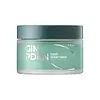
This anti-aging overnight mask is formulated around Sodium DNA and Copper Tripeptide-1 to soften the look of wrinkles.
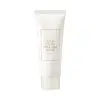
This wash off mask is made with Niacinamide and Oryza Sativa Extract for a rinse-off brightening boost.

What's inside
What's inside
 Key Ingredients
Benefits
Concerns
No concerns
Ingredients Side-by-side
Water
Skin ConditioningPropanediol
Solvent

Glycerin
Humectant
Methyl Trimethicone
Skin Conditioning
Dimethiconol
Emollient
Vinyldimethicone
1,2-Hexanediol
Skin Conditioning
Porphyra Yezoensis Extract
Skin ConditioningAmmonium Acryloyldimethyltaurate/Vp Copolymer
Polypropylsilsesquioxane
Dimethicone/Vinyl Dimethicone Crosspolymer
Skin Conditioning
Hydroxyacetophenone
Antioxidant
Coptis Japonica Root Extract
Skin ConditioningButylene Glycol
Humectant
Disodium EDTA
ChelatingEthylhexylglycerin
Skin ConditioningTocopherol
Antioxidant




Caprylic/Capric Triglyceride
Masking
Hydrogenated Lecithin
Emulsifying
Sodium DNA
Skin Conditioning
Adenosine
Skin Conditioning
Caprylyl Glycol
Emollient
Acetyl Hexapeptide-8
Humectant
Copper Tripeptide-1
Skin Conditioning
Palmitoyl Tetrapeptide-7
Skin Conditioning
Nonapeptide-1
Skin Conditioning
Tripeptide-1
Skin Conditioning
Palmitoyl Pentapeptide-4
Skin Conditioning
Palmitoyl Tripeptide-1
Skin Conditioning
Hexapeptide-9
Skin Conditioning
Undaria Pinnatifida Extract
Skin ConditioningMaltodextrin
Absorbent
Hydrolyzed Gardenia Florida Extract
Antioxidant
Sodium Hyaluronate
Humectant
Hydroxypropyltrimonium Hyaluronate
Sodium Acetylated Hyaluronate
Humectant
Hydrolyzed Hyaluronic Acid
Humectant
Hyaluronic Acid
Humectant
Sodium Hyaluronate Crosspolymer
Humectant
Potassium Hyaluronate
Skin ConditioningLactobacillus Ferment
Skin Conditioning
Hydrolyzed Sodium Hyaluronate
Skin Conditioning
Panthenol
Skin Conditioning
Gluconolactone
Chelating



Water, Propanediol, Glycerin, Methyl Trimethicone, Dimethiconol, Vinyldimethicone, 1,2-Hexanediol, Porphyra Yezoensis Extract, Ammonium Acryloyldimethyltaurate/Vp Copolymer, Polypropylsilsesquioxane, Dimethicone/Vinyl Dimethicone Crosspolymer, Hydroxyacetophenone, Coptis Japonica Root Extract, Butylene Glycol, Disodium EDTA, Ethylhexylglycerin, Tocopherol, Caprylic/Capric Triglyceride, Hydrogenated Lecithin, Sodium DNA, Adenosine, Caprylyl Glycol, Acetyl Hexapeptide-8, Copper Tripeptide-1, Palmitoyl Tetrapeptide-7, Nonapeptide-1, Tripeptide-1, Palmitoyl Pentapeptide-4, Palmitoyl Tripeptide-1, Hexapeptide-9, Undaria Pinnatifida Extract, Maltodextrin, Hydrolyzed Gardenia Florida Extract, Sodium Hyaluronate, Hydroxypropyltrimonium Hyaluronate, Sodium Acetylated Hyaluronate, Hydrolyzed Hyaluronic Acid, Hyaluronic Acid, Sodium Hyaluronate Crosspolymer, Potassium Hyaluronate, Lactobacillus Ferment, Hydrolyzed Sodium Hyaluronate, Panthenol, Gluconolactone
Water
Skin ConditioningOctyldodecanol
Emollient
Polyvinyl Alcohol
Methylpropanediol
SolventButylene Glycol
Humectant
Caprylic/Capric Triglyceride
Masking
1,2-Hexanediol
Skin Conditioning
Simmondsia Chinensis Seed Oil
Emollient


Niacinamide
Smoothing
Algin
MaskingPolyglyceryl-10 Oleate
Skin Conditioning
Polysorbate 80
Emulsifying
Pentaerythrityl Tetraethylhexanoate
Emollient
Pullulan
Sphingomonas Ferment Extract
Skin Conditioning
Oryza Sativa Extract
Absorbent
Glyceryl Stearate
Emollient
PEG-100 Stearate
Surfactant
Panthenol
Skin Conditioning
Disteardimonium Hectorite
StabilisingSodium Polystyrene Sulfonate
Emulsion StabilisingMicrocrystalline Cellulose
AbsorbentTocopheryl Acetate
Antioxidant
Ethylhexylglycerin
Skin ConditioningAllantoin
Skin Conditioning
Adenosine
Skin Conditioning
Cellulose Gum
Emulsion StabilisingSodium Phytate
ChelatingTocopherol
Antioxidant
Ceramide NP
Skin Conditioning
Citric Acid
Buffering
Soluble Proteoglycan
Skin ConditioningHydrolyzed Rice Protein
Skin ConditioningRice Amino Acids
Skin Conditioning
Silica
Abrasive
Kaolin
Abrasive
Water, Octyldodecanol, Polyvinyl Alcohol, Methylpropanediol, Butylene Glycol, Caprylic/Capric Triglyceride, 1,2-Hexanediol, Simmondsia Chinensis Seed Oil, Niacinamide, Algin, Polyglyceryl-10 Oleate, Polysorbate 80, Pentaerythrityl Tetraethylhexanoate, Pullulan, Sphingomonas Ferment Extract, Oryza Sativa Extract, Glyceryl Stearate, PEG-100 Stearate, Panthenol, Disteardimonium Hectorite, Sodium Polystyrene Sulfonate, Microcrystalline Cellulose, Tocopheryl Acetate, Ethylhexylglycerin, Allantoin, Adenosine, Cellulose Gum, Sodium Phytate, Tocopherol, Ceramide NP, Citric Acid, Soluble Proteoglycan, Hydrolyzed Rice Protein, Rice Amino Acids, Silica, Kaolin
Reviews
Ingredients Explained
These ingredients are found in both products.
Ingredients higher up in an ingredient list are typically present in a larger amount.
1,2-Hexanediol is a synthetic liquid and another multi-functional powerhouse.
It is a:
- Humectant, drawing moisture into the skin
- Emollient, helping to soften skin
- Solvent, dispersing and stabilizing formulas
- Preservative booster, enhancing the antimicrobial activity of other preservatives
Adenosine is a purine nucleoside that your body already makes in every cell. In skincare, it acts mainly as a skin conditioning and anti-aging agent.
The way it works is fairly well mapped out:
Your skin has cells called fibroblasts that build collagen (the stuff that keeps skin firm and smooth). Adenosine basically flips a switch on these cells that tells them to get to work making more collagen and other proteins. These cells slow down on their own as skin ages, so Adenosine helps give them a little nudge to keep going.
The clinical backing is pretty solid too.
A blind, randomized, placebo-controlled trial of 126 women aged 45-65 tested a 0.1% cream twice daily and found real improvements in crow's feet and frown lines using a precise 3D skin-mapping technique; these changes showed up by week 3 and held at 2 months.
A later study using Adenosine-loaded dissolving microneedle patches reported gains in wrinkle depth, dermal density, elasticity, and hydration.
On concentrations, South Korea's Ministry of Food and Drug Safety has set 0.04% as the approved functional anti-wrinkle level. You'll typically see this ingredient used somewhere in the 0.04-0.1% range since it works at low doses.
This ingredient has been found safe for cosmetics with the data showing no irritation or sensitization.
Overall, this is a great ingredient for any anti-aging routine and has no photosensitizing effect, so it suits both AM and PM use.
Learn more about AdenosineButylene Glycol (or BG) is used within cosmetic products for a few different reasons:
Overall, Butylene Glycol is a safe and well-rounded ingredient that works well with other ingredients.
Though this ingredient works well with most skin types, some people with sensitive skin may experience a reaction such as allergic rashes, closed comedones, or itchiness.
Learn more about Butylene GlycolCaprylic/Capric Triglyceride (aka MCT Oil) is a lightweight emollient, solvent, and texture enhancer. It is considered a skin-softener by helping to prevent moisture loss.
Though it behaves like an oil, it is not technically one due to its chemical composition. One perk of this ingredient is that it is very stable, resistant to oxidation, and unlikely to go rancid.
In practice, that translates to a long shelf life and a consistently elegant skin feel.
While there is an assumption Caprylic Triglyceride can clog pores due to it being derived from coconut oil, there is no research supporting this. Just patch test if you have concerns.
Fractionated coconut oil and MCT Oil are both listed as Caprylic/Capric Triglyceride according to INCI. This is because INCI names are based on the ingredient’s final chemical composition and not its marketing name or source.
This ingredient is treated as the gold standard fungal acne safe oil. Even though it is coconut derived, the problematic lauric acid is stripped out.
This leaves just caprylic (C8) and capric (C10) acid. These chain lengths actually trend antifungal; a 2020 study found caprylic acid was enough to disrupt Malassezia furfur cell membrane, with a caprylic acid derivative damaging membrane structures at concentrations as low as 0.2%.
Learn more about Caprylic/Capric TriglycerideEthylhexylglycerin is created from glycerin. It is a multitasker ingredient that:
The CIR Expert Panel found minimal skin absorption or sensitization of any kind in a safety assessment. Though this ingredient is considered well-tolerated, a small number of cases of allergic dermatitis have been published since 2002. Just be sure to patch test if you are unsure.
Industry-reported use ranges from 8% in rinse-off products and 2% in leave-on formulations.
Learn more about EthylhexylglycerinPanthenol is a common ingredient that helps hydrate and soothe the skin. It is found naturally in our skin and hair.
There are two forms of panthenol: D and L.
D-panthenol is also known as dexpanthenol. Most cosmetics use dexpanthenol or a mixture of D and L-panthenol.
Panthenol is famous due to its ability to go deeper into the skin's layers. Using this ingredient has numerous pros (and no cons):
Like hyaluronic acid, panthenol is a humectant. Humectants are able to bind and hold large amounts of water to keep skin hydrated.
This ingredient works well for wound healing. It works by increasing tissue in the wound and helps close open wounds.
Once oxidized, panthenol converts to pantothenic acid. Panthothenic acid is found in all living cells.
This ingredient is also referred to as pro-vitamin B5.
Learn more about PanthenolTocopherol is a fat-soluble antioxidant known as Vitamin E.
You'll find this ingredient in the vast majority of skincare (for good reason). It works to neutralize free radicals, or unstable molecules generated by UV exposure, pollution, and other environmental stressors, before they can cause oxidative damage to your skin cells.
Topically applied tocopherol has been shown to protect against UV damage by ramping up the skin's own natural defense enzymes.
It also acts as a skin conditioning agent; some studies show that regular topical use can improve the skin's water-binding capacity over 2-4 weeks.
This ingredient is especially loved for being a team player. When combined with Vitamin C, the photoprotective effect of both ingredients roughly doubles and the combo also helps reduce UV-induced DNA damage.
This ingredient has some brightening potential but it's more of a prevention ingredient than spot-fader. Cell studies show it can slow down melanin production but it's worth noting that it's not the most powerful brightener out there.
In formulations, it also serves as a stabilizer that helps protect other oxidation-prone ingredients from degrading.
Concentrations usually range from 0.1-1% in most leave-on products.
Learn more about TocopherolWater. It's the most common cosmetic ingredient of all. You'll usually see it at the top of ingredient lists, meaning that it makes up the largest part of the product.
So why is it so popular? Water most often acts as a solvent - this means that it helps dissolve other ingredients into the formulation.
You'll also recognize water as that liquid we all need to stay alive. If you see this, drink a glass of water. Remember to stay hydrated!
Learn more about Water

