This hydrating serum is formulated around Pseudoalteromonas Ferment Extract and Hydrolyzed Hyaluronic Acid to hydrate skin and soften the look of wrinkles.
This anti-aging serum is formulated around Retinol and Retinyl Retinoate to soften the look of wrinkles and refine skin texture.


What's inside
What's inside
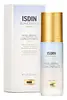 Key Ingredients
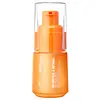
Benefits
Concerns
Ingredients Side-by-side
Water
Skin ConditioningDimethicone
Emollient

Propanediol
Solvent

Glycerin
Humectant
1,2-Hexanediol
Skin Conditioning
Sodium Acrylates Copolymer
Dimethicone Crosspolymer
Emulsion Stabilising
Butylene Glycol
Humectant
Pseudoalteromonas Ferment Extract
Humectant


Glycereth-26
Humectant
Lecithin
Emollient
Maltodextrin
Absorbent
Sodium Benzoate
Masking
Pentylene Glycol
Skin Conditioning
Lens Esculenta Seed Extract
Skin ProtectingParfum
Masking



Disodium EDTA
ChelatingHydrolyzed Hyaluronic Acid
Humectant

Sodium Hyaluronate
Humectant
Xanthan Gum
EmulsifyingCitric Acid
Buffering

Biosaccharide Gum-1
Humectant
Carbomer
Emulsion StabilisingPolysorbate 20
Emulsifying
Sodium Lactate
Buffering
Sodium Salicylate
Preservative
Salicylic Acid
Masking




Palmitoyl Tripeptide-1
Skin Conditioning
Palmitoyl Tetrapeptide-7
Skin Conditioning
Water, Dimethicone, Propanediol, Glycerin, 1,2-Hexanediol, Sodium Acrylates Copolymer, Dimethicone Crosspolymer, Butylene Glycol, Pseudoalteromonas Ferment Extract, Glycereth-26, Lecithin, Maltodextrin, Sodium Benzoate, Pentylene Glycol, Lens Esculenta Seed Extract, Parfum, Disodium EDTA, Hydrolyzed Hyaluronic Acid, Sodium Hyaluronate, Xanthan Gum, Citric Acid, Biosaccharide Gum-1, Carbomer, Polysorbate 20, Sodium Lactate, Sodium Salicylate, Salicylic Acid, Palmitoyl Tripeptide-1, Palmitoyl Tetrapeptide-7
Water
Skin ConditioningPropylene Glycol
Humectant
Sorbitol
Humectant
Erythritol
Humectant
Retinol
Skin Conditioning

Retinyl Palmitate
Skin Conditioning
Retinyl Retinoate
Skin Conditioning
Retinyl Linoleate
Skin Conditioning
Retinyl Acetate
Skin Conditioning
Retinyl Propionate
Skin Conditioning
Carbomer
Emulsion StabilisingHydroxyacetophenone
Antioxidant
Propanediol
Solvent
Centella Asiatica Extract
Cleansing
Polysorbate 80
Emulsifying
Polyglyceryl-10 Myristate
Skin Conditioning
Caprylhydroxamic Acid
ChelatingEthylhexylglycerin
Skin ConditioningPEG-40 Hydrogenated Castor Oil
Emulsifying
Potassium Hydroxide
BufferingIsononyl Isononanoate
EmollientCaprylic/Capric Triglyceride
Masking
Paeonia Suffruticosa Root Extract
Skin ProtectingGlyceryl Caprylate
EmollientCeramide Ns
Skin Conditioning
Ceramide NP
Skin Conditioning
Ceramide Ng
Skin Conditioning
Ceramide Eos
Skin Conditioning
Ceramide EOP
Skin Conditioning
Ceramide As
Skin Conditioning
Ceramide AP
Skin Conditioning
Resveratrol
Antioxidant
Bifida Ferment Extract
Humectant
Camellia Reticulata Seed Oil
Emollient
Hexapeptide-8
Skin Conditioning
Hydrolyzed Hyaluronic Acid
Humectant
Hyaluronic Acid
Humectant
Sodium Hyaluronate
Humectant
Tocopheryl Acetate
Antioxidant
Oligopeptide-1
Skin Conditioning
Carnosine
Skin Conditioning
Sodium Acetylated Hyaluronate
Humectant
Hydroxypropyltrimonium Hyaluronate
Hydrogenated Lecithin
Emulsifying
BHT
Antioxidant
Water, Propylene Glycol, Sorbitol, Erythritol, Retinol, Retinyl Palmitate, Retinyl Retinoate, Retinyl Linoleate, Retinyl Acetate, Retinyl Propionate, Carbomer, Hydroxyacetophenone, Propanediol, Centella Asiatica Extract, Polysorbate 80, Polyglyceryl-10 Myristate, Caprylhydroxamic Acid, Ethylhexylglycerin, PEG-40 Hydrogenated Castor Oil, Potassium Hydroxide, Isononyl Isononanoate, Caprylic/Capric Triglyceride, Paeonia Suffruticosa Root Extract, Glyceryl Caprylate, Ceramide Ns, Ceramide NP, Ceramide Ng, Ceramide Eos, Ceramide EOP, Ceramide As, Ceramide AP, Resveratrol, Bifida Ferment Extract, Camellia Reticulata Seed Oil, Hexapeptide-8, Hydrolyzed Hyaluronic Acid, Hyaluronic Acid, Sodium Hyaluronate, Tocopheryl Acetate, Oligopeptide-1, Carnosine, Sodium Acetylated Hyaluronate, Hydroxypropyltrimonium Hyaluronate, Hydrogenated Lecithin, BHT
Ingredients Explained
These ingredients are found in both products.
Ingredients higher up in an ingredient list are typically present in a larger amount.
Carbomer is a synthetic thickening and gelling agent. It's basically the ingredient that gives a lot of serums, gels, creams, and sunscreens their smooth, non-sticky texture.
Although legally permitted at very high levels, carbomers are normally used at concentrations below 1%.
It also needs to be neutralized to actually thicken, and because it is a large molecule, it doesn't really penetrate the skin barrier.
Allergy-wise, the risk is very low. Clinical studies show carbomers have low potential for skin irritation/sensitization even at concentrations up to 100%.
A 2024 UK study patch-tested 1,302 patients and found true allergy to the parent group of carbomer to be rare with no confirmed relevant reactions.
Learn more about CarbomerHydrolyzed Hyaluronic Acid is hyaluronic acid (HA) that is broken down into lower molecular weight fragments.
It's a humectant that pulls and holds water in the skin to help with hydration, plumpness, and reduce transepidermal water loss.
Because hydrolyzed hyaluronic acid is smaller in size, it can slip past your outermost layer of skin more easily than full-sized HA.
Most formulations will combine all sizes to get the best of both worlds.
Typical usage levels range from 0.01-1%. Any percentage higher than 2% might become goopy and tacky.
Learn more about Hydrolyzed Hyaluronic AcidPropanediol is an all-star ingredient. It softens, hydrates, and smooths the skin.
It’s often used to:
Propanediol is not likely to cause sensitivity and considered safe to use. It is derived from corn or petroleum with a clear color and no scent.
Learn more about PropanediolSodium Hyaluronate is the salt form of hyaluronic acid. It is a long sugar chain that is naturally found in your skin, joints, and connective tissue that maintains hydration and elasticity.
In skincare, it works as a humectant. It pulls water from the environment and deeper layers of skin and binds it to the surface.
Interestingly, the size of the molecule affects its behavior:
Some clinical evidence links low molecular weight versions to improved wrinkle depth, elasticity, anti-inflammatory effects, and barrier repair.
Many serums use a blend of both weights so you can get surface hydration plus longer-lasting and deeper effects.
You'll typically see concentrations between 0.1-2% for this ingredient.
Learn more about Sodium HyaluronateWater. It's the most common cosmetic ingredient of all. You'll usually see it at the top of ingredient lists, meaning that it makes up the largest part of the product.
So why is it so popular? Water most often acts as a solvent - this means that it helps dissolve other ingredients into the formulation.
You'll also recognize water as that liquid we all need to stay alive. If you see this, drink a glass of water. Remember to stay hydrated!
Learn more about Water

