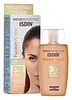
This chemical sunscreen covers the full UV range and blocks ~98% of UVB at SPF 50.
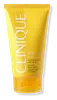
This calming after sun care is formulated around Aloe Barbadensis Leaf Juice and Chamomilla Recutita Extract to calm redness and hydrate skin.


What's inside
What's inside
 Key Ingredients
Benefits
Concerns
Ingredients Side-by-side
Water
Skin ConditioningOctocrylene
UV Absorber



Propanediol
Solvent

Butyl Methoxydibenzoylmethane
UV Absorber
Ethylhexyl Salicylate
UV Absorber
Polymethyl Methacrylate

CI 77891
Cosmetic ColorantPhenylbenzimidazole Sulfonic Acid
UV Absorber
Polysilicone-15
UV Filter
Caprylic/Capric Triglyceride
Masking
Hydrogenated Polydecene
EmollientPropylene Glycol Dicaprylate/Dicaprate
EmollientTromethamine
BufferingBis-Ethylhexyloxyphenol Methoxyphenyl Triazine
UV Absorber
Silica
Abrasive

CI 77492
Cosmetic Colorant1,2-Hexanediol
Skin Conditioning
Hydroxyacetophenone
Antioxidant
Magnesium Aluminum Silicate
Absorbent
Polysorbate 60
Emulsifying

Disteardimonium Hectorite
StabilisingCaprylyl Glycol
Emollient
Tocopheryl Acetate
Antioxidant

Xanthan Gum
EmulsifyingCI 77491
Cosmetic ColorantPropylene Carbonate
SolventCI 77499
Cosmetic ColorantDisodium EDTA
ChelatingParfum
Masking

Aluminum Hydroxide
EmollientPEG-8
HumectantSodium Lauroyl Glutamate
SurfactantLysine
Skin ConditioningTocopherol
Antioxidant


Magnesium Chloride
Ascorbyl Palmitate
Antioxidant

Ascorbic Acid
Antioxidant
Citric Acid
Buffering
Water, Octocrylene, Propanediol, Butyl Methoxydibenzoylmethane, Ethylhexyl Salicylate, Polymethyl Methacrylate, CI 77891, Phenylbenzimidazole Sulfonic Acid, Polysilicone-15, Caprylic/Capric Triglyceride, Hydrogenated Polydecene, Propylene Glycol Dicaprylate/Dicaprate, Tromethamine, Bis-Ethylhexyloxyphenol Methoxyphenyl Triazine, Silica, CI 77492, 1,2-Hexanediol, Hydroxyacetophenone, Magnesium Aluminum Silicate, Polysorbate 60, Disteardimonium Hectorite, Caprylyl Glycol, Tocopheryl Acetate, Xanthan Gum, CI 77491, Propylene Carbonate, CI 77499, Disodium EDTA, Parfum, Aluminum Hydroxide, PEG-8, Sodium Lauroyl Glutamate, Lysine, Tocopherol, Magnesium Chloride, Ascorbyl Palmitate, Ascorbic Acid, Citric Acid
Water
Skin ConditioningAloe Barbadensis Leaf Juice
Skin Conditioning
Butylene Glycol
Humectant
Hydrogenated Polyisobutene
EmollientPEG-8
HumectantPentaerythrityl Tetraethylhexanoate
Emollient
Caprylic/Capric/Myristic/Stearic Triglyceride
EmollientGlyceryl Stearate
Emollient
PEG-100 Stearate
Surfactant
Triticum Vulgare Germ Extract
Skin ConditioningHordeum Vulgare Extract
EmollientPerilla Ocymoides Leaf Extract
TonicStearic Acid
Cleansing
Tribehenin
Emollient
Micrococcus Lysate
Skin ConditioningChamomilla Recutita Extract
Skin Conditioning
Cholesterol
Emollient
Isostearic Acid
Cleansing
Cetearyl Alcohol
Emollient
Lecithin
Emollient
Tocopheryl Acetate
Antioxidant
Bis-Diglyceryl Polyacyladipate-2
Emollient
Sucrose
Humectant
Polysorbate 60
Emulsifying
Tromethamine
BufferingDimethicone
Emollient
Caprylyl Glycol
Emollient
Sodium Hyaluronate
Humectant
Linoleic Acid
Cleansing
Squalane
Emollient
Stearyl Alcohol
Emollient
Sodium Beta-Sitosteryl Sulfate
Skin ConditioningMagnesium Ascorbyl Phosphate
Antioxidant
Hexylene Glycol
EmulsifyingCarbomer
Emulsion StabilisingDisodium EDTA
ChelatingPhenoxyethanol
Preservative
CI 42090
Cosmetic ColorantCI 19140
Cosmetic ColorantCI 61570
Cosmetic ColorantWater, Aloe Barbadensis Leaf Juice, Butylene Glycol, Hydrogenated Polyisobutene, PEG-8, Pentaerythrityl Tetraethylhexanoate, Caprylic/Capric/Myristic/Stearic Triglyceride, Glyceryl Stearate, PEG-100 Stearate, Triticum Vulgare Germ Extract, Hordeum Vulgare Extract, Perilla Ocymoides Leaf Extract, Stearic Acid, Tribehenin, Micrococcus Lysate, Chamomilla Recutita Extract, Cholesterol, Isostearic Acid, Cetearyl Alcohol, Lecithin, Tocopheryl Acetate, Bis-Diglyceryl Polyacyladipate-2, Sucrose, Polysorbate 60, Tromethamine, Dimethicone, Caprylyl Glycol, Sodium Hyaluronate, Linoleic Acid, Squalane, Stearyl Alcohol, Sodium Beta-Sitosteryl Sulfate, Magnesium Ascorbyl Phosphate, Hexylene Glycol, Carbomer, Disodium EDTA, Phenoxyethanol, CI 42090, CI 19140, CI 61570
Reviews
Ingredients Explained
These ingredients are found in both products.
Ingredients higher up in an ingredient list are typically present in a larger amount.
Caprylyl Glycol is a humectant, skin conditioner, emollient, and preservative booster derived from either caprylic acid or synthetically created.
Typical use levels vary from 0.3-1% as a preservative booster and go up to 2% to condition skin.
Because it is not a free-fatty acid, this ingredient is fungal acne safe (there's nothing for Malassezia to feed on).
Learn more about Caprylyl GlycolDisodium EDTA is a chelating agent. It grabs onto and deactivates metal ions that sneak into your products from water, packaging, or air.
This ingredient mainly works behind the scenes and helps with:
On top of that, this ingredient can counteract the effects of hard water by binding to the minerals in it.
One thing worth knowing is that Disodium EDTA has been shown to be a mild penetration enhancer. It can help other ingredients absorb into skin more effectively which can be a double-edged sword (great for actives, but can also make the active too strong if you have sensitive skin).
Clinical patch testing showed no significant skin irritation at typical use concentrations and minimal dermal absorption.
You'll most likely see this ingredient near the end of an ingredient list. It's typically found in concentrations less than 1%.
Learn more about Disodium EDTAPEG-8 is a synthetic polymer used as a humectant and solvent.
This ingredient is able to help dissolve active ingredients, including water. This gives it humectant properties.
It is soluble in water. The number '8' stands for the molecular weight of the ingredient.
Learn more about PEG-8Polysorbate 60 is used to help stabilize products. It is a surfactant and emulsifier. These properties help keep ingredients together in a product. Surfactants help reduce surface tension between ingredients with different states, such as liquids and solids. Emulsifiers help prevent oils and waters from separating.
Polysorbate 60 is sorbitol-based and created from the ethoxylation of sorbitan. Ethoxylation is a chemical reaction used to add ethylene oxide. Sorbitan is a the dehydrated version of sorbitol, a sugar found in fruits.
In this case, the 60 comes from reacting 60 units of ethylene oxide with sorbitan.
Polysorbates are commonly used in medicine and foods.
Learn more about Polysorbate 60Tocopheryl Acetate is a stable, shelf-friendly form of vitamin E.
Formulators love it because plain vitamin E oxidizes quickly once it hits air. This acetate version stays stable and resists going off, helping to extend a product's shelf life.
It's actually inactive on its own and works like a slow-release "storage" form; the enzymes in your skin called esterases gradually convert it into active vitamin E over time.
One in vivo study showed 5% of the acetate in the living layer of the epidermis converted to vitamin E after 5 days of application. This study also found the skin gained protection against UV damage even though the conversion was slow and small.
Once converted, vitamin E acts as a skin's main fat-soluble antioxidant that fights free radicals to protect skin from damage.
Topical vitamin E generally boosts the skin's photoprotection, and it reduced UV-damage in animal models.
This ingredient has some brightening potential but it's more of a prevention ingredient than spot-fader. Cell studies show it can slow down melanin production but it's worth noting that it's not the most powerful brightener out there.
Overall, it has a pretty solid safety profile and has been found to be non-irritating and non-comedogenic. Allergic reactions may happen but stay rare due to how widely the ingredient gets used.
The concentration will vary depending on the formula; industry data shows 0.1% in baby lotions, 3% in lipsticks, and 5% in foot powders. You can also find this ingredient at 100% in a pure vitamin E oil.
Most leave-on skincare keeps it at the lower end, often between 0.5-1%.
Learn more about Tocopheryl AcetateTromethamine (aka THAM) is a synthetic amino acid that shows up in skincare as a helper ingredient.
It functions as a pH adjuster to help neutralize acidic ingredients and set a formula's pH to the right spot.
This matters a lot because a lot of actives (like vitamin C) needs a specific pH to work well and feel comfortable on skin.
Concentration use ranges from 0.1-1.0% depending on the formula.
Learn more about TromethamineWater. It's the most common cosmetic ingredient of all. You'll usually see it at the top of ingredient lists, meaning that it makes up the largest part of the product.
So why is it so popular? Water most often acts as a solvent - this means that it helps dissolve other ingredients into the formulation.
You'll also recognize water as that liquid we all need to stay alive. If you see this, drink a glass of water. Remember to stay hydrated!
Learn more about Water

