
What's inside
What's inside
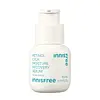 Key Ingredients
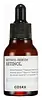
Benefits
Concerns
Ingredients Side-by-side
Water
Skin ConditioningGlycerin
Humectant


Propanediol
Solvent
Niacinamide
Smoothing









Dibutyl Adipate
EmollientButylene Glycol
Humectant
Caprylic/Capric Triglyceride
Masking
1,2-Hexanediol
Skin Conditioning
Hydrogenated Lecithin
Emulsifying
Ammonium Acryloyldimethyltaurate/Vp Copolymer
Helianthus Annuus Seed Oil
Emollient

Cholesterol
Emollient
Allantoin
Skin Conditioning
Glycine Soja Oil
Emollient

Tocopherol
Antioxidant

Tocopheryl Acetate
Antioxidant
Sodium Methyl Stearoyl Taurate
CleansingDaucus Carota Sativa Root Extract
Skin Conditioning
Pentylene Glycol
Skin Conditioning
Ethylhexylglycerin
Skin ConditioningAdenosine
Skin Conditioning
Asiaticoside
Antioxidant
Madecassic Acid
Skin Conditioning
Camellia Sinensis Seed Extract
Humectant
Asiatic Acid
Skin Conditioning
Retinol
Skin Conditioning

Stearyl Glycyrrhetinate
Skin ConditioningHyaluronic Acid
Humectant
Mannitol
Humectant
Ceramide NP
Skin Conditioning
Carbomer
Emulsion StabilisingBeta-Glucan
Skin Conditioning
Beta-Carotene
Skin ConditioningPhytosphingosine
Skin Conditioning
Salicylic Acid
Masking



Acacia Senegal Gum
MaskingAcetyl Tetrapeptide-11
Skin Conditioning
Propylene Glycol Alginate
Water, Glycerin, Propanediol, Niacinamide, Dibutyl Adipate, Butylene Glycol, Caprylic/Capric Triglyceride, 1,2-Hexanediol, Hydrogenated Lecithin, Ammonium Acryloyldimethyltaurate/Vp Copolymer, Helianthus Annuus Seed Oil, Cholesterol, Allantoin, Glycine Soja Oil, Tocopherol, Tocopheryl Acetate, Sodium Methyl Stearoyl Taurate, Daucus Carota Sativa Root Extract, Pentylene Glycol, Ethylhexylglycerin, Adenosine, Asiaticoside, Madecassic Acid, Camellia Sinensis Seed Extract, Asiatic Acid, Retinol, Stearyl Glycyrrhetinate, Hyaluronic Acid, Mannitol, Ceramide NP, Carbomer, Beta-Glucan, Beta-Carotene, Phytosphingosine, Salicylic Acid, Acacia Senegal Gum, Acetyl Tetrapeptide-11, Propylene Glycol Alginate
Calendula Officinalis Extract
Skin Conditioning
Butylene Glycol
Humectant
Glycerin
Humectant
Helianthus Annuus Seed Oil
Emollient
1,2-Hexanediol
Skin Conditioning
Polysorbate 60
Emulsifying
Betaine
Humectant
Dimethicone
Emollient
Cetearyl Alcohol
Emollient
Retinyl Palmitate
Skin Conditioning
Cetearyl Olivate
Panthenol
Skin Conditioning
Arachis Hypogaea Oil
Skin Conditioning
Sorbitan Olivate
Emulsifying
Allantoin
Skin Conditioning
Tocopheryl Acetate
Antioxidant
Hydroxyethyl Acrylate/Sodium Acryloyldimethyl Taurate Copolymer
Emulsion StabilisingHydroxyethylcellulose
Emulsion StabilisingXanthan Gum
EmulsifyingJuniperus Mexicana Oil
Masking
Ethylhexylglycerin
Skin ConditioningAdenosine
Skin Conditioning
Tocopherol
Antioxidant
Calendula Officinalis Extract, Butylene Glycol, Glycerin, Helianthus Annuus Seed Oil, 1,2-Hexanediol, Polysorbate 60, Betaine, Dimethicone, Cetearyl Alcohol, Retinyl Palmitate, Cetearyl Olivate, Panthenol, Arachis Hypogaea Oil, Sorbitan Olivate, Allantoin, Tocopheryl Acetate, Hydroxyethyl Acrylate/Sodium Acryloyldimethyl Taurate Copolymer, Hydroxyethylcellulose, Xanthan Gum, Juniperus Mexicana Oil, Ethylhexylglycerin, Adenosine, Tocopherol
Reviews
Ingredients Explained
These ingredients are found in both products.
Ingredients higher up in an ingredient list are typically present in a larger amount.
1,2-Hexanediol is a synthetic liquid and another multi-functional powerhouse.
It is a:
- Humectant, drawing moisture into the skin
- Emollient, helping to soften skin
- Solvent, dispersing and stabilizing formulas
- Preservative booster, enhancing the antimicrobial activity of other preservatives
Adenosine is in every living organism. It is one of four components in nucleic acids that helps store our DNA.
Adenosine has many benefits when used. These benefits include hydrating the skin, smoothing skin, and reducing wrinkles. Once applied, adenosine increases collagen production. It also helps with improving firmness and tissue repair.
Studies have found adenosine may also help with wound healing.
In skincare products, Adenosine is usually derived from yeast.
Learn more about AdenosineAllantoin is a soothing ingredient known for its protective and moisturizing properties; it's basically a quiet workhorse ingredient you can find in a huge range of cosmetics.
Though it can be derived from the comfrey plant, allantoin is produced synthetically for cosmetic products to ensure purity.
Research shows it can encourage your skin cells to turn over and renew by stimulating keratinocyte and fibroblast proliferation.
It also has mild keratolytic properties to help loosen and shed dead skin cells without being harsh.
Studies also suggest allantoin can help calm inflammation by dialing down some of the chemical signals your skin sends out when it is irritated.
This ingredient is typically used in the 0.1-0.5% range, and the FDA recognizes it as a skin protectant in OTC products up to 2%.
Overall, allantoin is a wonderful addition to most routines; it is stable across a wide pH range (~4-8), works well with other ingredients, and is considered non-sensitizing/non-irritating.
Fun fact: Allantoin is naturally occurring in comfrey root, beets, chamomile, and wheat sprouts. Our bodies even produce it as a byproduct of uric acid metabolism.
Learn more about AllantoinButylene Glycol (or BG) is used within cosmetic products for a few different reasons:
Overall, Butylene Glycol is a safe and well-rounded ingredient that works well with other ingredients.
Though this ingredient works well with most skin types, some people with sensitive skin may experience a reaction such as allergic rashes, closed comedones, or itchiness.
Learn more about Butylene GlycolEthylhexylglycerin is created from glycerin. It is a multitasker ingredient that:
The CIR Expert Panel found minimal skin absorption or sensitization of any kind in a safety assessment. Though this ingredient is considered well-tolerated, a small number of cases of allergic dermatitis have been published since 2002. Just be sure to patch test if you are unsure.
Industry-reported use ranges from 8% in rinse-off products and 2% in leave-on formulations.
Learn more about EthylhexylglycerinGlycerin (or glycerol) is a compound naturally found in your skin. It's a powerhouse humectant that pulls water into the stratum corneum.
Topically, glycerin does several things at once:
Your skin makes glycerin on its own (mostly from sebaceous oil breakdown) and shuttles it to your outermost layer of skin, or your epidermis, via aquaporin-3.
Aquaporin-3 is a transporter that is essential for normal skin hydration, elasticity, and repair. Interestingly, mice lacking in AQP3 have dry and less elastic skin that can be fully corrected with glycerin.
This ingredient is non-irritating, plays well with almost every ingredient, and works across all skin types. Typical use is anywhere between 3-10% but can go up to 79% in some leave-on products.
Just know very high concentrations (>40%) can feel tacky in low humidity.
Glycerin is the name for this ingredient in American English. British English uses Glycerol/Glycerine.
Learn more about GlycerinHelianthus Annuus Seed Oil is a plant oil derived from the seeds of a sunflower.
It is rich in fatty acids, primarily linoleic acid and oleic acid. This gives it emollient and skin conditioning properties.
The reason this ingredient is so effective is because it forms a thin film on the skin that reduces transepidermal water loss (TEWL) while supplying linoleic acid to the stratum corneum to improve barrier strength.
The high linoleic acid content is particularly noteworthy for acne-prone skin.
Research suggests that acne-prone skin tends to be deficient in linoleic acid in sebum. Topical application may help replenish this to support a healthier follicular environment and less comedone-promoting sebum.
One randomized study found sunflower seed oil preserved skin barrier integrity in adult volunteers with and without atopic dermatitis (outperforming olive oil).
This ingredient is well-studied, gentle, and an effective emollient suitable for most skin types.
On fungal acne: This ingredient may not be Fungal acne (Malassezia folliculitis) safe. This is because it contains fatty acids with carbon chain lengths in the C11-C24 range.
Learn more about Helianthus Annuus Seed OilTocopherol is a fat-soluble antioxidant known as Vitamin E.
You'll find this ingredient in the vast majority of skincare (for good reason). It works to neutralize free radicals, or unstable molecules generated by UV exposure, pollution, and other environmental stressors, before they can cause oxidative damage to your skin cells.
Topically applied tocopherol has been shown to protect against UV damage by ramping up the skin's own natural defense enzymes.
It also acts as a skin conditioning agent; some studies show that regular topical use can improve the skin's water-binding capacity over 2-4 weeks.
This ingredient is especially loved for being a team player. When combined with Vitamin C, the photoprotective effect of both ingredients roughly doubles and the combo also helps reduce UV-induced DNA damage.
This ingredient has some brightening potential but it's more of a prevention ingredient than spot-fader. Cell studies show it can slow down melanin production but it's worth noting that it's not the most powerful brightener out there.
In formulations, it also serves as a stabilizer that helps protect other oxidation-prone ingredients from degrading.
Concentrations usually range from 0.1-1% in most leave-on products.
Learn more about TocopherolTocopheryl Acetate is AKA Vitamin E. It is an antioxidant and protects your skin from free radicals. Free radicals damage the skin by breaking down collagen.
One study found using Tocopheryl Acetate with Vitamin C decreased the number of sunburned cells.
Tocopheryl Acetate is commonly found in both skincare and dietary supplements.
Learn more about Tocopheryl Acetate
