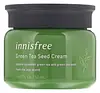
This barrier-repair moisturizer is formulated around Camellia Sinensis Seed Oil and Camellia Sinensis Leaf Extract to strengthen the skin barrier and hydrate skin.
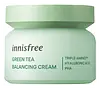
This oil-control moisturizer is formulated around Squalane and Niacinamide to balance excess oil and hydrate skin.

What's inside
What's inside
 Key Ingredients
Benefits
Concerns
Ingredients Side-by-side
Water
Skin ConditioningPropanediol
Solvent

Glycerin
Humectant
Methyl Trimethicone
Skin Conditioning
Stearyl Dimethicone
Emollient
Butylene Glycol Dicaprylate/Dicaprate
EmollientPentaerythrityl Tetraethylhexanoate
Emollient
Camellia Sinensis Seed Oil
Humectant



Polymethylsilsesquioxane
Glyceryl Polymethacrylate
1,2-Hexanediol
Skin Conditioning
Octadecene
SolventHydroxyethyl Acrylate/Sodium Acryloyldimethyl Taurate Copolymer
Emulsion StabilisingPolyglyceryl-3 Methylglucose Distearate
Emulsifying
Glyceryl Stearate
Emollient
Hydrogenated Lecithin
Emulsifying
Cholesterol
Emollient
Carbomer
Emulsion StabilisingTromethamine
BufferingParfum
Masking



Cetearyl Alcohol
Emollient



Panthenol
Skin Conditioning
Xanthan Gum
EmulsifyingGlyceryl Caprylate
EmollientSodium Stearoyl Glutamate
CleansingDisodium EDTA
ChelatingEthylhexylglycerin
Skin ConditioningSorbitan Isostearate
Emulsifying
Linalool
Perfuming
Limonene
Perfuming
Camellia Sinensis Leaf Extract
Antimicrobial




Sodium Hyaluronate
Humectant
Dextrin
AbsorbentTheobroma Cacao Extract
Skin ConditioningTocopherol
Antioxidant

Water, Propanediol, Glycerin, Methyl Trimethicone, Stearyl Dimethicone, Butylene Glycol Dicaprylate/Dicaprate, Pentaerythrityl Tetraethylhexanoate, Camellia Sinensis Seed Oil, Polymethylsilsesquioxane, Glyceryl Polymethacrylate, 1,2-Hexanediol, Octadecene, Hydroxyethyl Acrylate/Sodium Acryloyldimethyl Taurate Copolymer, Polyglyceryl-3 Methylglucose Distearate, Glyceryl Stearate, Hydrogenated Lecithin, Cholesterol, Carbomer, Tromethamine, Parfum, Cetearyl Alcohol, Panthenol, Xanthan Gum, Glyceryl Caprylate, Sodium Stearoyl Glutamate, Disodium EDTA, Ethylhexylglycerin, Sorbitan Isostearate, Linalool, Limonene, Camellia Sinensis Leaf Extract, Sodium Hyaluronate, Dextrin, Theobroma Cacao Extract, Tocopherol
Water
Skin ConditioningPropanediol
Solvent
Cetyl Ethylhexanoate
EmollientButylene Glycol
Humectant
Methyl Trimethicone
Skin Conditioning
Glycerin
Humectant
Hydrogenated Poly(C6-14 Olefin)
EmollientC14-22 Alcohols
Emulsion Stabilising
1,2-Hexanediol
Skin Conditioning
Squalane
Emollient
Niacinamide
Smoothing


Stearic Acid
Cleansing
Glyceryl Stearate
Emollient
Betaine
Humectant
Palmitic Acid
Emollient
Arachidyl Alcohol
Emollient
C12-20 Alkyl Glucoside
EmulsifyingHydroxyethyl Acrylate/Sodium Acryloyldimethyl Taurate Copolymer
Emulsion StabilisingSilica
Abrasive
Acrylates/C10-30 Alkyl Acrylate Crosspolymer
Emulsion StabilisingBehenyl Alcohol
Emollient
Glyceryl Caprylate
EmollientArachidyl Glucoside
EmulsifyingTromethamine
BufferingDisodium EDTA
ChelatingEthylhexylglycerin
Skin ConditioningCamellia Sinensis Leaf Extract
Antimicrobial
Sorbitan Isostearate
Emulsifying
Arginine
Masking
Aspartic Acid
Masking
Glutamic Acid
Humectant
Hyaluronic Acid
Humectant
Zinc PCA
Humectant
Gluconolactone
Chelating
Glucose
Humectant
Tocopherol
Antioxidant
Water, Propanediol, Cetyl Ethylhexanoate, Butylene Glycol, Methyl Trimethicone, Glycerin, Hydrogenated Poly(C6-14 Olefin), C14-22 Alcohols, 1,2-Hexanediol, Squalane, Niacinamide, Stearic Acid, Glyceryl Stearate, Betaine, Palmitic Acid, Arachidyl Alcohol, C12-20 Alkyl Glucoside, Hydroxyethyl Acrylate/Sodium Acryloyldimethyl Taurate Copolymer, Silica, Acrylates/C10-30 Alkyl Acrylate Crosspolymer, Behenyl Alcohol, Glyceryl Caprylate, Arachidyl Glucoside, Tromethamine, Disodium EDTA, Ethylhexylglycerin, Camellia Sinensis Leaf Extract, Sorbitan Isostearate, Arginine, Aspartic Acid, Glutamic Acid, Hyaluronic Acid, Zinc PCA, Gluconolactone, Glucose, Tocopherol
Reviews
Ingredients Explained
These ingredients are found in both products.
Ingredients higher up in an ingredient list are typically present in a larger amount.
1,2-Hexanediol is a synthetic liquid and another multi-functional powerhouse.
It is a:
- Humectant, drawing moisture into the skin
- Emollient, helping to soften skin
- Solvent, dispersing and stabilizing formulas
- Preservative booster, enhancing the antimicrobial activity of other preservatives
Camellia Sinensis Leaf Extract (tea extract) is one of the most well-researched plant extracts in skincare with an impressive resume.
Black tea, green tea, and oolong tea are all harvested from the Camellia Sinensis plant.
Studies show green tea extract and its catechins (like epigallocatechin gallate (EGCG)) help your skin cells product energy more efficiently and reducing the number of free-radicals that can damage your skin from the inside.
In lab-grown skin models, this translated to younger, healthier, and stronger skin.
There's also good sun protection data; researchers saw less DNA damage and redness on human skin when green tea was applied before UVB exposure. And the more they applied, the better the protection.
Needless to say, this ingredient shouldn't replace your sunscreen. But it is a great supportive ingredient that you can already find in many sunscreens and antioxidant serums.
A 2009 study found a 2% green tea lotion was effective for mild-to-moderate acne thanks to its anti-inflammatory and mild antimicrobial activity.
The quality of the extract matters a lot here:
Good extracts contain 50-90% catechins while lower quality ones are mostly there for marketing. We recommend reaching out to the brand if you have questions about the quality or source of their ingredients.
Human Repeated Insult Patch Testing showed no irritation or sensitization at use concentrations (0.86% in leave-on products and up to 30% as leaf water).
Learn more about Camellia Sinensis Leaf ExtractDisodium EDTA is a chelating agent. It grabs onto and deactivates metal ions that sneak into your products from water, packaging, or air.
This ingredient mainly works behind the scenes and helps with:
On top of that, this ingredient can counteract the effects of hard water by binding to the minerals in it.
One thing worth knowing is that Disodium EDTA has been shown to be a mild penetration enhancer. It can help other ingredients absorb into skin more effectively which can be a double-edged sword (great for actives, but can also make the active too strong if you have sensitive skin).
Clinical patch testing showed no significant skin irritation at typical use concentrations and minimal dermal absorption.
You'll most likely see this ingredient near the end of an ingredient list. It's typically found in concentrations less than 1%.
Learn more about Disodium EDTAEthylhexylglycerin is created from glycerin. It is a multitasker ingredient that:
The CIR Expert Panel found minimal skin absorption or sensitization of any kind in a safety assessment. Though this ingredient is considered well-tolerated, a small number of cases of allergic dermatitis have been published since 2002. Just be sure to patch test if you are unsure.
Industry-reported use ranges from 8% in rinse-off products and 2% in leave-on formulations.
Learn more about EthylhexylglycerinGlycerin (or glycerol) is a compound naturally found in your skin. It's a powerhouse humectant that pulls water into the stratum corneum.
Topically, glycerin does several things at once:
Your skin makes glycerin on its own (mostly from sebaceous oil breakdown) and shuttles it to your outermost layer of skin, or your epidermis, via aquaporin-3.
Aquaporin-3 is a transporter that is essential for normal skin hydration, elasticity, and repair. Interestingly, mice lacking in AQP3 have dry and less elastic skin that can be fully corrected with glycerin.
This ingredient is non-irritating, plays well with almost every ingredient, and works across all skin types. Typical use is anywhere between 3-10% but can go up to 79% in some leave-on products.
Just know very high concentrations (>40%) can feel tacky in low humidity.
Glycerin is the name for this ingredient in American English. British English uses Glycerol/Glycerine.
Learn more about GlycerinGlyceryl Caprylate comes from glycerin and caprylic acid. It is an emollient, co-emulsifier, and preservative booster.
Its short C8 fatty acid chain makes it behave differently from its longer-chain emollient cousins like Glyceryl Stearate. It feels more lightweight, fast-absorbing, and silky instead of rich and waxy.
As a co-emulsifier, its "head" and "tail" sit at the oil-water interface. But overall, the short C8 tail and not being water soluble means it doesn't really have the muscle to emulsify a formula on its own. That's why you'll often see it paired with a primary emulsifier like Cetearyl Glucoside.
Interestingly, Glyceryl Caprylate acts as a preservative booster. This is because its fatty-acid backbone disrupts microbial lipid membranes. It shows excellent activity against bacteria and yeast but is weaker against mold.
Typical concentrations range from 0.5-1% and this ingredient is generally non-irritating.
Because this ingredient has a C8 fatty acid chain, it is outside the range that the Malassezia yeast metabolizes (making it fungal acne safe).
Learn more about Glyceryl CaprylateGlyceryl Stearate is made by reacting glycerin with stearic acid (typically sourced from plant oils like palm or coconut). It's an emulsifier, emollient, and mild occlusive.
Emulsifiers help ingredients like oil and water stay mixed so your formula stays nicely blended and uniform in texture.
This ingredient is typically used in concentrations between 1-10%. Studies have found it to be non-sensitizing, non-phototoxic, and non-photoallergenic.
A close cousin of this ingredient is Glyceryl Stearate SE ("self-emulsifying"). This just has a small amount of sodium or potassium stearate added so it can emulsify without a co-emulsifier.
Since this ingredient is an ester of a C18 fatty acid, it may not be fungal acne safe. The Malassezia yeast can potentially metabolize within the C11-C24 range.
Fun fact: The human body also creates Glyceryl Stearate naturally.
Learn more about Glyceryl StearateThis is a synthetic polymer. It helps improve the texture of products by adding thickness and gel-like feel.
It is also an emulsifer, meaning it prevents ingredients such as oil and water from separating. It also helps evenly disperse other ingredients.
Methyl Trimethicone is a type of silicone. It is a solvent and emulsifier.
Solvents are used to keep ingredients together in a product. They can help dissolve ingredients to stable bases or help evenly distribute ingredients throughout the product.
Emulsifiers help stabilize a product. It does this by preventing certain ingredients from separating.
Methyl Trimethicone does not get absorbed into the skin.
Learn more about Methyl TrimethiconePropanediol is an all-star ingredient. It softens, hydrates, and smooths the skin.
It’s often used to:
Propanediol is not likely to cause sensitivity and considered safe to use. It is derived from corn or petroleum with a clear color and no scent.
Learn more about PropanediolSorbitan Isostearate is an emulsifer. It is created from isostearic acid and sorbitol.
As an emulsifier, it keeps the water and oil ingredients from separating. This keeps formulas stable and smooth.
In a 24 hour occlusive patch test on 56 subjects, 10% sorbitan isostearate was completely non-irritating. Most formulas use less than 10%.
Because it's a fatty acid ester, it may not be fungal acne safe since the Malassezia yeast can utilize it as a nutrient source.
Learn more about Sorbitan IsostearateTocopherol is a fat-soluble antioxidant known as Vitamin E.
You'll find this ingredient in the vast majority of skincare (for good reason). It works to neutralize free radicals, or unstable molecules generated by UV exposure, pollution, and other environmental stressors, before they can cause oxidative damage to your skin cells.
Topically applied tocopherol has been shown to protect against UV damage by ramping up the skin's own natural defense enzymes.
It also acts as a skin conditioning agent; some studies show that regular topical use can improve the skin's water-binding capacity over 2-4 weeks.
This ingredient is especially loved for being a team player. When combined with Vitamin C, the photoprotective effect of both ingredients roughly doubles and the combo also helps reduce UV-induced DNA damage.
This ingredient has some brightening potential but it's more of a prevention ingredient than spot-fader. Cell studies show it can slow down melanin production but it's worth noting that it's not the most powerful brightener out there.
In formulations, it also serves as a stabilizer that helps protect other oxidation-prone ingredients from degrading.
Concentrations usually range from 0.1-1% in most leave-on products.
Learn more about TocopherolTromethamine (aka THAM) is a synthetic amino acid that shows up in skincare as a helper ingredient.
It functions as a pH adjuster to help neutralize acidic ingredients and set a formula's pH to the right spot.
This matters a lot because a lot of actives (like vitamin C) needs a specific pH to work well and feel comfortable on skin.
Concentration use ranges from 0.1-1.0% depending on the formula.
Learn more about TromethamineWater. It's the most common cosmetic ingredient of all. You'll usually see it at the top of ingredient lists, meaning that it makes up the largest part of the product.
So why is it so popular? Water most often acts as a solvent - this means that it helps dissolve other ingredients into the formulation.
You'll also recognize water as that liquid we all need to stay alive. If you see this, drink a glass of water. Remember to stay hydrated!
Learn more about Water

