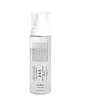
This barrier-repair essence is formulated around Niacinamide and Ceramide NP to strengthen the skin barrier and hydrate skin.
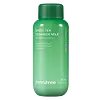
This barrier-repair toner is formulated around Panthenol and Madecassoside to strengthen the skin barrier and calm redness.

What's inside
What's inside
 Key Ingredients
Benefits
Concerns
Ingredients Side-by-side
Water
Skin ConditioningGlycerin
Humectant


Butylene Glycol
Humectant
Propanediol
Solvent
Hydrogenated Rice Bran Oil
Skin Conditioning
Betaine
Humectant
1,2-Hexanediol
Skin Conditioning
Mannitol
Humectant
Polyglycerin-3
Humectant
PPG-13-Decyltetradeceth-24
EmulsifyingHydrogenated Lecithin
Emulsifying
Pentylene Glycol
Skin Conditioning
Glyceryl Caprylate
EmollientXanthan Gum
EmulsifyingCarbomer
Emulsion StabilisingEthylhexylglycerin
Skin ConditioningCaprylic/Capric Triglyceride
Masking
Sodium Stearoyl Glutamate
CleansingTromethamine
BufferingHydroxyethyl Acrylate/Sodium Acryloyldimethyl Taurate Copolymer
Emulsion StabilisingSodium Metaphosphate
BufferingNiacinamide
Smoothing








Polyglyceryl-10 Stearate
Skin Conditioning

Sorbitan Isostearate
Emulsifying
Hyaluronic Acid
Humectant
Ceramide NP
Skin Conditioning
Phytosterols
Skin Conditioning
Camellia Sinensis Seed Oil
Humectant
Tocopherol
Antioxidant

Sodium Hyaluronate
Humectant
Camellia Sinensis Leaf Extract
Antimicrobial
Caprylyl Glycol
Emollient
Propylene Glycol
Humectant
Glyceryl Oleate
Emollient

Lecithin
Emollient
Lauryl Glucoside
CleansingHydrolyzed Hyaluronic Acid
Humectant
Polyglyceryl-6 Laurate
Emulsifying
Myristyl Glucoside
CleansingSodium Hyaluronate Crosspolymer
Humectant
Sodium Trimetaphosphate
BufferingSodium Acetylated Hyaluronate
Humectant
Acetyl Tetrapeptide-2
Skin Conditioning
Water, Glycerin, Butylene Glycol, Propanediol, Hydrogenated Rice Bran Oil, Betaine, 1,2-Hexanediol, Mannitol, Polyglycerin-3, PPG-13-Decyltetradeceth-24, Hydrogenated Lecithin, Pentylene Glycol, Glyceryl Caprylate, Xanthan Gum, Carbomer, Ethylhexylglycerin, Caprylic/Capric Triglyceride, Sodium Stearoyl Glutamate, Tromethamine, Hydroxyethyl Acrylate/Sodium Acryloyldimethyl Taurate Copolymer, Sodium Metaphosphate, Niacinamide, Polyglyceryl-10 Stearate, Sorbitan Isostearate, Hyaluronic Acid, Ceramide NP, Phytosterols, Camellia Sinensis Seed Oil, Tocopherol, Sodium Hyaluronate, Camellia Sinensis Leaf Extract, Caprylyl Glycol, Propylene Glycol, Glyceryl Oleate, Lecithin, Lauryl Glucoside, Hydrolyzed Hyaluronic Acid, Polyglyceryl-6 Laurate, Myristyl Glucoside, Sodium Hyaluronate Crosspolymer, Sodium Trimetaphosphate, Sodium Acetylated Hyaluronate, Acetyl Tetrapeptide-2
Oryza Sativa Bran Water
Masking
1,2-Hexanediol
Skin Conditioning
Triethylhexanoin
MaskingGlycerin
Humectant
Hydrogenated Poly(C6-14 Olefin)
EmollientTocopherol
Antioxidant
Water
Skin ConditioningButylene Glycol
Humectant
Methylpropanediol
SolventPentylene Glycol
Skin Conditioning
Streptococcus Thermophilus Ferment
Humectant
Pyrus Malus Juice
Skin ConditioningPanthenol
Skin Conditioning
Hydrolyzed Hyaluronic Acid
Humectant
Polyquaternium-51
Skin Conditioning
Betaine
Humectant
Trilaureth-4 Phosphate
EmulsifyingCynanchum Atratum Extract
Skin ConditioningAlthaea Rosea Flower Extract
Skin ConditioningOryza Sativa Extract
Absorbent
Sea Salt
Abrasive
Aspergillus Ferment
Skin ConditioningSodium Phytate
Citric Acid
Buffering
Madecassoside
Antioxidant
Hydroxypropyltrimonium Hyaluronate
Centella Asiatica Leaf Extract
Skin Conditioning
Houttuynia Cordata Extract
Skin Conditioning
Aloe Barbadensis Leaf Water
MaskingBifida Ferment Extract
Humectant
Hyaluronic Acid
Humectant
Silanetriol
Avena Sativa Kernel Extract
Abrasive
Lactobacillus Ferment
Skin Conditioning
Hydrolyzed Rice Protein
Skin ConditioningRice Amino Acids
Skin Conditioning
Oryza Sativa Bran Water, 1,2-Hexanediol, Triethylhexanoin, Glycerin, Hydrogenated Poly(C6-14 Olefin), Tocopherol, Water, Butylene Glycol, Methylpropanediol, Pentylene Glycol, Streptococcus Thermophilus Ferment, Pyrus Malus Juice, Panthenol, Hydrolyzed Hyaluronic Acid, Polyquaternium-51, Betaine, Trilaureth-4 Phosphate, Cynanchum Atratum Extract, Althaea Rosea Flower Extract, Oryza Sativa Extract, Sea Salt, Aspergillus Ferment, Sodium Phytate, Citric Acid, Madecassoside, Hydroxypropyltrimonium Hyaluronate, Centella Asiatica Leaf Extract, Houttuynia Cordata Extract, Aloe Barbadensis Leaf Water, Bifida Ferment Extract, Hyaluronic Acid, Silanetriol, Avena Sativa Kernel Extract, Lactobacillus Ferment, Hydrolyzed Rice Protein, Rice Amino Acids
Reviews
Ingredients Explained
These ingredients are found in both products.
Ingredients higher up in an ingredient list are typically present in a larger amount.
1,2-Hexanediol is a synthetic liquid and another multi-functional powerhouse.
It is a:
- Humectant, drawing moisture into the skin
- Emollient, helping to soften skin
- Solvent, dispersing and stabilizing formulas
- Preservative booster, enhancing the antimicrobial activity of other preservatives
Betaine is a humectant. Like hyaluronic acid, it helps attract and retain moisture in the skin. It’s known for being gentle and for helping the skin maintain balanced hydration.
Betaine is mainly used to improve hydration and support calmer skin. It helps skin cells regulate water balance because it functions as an osmolyte.
Some studies suggest betaine may support making skin tone more even.
Fun fact: Betaine naturally exists in the skin and the body. In cosmetic products, it can be either plant-derived (most commonly from sugar beets) or synthetically produced for consistency and stability.
Betaine is also known as trimethylglycine.
Learn more about BetaineButylene Glycol (or BG) is used within cosmetic products for a few different reasons:
Overall, Butylene Glycol is a safe and well-rounded ingredient that works well with other ingredients.
Though this ingredient works well with most skin types, some people with sensitive skin may experience a reaction such as allergic rashes, closed comedones, or itchiness.
Learn more about Butylene GlycolGlycerin (or glycerol) is a compound naturally found in your skin. It's a powerhouse humectant that pulls water into the stratum corneum.
Topically, glycerin does several things at once:
Your skin makes glycerin on its own (mostly from sebaceous oil breakdown) and shuttles it to your outermost layer of skin, or your epidermis, via aquaporin-3.
Aquaporin-3 is a transporter that is essential for normal skin hydration, elasticity, and repair. Interestingly, mice lacking in AQP3 have dry and less elastic skin that can be fully corrected with glycerin.
This ingredient is non-irritating, plays well with almost every ingredient, and works across all skin types. Typical use is anywhere between 3-10% but can go up to 79% in some leave-on products.
Just know very high concentrations (>40%) can feel tacky in low humidity.
Glycerin is the name for this ingredient in American English. British English uses Glycerol/Glycerine.
Learn more about GlycerinHyaluronic acid (HA) is a glycosaminoglycan (basically a long sugar chain) that your skin already makes on its own. In your skin, HA lives in the extracellular matrix and acts as the body's moisture reservoir.
Topically, HA is a humectant that binds water and helps skin look more plump, smooth, and hydrated.
The only catch is that HA isn't a single thing; it actually comes in a wide range of molecular weights (~50 - 2,000+ kDA) and size matters.
Some clinical evidence links low molecular weight versions to improved wrinkle depth, elasticity, anti-inflammatory effects, and barrier repair.
This is why the best HA serums blend the two sizes together so you get the best of both worlds.
The majority of cosmetic HA is produced by bacterial fermentation, typically using Streptococcus or Bacillus strains. Typical use levels in skincare sit around 0.1-2%.
A clinical study using a 0.2% low-molecular weight HA gel showed improvement in facial seborrheic dermatitis with excellent tolerance.
These are some other common types of Hyaluronic Acid:
Learn more about Hyaluronic AcidHydrolyzed Hyaluronic Acid is hyaluronic acid (HA) that is broken down into lower molecular weight fragments.
It's a humectant that pulls and holds water in the skin to help with hydration, plumpness, and reduce transepidermal water loss.
Because hydrolyzed hyaluronic acid is smaller in size, it can slip past your outermost layer of skin more easily than full-sized HA.
Most formulations will combine all sizes to get the best of both worlds.
Typical usage levels range from 0.01-1%. Any percentage higher than 2% might become goopy and tacky.
Learn more about Hydrolyzed Hyaluronic AcidPentylene Glycol (1,2-pentanediol) is a multitasking little diol with three main roles in a formula:
Research on alkanediols (the family pentylene glycol belongs to) show they work by disrupting microbial cell membranes. This disruption helps the primary preservative system in a product work more effectively at lower doses.
On the safety side, the Cosmetic Ingredient Review Expert Panel has concluded this ingredient to be safe as used in current cosmetic practices + concentrations.
Typical use levels in a formula run about 1-5%.
Learn more about Pentylene GlycolTocopherol is a fat-soluble antioxidant known as Vitamin E.
You'll find this ingredient in the vast majority of skincare (for good reason). It works to neutralize free radicals, or unstable molecules generated by UV exposure, pollution, and other environmental stressors, before they can cause oxidative damage to your skin cells.
Topically applied tocopherol has been shown to protect against UV damage by ramping up the skin's own natural defense enzymes.
It also acts as a skin conditioning agent; some studies show that regular topical use can improve the skin's water-binding capacity over 2-4 weeks.
This ingredient is especially loved for being a team player. When combined with Vitamin C, the photoprotective effect of both ingredients roughly doubles and the combo also helps reduce UV-induced DNA damage.
This ingredient has some brightening potential but it's more of a prevention ingredient than spot-fader. Cell studies show it can slow down melanin production but it's worth noting that it's not the most powerful brightener out there.
In formulations, it also serves as a stabilizer that helps protect other oxidation-prone ingredients from degrading.
Concentrations usually range from 0.1-1% in most leave-on products.
Learn more about TocopherolWater. It's the most common cosmetic ingredient of all. You'll usually see it at the top of ingredient lists, meaning that it makes up the largest part of the product.
So why is it so popular? Water most often acts as a solvent - this means that it helps dissolve other ingredients into the formulation.
You'll also recognize water as that liquid we all need to stay alive. If you see this, drink a glass of water. Remember to stay hydrated!
Learn more about Water

