This oil-based makeup remover is made to dissolve makeup, sunscreen, and daily buildup.
This oil-based makeup remover is made to dissolve makeup, sunscreen, and daily buildup.


What's inside
What's inside
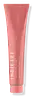 Key Ingredients
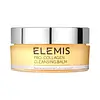
Benefits
Concerns
Ingredients Side-by-side
Carthamus Tinctorius Seed Oil
Masking



Caprylic/Capric Triglyceride
Masking

Isocetyl Stearoyl Stearate
Emollient
C15-19 Alkane
SolventLimnanthes Alba Seed Oil
Skin Conditioning
Glycerin
Humectant
Isopropyl Palmitate
Emollient


Water
Skin ConditioningCrambe Abyssinica Seed Oil
Skin Conditioning
Lactobacillus Ferment
Skin Conditioning
Leuconostoc Ferment Filtrate
AntimicrobialSucrose Stearate
EmollientSucrose Laurate
Emollient
Terminalia Ferdinandiana Fruit Extract
Antioxidant
Podocarpus Elatus Fruit Extract
Skin ConditioningPleiogynium Timoriense Fruit Extract
Skin ConditioningPropanediol
Solvent
Pentylene Glycol
Skin Conditioning
Phenethyl Alcohol
MaskingJuniperus Virginiana Wood Oil
Perfuming



Lavandula Angustifolia Oil
Masking
Ricinus Communis Seed Oil
Masking
Aniba Rosaeodora Wood Oil
Astringent
Salvia Sclarea Oil
Masking
Salvia Lavandulifolia Herb Oil
Perfuming
Carthamus Tinctorius Seed Oil, Caprylic/Capric Triglyceride, Isocetyl Stearoyl Stearate, C15-19 Alkane, Limnanthes Alba Seed Oil, Glycerin, Isopropyl Palmitate, Water, Crambe Abyssinica Seed Oil, Lactobacillus Ferment, Leuconostoc Ferment Filtrate, Sucrose Stearate, Sucrose Laurate, Terminalia Ferdinandiana Fruit Extract, Podocarpus Elatus Fruit Extract, Pleiogynium Timoriense Fruit Extract, Propanediol, Pentylene Glycol, Phenethyl Alcohol, Juniperus Virginiana Wood Oil, Lavandula Angustifolia Oil, Ricinus Communis Seed Oil, Aniba Rosaeodora Wood Oil, Salvia Sclarea Oil, Salvia Lavandulifolia Herb Oil
Prunus Amygdalus Dulcis Oil
Skin Conditioning
Caprylic/Capric Triglyceride
Masking
PEG-6 Caprylic/Capric Glycerides
EmulsifyingPEG-8 Beeswax
Emulsifying
Cetearyl Alcohol
Emollient
Sorbitan Stearate
Emulsifying
Sambucus Nigra Oil
Masking
PEG-60 Almond Glycerides
Emulsifying
Silica
Abrasive


Avena Sativa Kernel Oil
Skin Conditioning
Triticum Vulgare Germ Oil
Emollient
Butyrospermum Parkii Butter
Skin Conditioning
Citrus Aurantium Dulcis Peel Wax
Skin ConditioningGlycerin
Humectant
Lecithin
Emollient
Borago Officinalis Seed Oil
Emollient
Lavandula Angustifolia Oil
Masking
Phenoxyethanol
Preservative
Cocos Nucifera Oil
Masking
Linalool
Perfuming
Lavandula Hybrida Oil
Emollient
Pelargonium Graveolens Flower Oil
Masking
Eucalyptus Globulus Leaf Oil
Perfuming
Geraniol
Perfuming
Acacia Decurrens Flower Wax
Emollient
Rosa Multiflora Flower Wax
Skin ConditioningTocopherol
Antioxidant



Anthemis Nobilis Flower Oil
Masking
Cocoyl Hydrolyzed Collagen
Cleansing
Limonene
Perfuming
Mentha Arvensis Leaf Oil
Masking
Simmondsia Chinensis Seed Oil
Emollient
Citrus Aurantium Dulcis Oil
Masking
Parfum
Masking
Vitis Vinifera Seed Oil
Emollient
Menthol
Masking
Eugenia Caryophyllus Leaf Oil
Masking
Citral
Perfuming
Padina Pavonica Thallus Extract
Skin ConditioningPrunus Amygdalus Dulcis Oil, Caprylic/Capric Triglyceride, PEG-6 Caprylic/Capric Glycerides, PEG-8 Beeswax, Cetearyl Alcohol, Sorbitan Stearate, Sambucus Nigra Oil, PEG-60 Almond Glycerides, Silica, Avena Sativa Kernel Oil, Triticum Vulgare Germ Oil, Butyrospermum Parkii Butter, Citrus Aurantium Dulcis Peel Wax, Glycerin, Lecithin, Borago Officinalis Seed Oil, Lavandula Angustifolia Oil, Phenoxyethanol, Cocos Nucifera Oil, Linalool, Lavandula Hybrida Oil, Pelargonium Graveolens Flower Oil, Eucalyptus Globulus Leaf Oil, Geraniol, Acacia Decurrens Flower Wax, Rosa Multiflora Flower Wax, Tocopherol, Anthemis Nobilis Flower Oil, Cocoyl Hydrolyzed Collagen, Limonene, Mentha Arvensis Leaf Oil, Simmondsia Chinensis Seed Oil, Citrus Aurantium Dulcis Oil, Parfum, Vitis Vinifera Seed Oil, Menthol, Eugenia Caryophyllus Leaf Oil, Citral, Padina Pavonica Thallus Extract
Reviews
Ingredients Explained
These ingredients are found in both products.
Ingredients higher up in an ingredient list are typically present in a larger amount.
Caprylic/Capric Triglyceride (aka MCT Oil) is a lightweight emollient, solvent, and texture enhancer. It is considered a skin-softener by helping to prevent moisture loss.
Though it behaves like an oil, it is not technically one due to its chemical composition. One perk of this ingredient is that it is very stable, resistant to oxidation, and unlikely to go rancid.
In practice, that translates to a long shelf life and a consistently elegant skin feel.
While there is an assumption Caprylic Triglyceride can clog pores due to it being derived from coconut oil, there is no research supporting this. Just patch test if you have concerns.
Fractionated coconut oil and MCT Oil are both listed as Caprylic/Capric Triglyceride according to INCI. This is because INCI names are based on the ingredient’s final chemical composition and not its marketing name or source.
This ingredient is treated as the gold standard fungal acne safe oil. Even though it is coconut derived, the problematic lauric acid is stripped out.
This leaves just caprylic (C8) and capric (C10) acid. These chain lengths actually trend antifungal; a 2020 study found caprylic acid was enough to disrupt Malassezia furfur cell membrane, with a caprylic acid derivative damaging membrane structures at concentrations as low as 0.2%.
Learn more about Caprylic/Capric TriglycerideGlycerin (or glycerol) is a compound naturally found in your skin. It's a powerhouse humectant that pulls water into the stratum corneum.
Topically, glycerin does several things at once:
Your skin makes glycerin on its own (mostly from sebaceous oil breakdown) and shuttles it to your outermost layer of skin, or your epidermis, via aquaporin-3.
Aquaporin-3 is a transporter that is essential for normal skin hydration, elasticity, and repair. Interestingly, mice lacking in AQP3 have dry and less elastic skin that can be fully corrected with glycerin.
This ingredient is non-irritating, plays well with almost every ingredient, and works across all skin types. Typical use is anywhere between 3-10% but can go up to 79% in some leave-on products.
Just know very high concentrations (>40%) can feel tacky in low humidity.
Glycerin is the name for this ingredient in American English. British English uses Glycerol/Glycerine.
Learn more about GlycerinLavandula Angustifolia Oil is more commonly known as lavender essential oil. It is considered a fragrancing ingredient.
Lavender imparts a famous scent. While the smell is lovely, this ingredient and may sensitize skin in topical products. This is because about 85% of the oil is made up of linalool and linalyl acetate.
When exposed to air, these two compounds become strong allergens. This ingredient exhibits cytotoxicity at low concentrations; amounts of 0.25% have been shown to damage skin cells.
A study from Japan found this ingredient caused lavender sensitivity after widespread exposure.
Lavender essential oil has some antimicrobial, antibacterial, and anti-inflammatory properties. However, the cons of this ingredient may outweight the pros.
More research is needed to confirm lavender essential oil's effects when used in aromatherapy.
Lavandula Angustifolia is known as the English Lavender and famous for creating purple fields in Provence, France.
Learn more about Lavandula Angustifolia Oil

