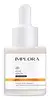
This calming serum is formulated around Centella Asiatica Extract to calm redness.
This brightening serum is formulated around Niacinamide and Tranexamic Acid to fade the look of dark spots and brighten dull-looking skin.

What's inside
What's inside
 Key Ingredients
Benefits
Concerns
Ingredients Side-by-side
Water
Skin ConditioningCentella Asiatica Extract
Cleansing





Butylene Glycol
Humectant
Propylene Glycol
Humectant

Glycerin
Humectant
Silanediol Salicylate
EmollientPropanediol
Solvent
Ethoxydiglycol
Humectant1,2-Hexanediol
Skin Conditioning
Sodium Lactate
Buffering
Sodium PCA
Humectant
Acrylates/C10-30 Alkyl Acrylate Crosspolymer
Emulsion StabilisingDMDM Hydantoin
Preservative

Fomes Officinalis Extract
Skin ProtectingHydroxypropyl Methylcellulose
Emulsion StabilisingTetrasodium EDTA
ChelatingSodium Hydroxide
BufferingTriethanolamine
BufferingFructose
Humectant
Glycine
Buffering
Inositol
Humectant
Lactic Acid
Buffering




Niacinamide
Smoothing

Urea
Buffering
Iodopropynyl Butylcarbamate
Preservative
Sodium Benzoate
Masking
Sodium Methylparaben
Preservative
Sodium Chloride
MaskingBenzoic Acid
Masking
Propylparaben
Preservative
Water, Centella Asiatica Extract, Butylene Glycol, Propylene Glycol, Glycerin, Silanediol Salicylate, Propanediol, Ethoxydiglycol, 1,2-Hexanediol, Sodium Lactate, Sodium PCA, Acrylates/C10-30 Alkyl Acrylate Crosspolymer, DMDM Hydantoin, Fomes Officinalis Extract, Hydroxypropyl Methylcellulose, Tetrasodium EDTA, Sodium Hydroxide, Triethanolamine, Fructose, Glycine, Inositol, Lactic Acid, Niacinamide, Urea, Iodopropynyl Butylcarbamate, Sodium Benzoate, Sodium Methylparaben, Sodium Chloride, Benzoic Acid, Propylparaben
Water
Skin ConditioningButylene Glycol
Humectant
Propanediol
Solvent
Niacinamide
Smoothing
Centella Asiatica Leaf Water
Skin Conditioning
Tranexamic Acid
Astringent
Alpha-Arbutin
Antioxidant

Ethoxydiglycol
Humectant1,2-Hexanediol
Skin Conditioning
Polysorbate 20
Emulsifying
Pentylene Glycol
Skin Conditioning
Panthenol
Skin Conditioning
Hexylresorcinol
Antimicrobial
Glycyrrhiza Glabra Root Extract
Bleaching
Beta-Glucan
Skin Conditioning
Allantoin
Skin Conditioning
Calendula Officinalis Flower Extract
Masking
Glycerin
Humectant
4-T-Butylcyclohexanol
Masking
Xanthan Gum
EmulsifyingPolyacrylate Crosspolymer-6
Emulsion StabilisingAmmonium Acryloyldimethyltaurate/Vp Copolymer
Citric Acid
Buffering
Theobroma Cacao Extract
Skin ConditioningHydrogenated Lecithin
Emulsifying
Sodium Metabisulfite
Antioxidant
Trisodium Ethylenediamine Disuccinate
ChelatingDipotassium Glycyrrhizate
Humectant
Ethylhexylglycerin
Skin ConditioningStearyl Alcohol
Emollient
Myristic Acid
Cleansing
Behenic Acid
Cleansing
Stearic Acid
Cleansing
Behenyl Alcohol
Emollient
Octanediol
Dextrin
AbsorbentWater, Butylene Glycol, Propanediol, Niacinamide, Centella Asiatica Leaf Water, Tranexamic Acid, Alpha-Arbutin, Ethoxydiglycol, 1,2-Hexanediol, Polysorbate 20, Pentylene Glycol, Panthenol, Hexylresorcinol, Glycyrrhiza Glabra Root Extract, Beta-Glucan, Allantoin, Calendula Officinalis Flower Extract, Glycerin, 4-T-Butylcyclohexanol, Xanthan Gum, Polyacrylate Crosspolymer-6, Ammonium Acryloyldimethyltaurate/Vp Copolymer, Citric Acid, Theobroma Cacao Extract, Hydrogenated Lecithin, Sodium Metabisulfite, Trisodium Ethylenediamine Disuccinate, Dipotassium Glycyrrhizate, Ethylhexylglycerin, Stearyl Alcohol, Myristic Acid, Behenic Acid, Stearic Acid, Behenyl Alcohol, Octanediol, Dextrin
Reviews
Ingredients Explained
These ingredients are found in both products.
Ingredients higher up in an ingredient list are typically present in a larger amount.
1,2-Hexanediol is a synthetic liquid and another multi-functional powerhouse.
It is a:
- Humectant, drawing moisture into the skin
- Emollient, helping to soften skin
- Solvent, dispersing and stabilizing formulas
- Preservative booster, enhancing the antimicrobial activity of other preservatives
Butylene Glycol (or BG) is used within cosmetic products for a few different reasons:
Overall, Butylene Glycol is a safe and well-rounded ingredient that works well with other ingredients.
Though this ingredient works well with most skin types, some people with sensitive skin may experience a reaction such as allergic rashes, closed comedones, or itchiness.
Learn more about Butylene GlycolEthoxydiglycol (aka Diethylene Glycol Monoethyl Ether) is one of the cosmetic world's quiet problem solvers.
In a formula, it is a solvent that dissolves tricky ingredients that don't want to mix in and helps spread ingredients evenly across your skin without leaving a greasy or sticky feeling
This makes it great for hard-to-dissolve actives like vitamin C, benzoyl peroxide, and self-tanner DHA.
It also has mild humectant and penetration enhancer abilities so it can help some actives absorb a little deeper.
The penetration boost is backed by lab research: studies using human skin samples found it improved how well an active dissolves into the upper layer of skin rather than tearing down your skin barrier. Reviews of its mechanism also describe it interacting gently with the lipids and water in your outermost layer of skin.
Just know this penetration-enhancing effect is not universal. It helps a lot in some formulas and did very little in others (so the benefit really depends on the specific product).
Safety-wise, the evidence is reassuring. The Cosmetic Ingredient Review Expert Panel reviewed it and concluded it's safe for use in cosmetics and recognized it as non-irritating, non-sensitizing, and non-comedogenic in skincare.
Typical leave-on skincare usage lands around 1-10%. The EU has sets caps of 2.6% in non-spray products, 10% in rinse-offs, 7% in oxidative hair dye, and 5% in non-oxidative hair dye.
Learn more about EthoxydiglycolGlycerin (or glycerol) is a compound naturally found in your skin. It's a powerhouse humectant that pulls water into the stratum corneum.
Topically, glycerin does several things at once:
Your skin makes glycerin on its own (mostly from sebaceous oil breakdown) and shuttles it to your outermost layer of skin, or your epidermis, via aquaporin-3.
Aquaporin-3 is a transporter that is essential for normal skin hydration, elasticity, and repair. Interestingly, mice lacking in AQP3 have dry and less elastic skin that can be fully corrected with glycerin.
This ingredient is non-irritating, plays well with almost every ingredient, and works across all skin types. Typical use is anywhere between 3-10% but can go up to 79% in some leave-on products.
Just know very high concentrations (>40%) can feel tacky in low humidity.
Glycerin is the name for this ingredient in American English. British English uses Glycerol/Glycerine.
Learn more about GlycerinNiacinamide is a multitasking form of vitamin B3 that strengthens the skin barrier, reduces pores and dark spots, regulates oil, and improves signs of aging.
And the best part? It's gentle and well-tolerated by most skin types, including sensitive and reactive skin.
You might have heard of "niacin flush", or the reddening of skin that causes itchiness. Niacinamide has not been found to cause this.
In very rare cases, some individuals may not be able to tolerate niacinamide at all or experience an allergic reaction to it.
If you are experiencing flaking, irritation, and dryness with this ingredient, be sure to double check all your products as this ingredient can be found in all categories of skincare.
When incorporating niacinamide into your routine, look out for concentration amounts. Typically, 5% niacinamide provides benefits such as fading dark spots. However, if you have sensitive skin, it is better to begin with a smaller concentration.
When you apply niacinamide to your skin, your body converts it into nicotinamide adenine dinucleotide (NAD). NAD is an essential coenzyme that is already found in your cells as "fuel" and powers countless biological processes.
In your skin, NAD helps repair cell damage, produce new healthy cells, support collagen production, strengthen the skin barrier, and fight environmental stressors (like UV and pollution).
Our natural NAD levels start to decline with age, leading to slower skin repair, visible aging, and a weaker skin barrier. By providing your skin niacinamide, you're recharging your skin's NAD levels. This leads to stronger, healthier, and younger looking skin.
Another name for vitamin B3 is nicotinamide. This vitamin is water-soluble and our bodies don't store it. We obtain Vitamin B3 from either food or skincare. Meat, fish, wheat, yeast, and leafy greens contain vitamin B3.
The type of niacinamide used in skincare is synthetically created.
Learn more about NiacinamidePropanediol is an all-star ingredient. It softens, hydrates, and smooths the skin.
It’s often used to:
Propanediol is not likely to cause sensitivity and considered safe to use. It is derived from corn or petroleum with a clear color and no scent.
Learn more about PropanediolWater. It's the most common cosmetic ingredient of all. You'll usually see it at the top of ingredient lists, meaning that it makes up the largest part of the product.
So why is it so popular? Water most often acts as a solvent - this means that it helps dissolve other ingredients into the formulation.
You'll also recognize water as that liquid we all need to stay alive. If you see this, drink a glass of water. Remember to stay hydrated!
Learn more about Water

