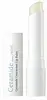
This barrier-repair lip moisturizer is formulated around Hydrogenated Vegetable Oil and Panthenol to strengthen the lip barrier and hydrate lips.
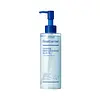
This oil-based makeup remover is made to dissolve makeup, sunscreen, and daily buildup.

What's inside
What's inside
 Key Ingredients
Benefits
Concerns
Ingredients Side-by-side
Dicaprylyl Carbonate
EmollientPolyglyceryl-10 Decaisostearate
EmollientDiisostearyl Malate
EmollientTriethylhexanoin
MaskingHydrogenated Vegetable Oil
Emollient





Isononyl Isononanoate
EmollientSynthetic Wax
Abrasive

Hydrogenated Polyisobutene
EmollientPolymethylsilsesquioxane

Silica Dimethicone Silylate
Absorbent
Hydrogenated Styrene/Methylstyrene/Indene Copolymer
Ethylene/Propylene Copolymer
Abrasive
Disteardimonium Hectorite
StabilisingSucrose Tetrastearate Triacetate
Emollient
C30-50 Alcohols
Emulsifying
Tocopherol
Antioxidant






Panthenol
Skin Conditioning

Ceramide NP
Skin Conditioning
Dicaprylyl Carbonate, Polyglyceryl-10 Decaisostearate, Diisostearyl Malate, Triethylhexanoin, Hydrogenated Vegetable Oil, Isononyl Isononanoate, Synthetic Wax, Hydrogenated Polyisobutene, Polymethylsilsesquioxane, Silica Dimethicone Silylate, Hydrogenated Styrene/Methylstyrene/Indene Copolymer, Ethylene/Propylene Copolymer, Disteardimonium Hectorite, Sucrose Tetrastearate Triacetate, C30-50 Alcohols, Tocopherol, Panthenol, Ceramide NP
Ethylhexyl Palmitate
Emollient
Sorbeth-30 Tetraoleate
Emulsifying
Caprylic/Capric Triglyceride
Masking
Sorbitan Sesquioleate
Emulsifying
Citrus Aurantium Dulcis Peel Oil
Masking
Pelargonium Graveolens Flower Oil
Masking


Ceramide NP
Skin Conditioning
Cholesterol
Emollient
Panthenol
Skin Conditioning
Hyaluronic Acid
Humectant
Hydrolyzed Hyaluronic Acid
Humectant
Hydroxypropyltrimonium Hyaluronate
Hydrolyzed Sodium Hyaluronate
Skin Conditioning
Sodium Acetylated Hyaluronate
Humectant
Potassium Hyaluronate
Skin ConditioningSodium Hyaluronate Crosspolymer
Humectant
Sodium Hyaluronate
Humectant
Macadamia Integrifolia Seed Oil
Skin Conditioning
Simmondsia Chinensis Seed Oil
Emollient
Lecithin
Emollient
Polyglutamic Acid
Skin Conditioning
Ethylhexylglycerin
Skin ConditioningOleic Acid
Emollient
Palmitic Acid
Emollient
Stearic Acid
Cleansing
Citrus Limon Fruit Extract
Masking
Citrus Aurantifolia Fruit Extract
Skin ConditioningCitrus Aurantium Dulcis Fruit Extract
MaskingPyrus Malus Fruit Extract
Skin Conditioning
Vitis Vinifera Fruit Extract
Skin ConditioningAloe Barbadensis Flower Extract
EmollientMelia Azadirachta Leaf Extract
Skin ConditioningMelia Azadirachta Flower Extract
Skin ConditioningCoccinia Indica Fruit Extract
Skin Conditioning
Solanum Melongena Fruit Extract
Skin ConditioningCorallina Officinalis Extract
Skin Conditioning
Curcuma Longa Root Extract
Antioxidant
Ocimum Sanctum Leaf Extract
Skin ConditioningWater
Skin ConditioningCaprylyl Glycol
Emollient
Butylene Glycol
Humectant
Bis-Capryloyloxypalmitamido Isopropanol
Emollient1,2-Hexanediol
Skin Conditioning
Pentylene Glycol
Skin Conditioning
Limonene
Perfuming
Citronellol
Perfuming
Geraniol
Perfuming
Linalool
Perfuming
Citral
Perfuming
Ethylhexyl Palmitate, Sorbeth-30 Tetraoleate, Caprylic/Capric Triglyceride, Sorbitan Sesquioleate, Citrus Aurantium Dulcis Peel Oil, Pelargonium Graveolens Flower Oil, Ceramide NP, Cholesterol, Panthenol, Hyaluronic Acid, Hydrolyzed Hyaluronic Acid, Hydroxypropyltrimonium Hyaluronate, Hydrolyzed Sodium Hyaluronate, Sodium Acetylated Hyaluronate, Potassium Hyaluronate, Sodium Hyaluronate Crosspolymer, Sodium Hyaluronate, Macadamia Integrifolia Seed Oil, Simmondsia Chinensis Seed Oil, Lecithin, Polyglutamic Acid, Ethylhexylglycerin, Oleic Acid, Palmitic Acid, Stearic Acid, Citrus Limon Fruit Extract, Citrus Aurantifolia Fruit Extract, Citrus Aurantium Dulcis Fruit Extract, Pyrus Malus Fruit Extract, Vitis Vinifera Fruit Extract, Aloe Barbadensis Flower Extract, Melia Azadirachta Leaf Extract, Melia Azadirachta Flower Extract, Coccinia Indica Fruit Extract, Solanum Melongena Fruit Extract, Corallina Officinalis Extract, Curcuma Longa Root Extract, Ocimum Sanctum Leaf Extract, Water, Caprylyl Glycol, Butylene Glycol, Bis-Capryloyloxypalmitamido Isopropanol, 1,2-Hexanediol, Pentylene Glycol, Limonene, Citronellol, Geraniol, Linalool, Citral
Ingredients Explained
These ingredients are found in both products.
Ingredients higher up in an ingredient list are typically present in a larger amount.
Ceramide NP (formerly known as Ceramide 3) is one of the skin's naturally occurring lipids.
Since ceramides are the major lipid components of the skin, they are crucial for maintaining skin barrier and hydration. Ceramide NP most closely mirrors the dominant kind in human skin amongst ceramide subtypes.
This ceramide works by slotting into gaps within the stratum corneum's lipid matrix to limit trans-epidermal water loss (TEWL) and shield the skin against external irritants.
A study with 312 patients found that using a ceramide-containing routine for 4 weeks reduced the severity of atopic dermatitis by over 61%.
Another clinical study in subjects aged 60 and older found that a ceramide body wash and moisturizer improved skin dryness and itchy skin in 15 days.
Overall, ceramides are considered non-irritating and safety tests have found little to no observable adverse effects from using this ingredient.
Ceramide NP is usually sourced from plants (like soybean or rice bran), or produced synthetically.
Learn more about Ceramide NPPanthenol is a common ingredient that helps hydrate and soothe the skin. It is found naturally in our skin and hair.
There are two forms of panthenol: D and L.
D-panthenol is also known as dexpanthenol. Most cosmetics use dexpanthenol or a mixture of D and L-panthenol.
Panthenol is famous due to its ability to go deeper into the skin's layers. Using this ingredient has numerous pros (and no cons):
Like hyaluronic acid, panthenol is a humectant. Humectants are able to bind and hold large amounts of water to keep skin hydrated.
This ingredient works well for wound healing. It works by increasing tissue in the wound and helps close open wounds.
Once oxidized, panthenol converts to pantothenic acid. Panthothenic acid is found in all living cells.
This ingredient is also referred to as pro-vitamin B5.
Learn more about Panthenol

