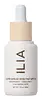
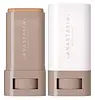
Ilia Super Serum Skin Tint SPF 40 Versus Anastasia Beverly Hills Beauty Balm Serum Boosted Skin Tint

What's inside
What's inside
 Key Ingredients
Benefits
Concerns
Ingredients Side-by-side
Zinc Oxide 12%
Cosmetic Colorant


Water
Skin ConditioningSqualane
Emollient


Shea Butter Ethyl Esters
Emollient

Isoamyl Laurate
Emollient
Polyglyceryl-3 Ricinoleate
Emulsifying
Butyloctyl Salicylate
Skin Conditioning
Propanediol
Solvent
Isopropyl Isostearate
Emollient


Polyglyceryl-3 Diisostearate
Emulsifying
Methylpropanediol
SolventNiacinamide
Smoothing








Sodium Chloride
MaskingLecithin
Emollient
Caprylyl Glycol
Emollient
Silica
Abrasive
Aloe Barbadensis Leaf Juice Powder
Skin Conditioning
Bisabolol
Antioxidant
Hydrolyzed Sodium Hyaluronate
Skin Conditioning
Allantoin
Skin Conditioning
Phenylpropanol
Masking

Sodium Myristoyl Glutamate
CleansingSodium Hyaluronate
Humectant
Tetrasodium Glutamate Diacetate
Aluminum Hydroxide
EmollientPolyhydroxystearic Acid
Emulsifying
CI 77491
Cosmetic ColorantCI 77492
Cosmetic ColorantCI 77499
Cosmetic ColorantCI 77891
Cosmetic ColorantZinc Oxide 12%, Water, Squalane, Shea Butter Ethyl Esters, Isoamyl Laurate, Polyglyceryl-3 Ricinoleate, Butyloctyl Salicylate, Propanediol, Isopropyl Isostearate, Polyglyceryl-3 Diisostearate, Methylpropanediol, Niacinamide, Sodium Chloride, Lecithin, Caprylyl Glycol, Silica, Aloe Barbadensis Leaf Juice Powder, Bisabolol, Hydrolyzed Sodium Hyaluronate, Allantoin, Phenylpropanol, Sodium Myristoyl Glutamate, Sodium Hyaluronate, Tetrasodium Glutamate Diacetate, Aluminum Hydroxide, Polyhydroxystearic Acid, CI 77491, CI 77492, CI 77499, CI 77891
Caprylic/Capric Triglyceride
Masking
Coco-Caprylate/Caprate
Emollient
Ethylhexyl Isononanoate
EmollientTribehenin
Emollient
C20-40 Alcohols
EmulsifyingButyrospermum Parkii Butter
Skin Conditioning
Corn Starch Modified
AbsorbentPolyester-7
Skin ConditioningLauroyl Lysine
Skin Conditioning
Polymethylsilsesquioxane

Simmondsia Chinensis Seed Oil
Emollient
Hdi/Trimethylol Hexyllactone Crosspolymer
Neopentyl Glycol Diheptanoate
EmollientSilica
Abrasive
Polyethylene
Abrasive
Caprylyl Glycol
Emollient
Cocos Nucifera Oil
Masking
Sclerocarya Birrea Seed Oil
Humectant
Lecithin
Emollient
Dipalmitoyl Hydroxyproline
Skin Conditioning
Astrocaryum Murumuru Seed Butter
Emollient
Tocopheryl Acetate
Antioxidant
Helianthus Annuus Seed Oil
Emollient
Pentaerythrityl Tetraisostearate
Emollient
Palmitic Acid
Emollient
Ricinus Communis Seed Oil
Masking
Sodium Hyaluronate
Humectant
Hydrogenated Castor Oil
Emollient
Polygonum Aviculare Extract
EmollientWater
Skin ConditioningPropylene Carbonate
SolventStearalkonium Hectorite
Gel FormingPalmitoyl Tripeptide-1
Skin Conditioning
Tocopherol
Antioxidant
CI 77891
Cosmetic ColorantIron Oxides
Caprylic/Capric Triglyceride, Coco-Caprylate/Caprate, Ethylhexyl Isononanoate, Tribehenin, C20-40 Alcohols, Butyrospermum Parkii Butter, Corn Starch Modified, Polyester-7, Lauroyl Lysine, Polymethylsilsesquioxane, Simmondsia Chinensis Seed Oil, Hdi/Trimethylol Hexyllactone Crosspolymer, Neopentyl Glycol Diheptanoate, Silica, Polyethylene, Caprylyl Glycol, Cocos Nucifera Oil, Sclerocarya Birrea Seed Oil, Lecithin, Dipalmitoyl Hydroxyproline, Astrocaryum Murumuru Seed Butter, Tocopheryl Acetate, Helianthus Annuus Seed Oil, Pentaerythrityl Tetraisostearate, Palmitic Acid, Ricinus Communis Seed Oil, Sodium Hyaluronate, Hydrogenated Castor Oil, Polygonum Aviculare Extract, Water, Propylene Carbonate, Stearalkonium Hectorite, Palmitoyl Tripeptide-1, Tocopherol, CI 77891, Iron Oxides
Reviews
Alternatives
Ingredients Explained
These ingredients are found in both products.
Ingredients higher up in an ingredient list are typically present in a larger amount.
Caprylyl Glycol is a humectant, skin conditioner, emollient, and preservative booster derived from either caprylic acid or synthetically created.
Typical use levels vary from 0.3-1% as a preservative booster and go up to 2% to condition skin.
Because it is not a free-fatty acid, this ingredient is fungal acne safe (there's nothing for Malassezia to feed on).
Learn more about Caprylyl GlycolCi 77891 is a white pigment from Titanium dioxide. It is naturally found in minerals such as rutile and ilmenite.
It's main function is to add a white color to cosmetics. It can also be mixed with other colors to create different shades.
Ci 77891 is commonly found in sunscreens due to its ability to block UV rays.
Learn more about CI 77891Lecithin is a term for a group of substances found in the cell membranes of plants, animals, and humans. They are made up of phospholipids.
Thanks to its amphiphilic structure (water-loving head and oil-loving tail), it is a true multitasker:
It plays well with most ingredients and is typically used at 0.1-1%. However, concentrations up to 50% have been reported in moisturizers.
Learn more about LecithinSilica, also known as silicon dioxide, is a naturally occurring mineral. It is used as a fine, spherical, and porous powder in cosmetics.
Though it has exfoliant properties, the function of silica varies depending on the product.
The unique structure of silica enhances the spreadability and adds smoothness, making it a great texture enhancer.
It is also used as an active carrier, emulsifier, and mattifier due to its ability to absorb excess oil.
In some products, tiny microneedles called spicules are made from silica or hydrolyzed sponge. When you rub them in, they lightly polish away dead skin layers and enhance the penetration of active ingredients.
Learn more about SilicaSodium Hyaluronate is the salt form of hyaluronic acid. It is a long sugar chain that is naturally found in your skin, joints, and connective tissue that maintains hydration and elasticity.
In skincare, it works as a humectant. It pulls water from the environment and deeper layers of skin and binds it to the surface.
Interestingly, the size of the molecule affects its behavior:
Some clinical evidence links low molecular weight versions to improved wrinkle depth, elasticity, anti-inflammatory effects, and barrier repair.
Many serums use a blend of both weights so you can get surface hydration plus longer-lasting and deeper effects.
You'll typically see concentrations between 0.1-2% for this ingredient.
Learn more about Sodium HyaluronateWater. It's the most common cosmetic ingredient of all. You'll usually see it at the top of ingredient lists, meaning that it makes up the largest part of the product.
So why is it so popular? Water most often acts as a solvent - this means that it helps dissolve other ingredients into the formulation.
You'll also recognize water as that liquid we all need to stay alive. If you see this, drink a glass of water. Remember to stay hydrated!
Learn more about Water

