

What's inside
What's inside
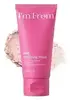 Key Ingredients
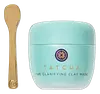
Benefits
Concerns
Ingredients Side-by-side
Water
Skin ConditioningKaolin
Abrasive



Dipropylene Glycol
HumectantPropanediol
Solvent

Cetyl Alcohol
Emollient



Cellulose
Absorbent
Caprylic/Capric Triglyceride
Masking
1,2-Hexanediol
Skin Conditioning
Arachidyl Alcohol
Emollient
Glyceryl Stearate
Emollient
Isononyl Isononanoate
EmollientPalmitic Acid
Emollient


Beta Vulgaris Root Powder 1.5%
Antioxidant
Stearic Acid
Cleansing
Behenyl Alcohol
Emollient
Beta Vulgaris Root Extract
Skin ConditioningCocos Nucifera Fruit Powder
Skin Conditioning
Bentonite
Absorbent
Arachidyl Glucoside
EmulsifyingPrunus Persica Seed Powder
Abrasive
Polyacrylate-13
Xanthan Gum
EmulsifyingHydrogenated Polyisobutene
EmollientPotassium Cetyl Phosphate
EmulsifyingDisodium EDTA
ChelatingCI 77491
Cosmetic ColorantPolyglyceryl-10 Laurate
Skin Conditioning
Ethylhexyl Palmitate
Emollient
Myristic Acid
Cleansing
Sorbitan Isostearate
Emulsifying
Glucose
Humectant
Panthenol
Skin Conditioning

Sucrose
Humectant
Gluconolactone
Chelating



Citric Acid
Buffering
Parfum
Masking


Hydroxyacetophenone
Antioxidant
Ethylhexylglycerin
Skin ConditioningWater, Kaolin, Dipropylene Glycol, Propanediol, Cetyl Alcohol, Cellulose, Caprylic/Capric Triglyceride, 1,2-Hexanediol, Arachidyl Alcohol, Glyceryl Stearate, Isononyl Isononanoate, Palmitic Acid, Beta Vulgaris Root Powder 1.5%, Stearic Acid, Behenyl Alcohol, Beta Vulgaris Root Extract, Cocos Nucifera Fruit Powder, Bentonite, Arachidyl Glucoside, Prunus Persica Seed Powder, Polyacrylate-13, Xanthan Gum, Hydrogenated Polyisobutene, Potassium Cetyl Phosphate, Disodium EDTA, CI 77491, Polyglyceryl-10 Laurate, Ethylhexyl Palmitate, Myristic Acid, Sorbitan Isostearate, Glucose, Panthenol, Sucrose, Gluconolactone, Citric Acid, Parfum, Hydroxyacetophenone, Ethylhexylglycerin
Glycerin
Humectant
Butylene Glycol
Humectant
Kaolin
Abrasive
Illite
Abrasive
Propanediol
Solvent
Bentonite
Absorbent
Water
Skin ConditioningGlucomannan
Skin ConditioningGlyceryl Stearate Se
Emulsifying
Hydroxyapatite
Abrasive
Behenyl Alcohol
Emollient
Maris Sal
Skin ConditioningStearyl Alcohol
Emollient
Parfum
Masking
Saccharomyces/Rice Ferment Filtrate
Skin Conditioning
Camellia Sinensis Leaf Extract
Antimicrobial
Cladosiphon Okamuranus Extract
Skin Conditioning
Dipotassium Glycyrrhizate
Humectant
Niacinamide
Smoothing

Volcanic Soil
Skin Conditioning
Quillaja Saponaria Bark Extract
CleansingSapindus Mukorossi Peel Extract
Skin ConditioningRosa Multiflora Fruit Extract
MaskingBelamcanda Chinensis Root Extract
Skin ConditioningEriobotrya Japonica Leaf Extract
Skin ConditioningHouttuynia Cordata Extract
Skin Conditioning
Tocopherol
Antioxidant
Cellulose Acetate
Lauryl Glucoside
CleansingCapryloyl Glycine
CleansingPropylene Glycol Stearate
Skin Conditioning
Magnesium Stearate
Cosmetic ColorantAcrylates/Ammonium Methacrylate Copolymer
Alcohol
Antimicrobial

Ethylhexylglycerin
Skin ConditioningPhenoxyethanol
Preservative
Citral
Perfuming
Limonene
Perfuming
Linalool
Perfuming
CI 77891
Cosmetic ColorantCI 77491
Cosmetic ColorantGlycerin, Butylene Glycol, Kaolin, Illite, Propanediol, Bentonite, Water, Glucomannan, Glyceryl Stearate Se, Hydroxyapatite, Behenyl Alcohol, Maris Sal, Stearyl Alcohol, Parfum, Saccharomyces/Rice Ferment Filtrate, Camellia Sinensis Leaf Extract, Cladosiphon Okamuranus Extract, Dipotassium Glycyrrhizate, Niacinamide, Volcanic Soil, Quillaja Saponaria Bark Extract, Sapindus Mukorossi Peel Extract, Rosa Multiflora Fruit Extract, Belamcanda Chinensis Root Extract, Eriobotrya Japonica Leaf Extract, Houttuynia Cordata Extract, Tocopherol, Cellulose Acetate, Lauryl Glucoside, Capryloyl Glycine, Propylene Glycol Stearate, Magnesium Stearate, Acrylates/Ammonium Methacrylate Copolymer, Alcohol, Ethylhexylglycerin, Phenoxyethanol, Citral, Limonene, Linalool, CI 77891, CI 77491
Reviews
Ingredients Explained
These ingredients are found in both products.
Ingredients higher up in an ingredient list are typically present in a larger amount.
Behenyl Alcohol is a type of fatty alcohol (these are different from the drying, solvent alcohols).
Fatty Alcohols have hydrating properties and are most often used as an emollient or to thicken a product. They are usually derived from natural fats and oils; behenyl alcohol is derived from the fats of vegetable oils.
Emollients help keep your skin soft and hydrated by creating a film that traps moisture in.
In 2000, Behenyl Alcohol was approved by the US as medicine to reduce the duration of cold sores.
Learn more about Behenyl AlcoholBentonite is an aluminium phyllosilicate clay with great absorbent properties. The name 'bentonite' comes from the area where the largest source is found: Fort Benton, Wyoming.
As a clay, bentonite is often used to absorb excess oil and provide exfoliation. It has also been shown to have some antibacterial and anti-inflammatory properties. Studies show bentonite was effective at calming dermatitis from poison ivy and in diaper dermatitis of infants. Bentonite has also been shown to act as a barrier against toxic compounds on your skin.
Sunscreens containing bentonite display higher water resistance and stay on the skin for much longer. The sunscreens containing bentonite also show higher potency and UV light absorbtion.
Bentonite is naturally created from volcanic ash and several natural weathering/hydrothermal processes.
A common usage of bentonite is removing excess protein from white wines. Bentonite contains a property of being able to absorb large amounts of protein from aqueous solutions.
Phyllosilicate clay has a structure formed by sheets.
Learn more about BentoniteCi 77491 is also hydrated iron III oxide. It's sole purpose is to give a red/pink hue to products.
Iron III oxides are classified as inorganic chemicals for coloring.
Synthetically created Ci 77491 is considered safer than those naturally found. This is because the synthetically created version may contain less impurities. Iron oxides are generally non-toxic and non-allergenic.
Learn more about CI 77491Ethylhexylglycerin is created from glycerin. It is a multitasker ingredient that:
The CIR Expert Panel found minimal skin absorption or sensitization of any kind in a safety assessment. Though this ingredient is considered well-tolerated, a small number of cases of allergic dermatitis have been published since 2002. Just be sure to patch test if you are unsure.
Industry-reported use ranges from 8% in rinse-off products and 2% in leave-on formulations.
Learn more about EthylhexylglycerinKaolin is a clay. It is used for oil control and to help minimize pores. Like other clays, kaolin has the ability to absorb excess sebum or oil. This can help clean out pores and mattify the skin.
Some types of kaolin may have exfoliating properties. When water is added to kaolin, it becomes a paste with small abrasive particles.
Most kaolin is a white color, but may be pink/orange/red depending on where it comes from.
The name 'kaolin' comes from a Chinese village named 'Gaoling'. Kaolin clay comes from rocks rich in kaolinite. Kaolinite, the mineral, has a silicate layered structure. Kaolinite is formed from chemical weathering of aluminum siilicate minerals.
Besides skincare, kaolin is commonly used to make glossy paper, in ceramics, toothpaste, and as medicine to soothe stomach issues.
Learn more about KaolinParfum is a catch-all term for an ingredient or more that is used to give a scent to products.
Also called "fragrance", this ingredient can be a blend of hundreds of chemicals or plant oils. This means every product with "fragrance" or "parfum" in the ingredients list is a different mixture.
For instance, Habanolide is a proprietary trade name for a specific aroma chemical. When used as a fragrance ingredient in cosmetics, most aroma chemicals fall under the broad labeling category of “FRAGRANCE” or “PARFUM” according to EU and US regulations.
The term 'parfum' or 'fragrance' is not regulated in many countries. In many cases, it is up to the brand to define this term.
For instance, many brands choose to label themselves as "fragrance-free" because they are not using synthetic fragrances. However, their products may still contain ingredients such as essential oils that are considered a fragrance by INCI standards.
One example is Calendula flower extract. Calendula is an essential oil that still imparts a scent or 'fragrance'.
Depending on the blend, the ingredients in the mixture can cause allergies and sensitivities on the skin. Some ingredients that are known EU allergens include linalool and citronellol.
Parfum can also be used to mask or cover an unpleasant scent.
The bottom line is: not all fragrances/parfum/ingredients are created equally. If you are worried about fragrances, we recommend taking a closer look at an ingredient. And of course, we always recommend speaking with a professional.
Learn more about ParfumPropanediol is an all-star ingredient. It softens, hydrates, and smooths the skin.
It’s often used to:
Propanediol is not likely to cause sensitivity and considered safe to use. It is derived from corn or petroleum with a clear color and no scent.
Learn more about PropanediolWater. It's the most common cosmetic ingredient of all. You'll usually see it at the top of ingredient lists, meaning that it makes up the largest part of the product.
So why is it so popular? Water most often acts as a solvent - this means that it helps dissolve other ingredients into the formulation.
You'll also recognize water as that liquid we all need to stay alive. If you see this, drink a glass of water. Remember to stay hydrated!
Learn more about Water

