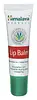
This lip moisturizer is formulated around Petrolatum and Daucus Carota Sativa Seed Oil to hydrate lips.
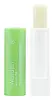
This barrier-repair lip moisturizer is formulated around Ricinus Communis Seed Oil and Petrolatum to strengthen the lip barrier and hydrate lips.


What's inside
What's inside
 Key Ingredients
Benefits
Concerns
Ingredients Side-by-side

Ricinus Communis Seed Oil
Masking




Petrolatum
Emollient

C12-15 Alkyl Benzoate
AntimicrobialOlea Europaea Fruit Oil
Masking

Bis-Diglyceryl Polyacyladipate-2
Emollient
Ethylhexyl Methoxycinnamate
UV Absorber

Polyethylene
Abrasive
Butyl Methoxydibenzoylmethane
UV Absorber
Di-C20-40 Alkyl Dimer Dilinoleate
Skin ConditioningMicrocrystalline Wax
Emulsion StabilisingButyrospermum Parkii Butter
Skin Conditioning
Macadamia Ternifolia Seed Oil
Emollient
C10-30 Cholesterol/Lanosterol Esters
Emulsifying
Zinc Oxide
Cosmetic Colorant
Phenoxyethanol
Preservative
Simmondsia Chinensis Seed Oil
Emollient
Parfum
Masking
Tocopheryl Acetate
Antioxidant


Ethylhexylglycerin
Skin Conditioning1,2-Hexanediol
Skin Conditioning
Caprylyl Glycol
Emollient
Allantoin
Skin Conditioning

Glycine Soja Oil
Emollient
BHT
Antioxidant
Persea Gratissima Oil
Skin Conditioning
Camellia Sinensis Leaf
Perfuming

Triethoxycaprylylsilane

Water
Skin ConditioningBisabolol
Antioxidant
Isobornyl Acetate
Masking
Calendula Officinalis Flower Extract
Masking
Chamomilla Recutita Flower Extract
Masking
Fucus Vesiculosus Extract
Emollient
Triticum Vulgare Bran Extract
Skin ConditioningLinoleic Acid
Cleansing
Potassium Sorbate
Preservative
Sodium Benzoate
Masking
Tocopherol
Antioxidant
Citric Acid
Buffering
Ricinus Communis Seed Oil, Petrolatum, C12-15 Alkyl Benzoate, Olea Europaea Fruit Oil, Bis-Diglyceryl Polyacyladipate-2, Ethylhexyl Methoxycinnamate, Polyethylene, Butyl Methoxydibenzoylmethane, Di-C20-40 Alkyl Dimer Dilinoleate, Microcrystalline Wax, Butyrospermum Parkii Butter, Macadamia Ternifolia Seed Oil, C10-30 Cholesterol/Lanosterol Esters, Zinc Oxide, Phenoxyethanol, Simmondsia Chinensis Seed Oil, Parfum, Tocopheryl Acetate, Ethylhexylglycerin, 1,2-Hexanediol, Caprylyl Glycol, Allantoin, Glycine Soja Oil, BHT, Persea Gratissima Oil, Camellia Sinensis Leaf, Triethoxycaprylylsilane, Water, Bisabolol, Isobornyl Acetate, Calendula Officinalis Flower Extract, Chamomilla Recutita Flower Extract, Fucus Vesiculosus Extract, Triticum Vulgare Bran Extract, Linoleic Acid, Potassium Sorbate, Sodium Benzoate, Tocopherol, Citric Acid
Reviews
Ingredients Explained
These ingredients are found in both products.
Ingredients higher up in an ingredient list are typically present in a larger amount.
BHT is a synthetic antioxidant and preservative.
As an antioxidant, it helps your body fight off free-radicals. Free-radicals are molecules that may damage your skin cells.
As a preservative, it is used to stabilize products and prevent them from degrading. Specifically, BHT prevents degradation from oxidation.
The concerns related to BHT come from oral studies; this ingredient is currently allowed for use by both the FDA and EU.
However, it was recently restricted for use in the UK as of April 2024.
Learn more about BHTMicrocrystalline Wax is derived from petroleum through a de-oiling process, then highly refined and purified before use in cosmetics.
In skincare formulations, it is used to improve texture and create a smooth, even consistency. It also helps stabilize products by preventing ingredients from separating.
Parfum is a catch-all term for an ingredient or more that is used to give a scent to products.
Also called "fragrance", this ingredient can be a blend of hundreds of chemicals or plant oils. This means every product with "fragrance" or "parfum" in the ingredients list is a different mixture.
For instance, Habanolide is a proprietary trade name for a specific aroma chemical. When used as a fragrance ingredient in cosmetics, most aroma chemicals fall under the broad labeling category of “FRAGRANCE” or “PARFUM” according to EU and US regulations.
The term 'parfum' or 'fragrance' is not regulated in many countries. In many cases, it is up to the brand to define this term.
For instance, many brands choose to label themselves as "fragrance-free" because they are not using synthetic fragrances. However, their products may still contain ingredients such as essential oils that are considered a fragrance by INCI standards.
One example is Calendula flower extract. Calendula is an essential oil that still imparts a scent or 'fragrance'.
Depending on the blend, the ingredients in the mixture can cause allergies and sensitivities on the skin. Some ingredients that are known EU allergens include linalool and citronellol.
Parfum can also be used to mask or cover an unpleasant scent.
The bottom line is: not all fragrances/parfum/ingredients are created equally. If you are worried about fragrances, we recommend taking a closer look at an ingredient. And of course, we always recommend speaking with a professional.
Learn more about ParfumPetrolatum is more commonly known as petroleum jelly. It is created by mixing waxes and mineral oils.
This ingredient is effective at reducing water loss by 99%. This is because it is an occlusive. Occlusives create a hydrophobic barrier on the skin to prevent evaporation. This property makes it great for hydrating dry skin.
Pro tip: Use occlusives, such as this ingredient, on damp skin for the best results.
The quality or origin of petrolatum is only known when disclosed by the brand. Most cosmetic petrolatum has gone through several purification stages.
Another benefit of occlusives is it protects your skin against infection or allergies.
Petrolatum is fungal acne safe. It is a hydrocarbon with no fatty acid structure, so Malassezia cannot metabolize it. In-vitro studies support negligible growth stimulation as well.
It's also worth noting that petrolatum has a comedogenic rating of 0. In updated rabbit ear testing (and in human testing), petrolatum was found to be not comedogenic. This means it didn’t promote comedone formation in standard models.
Learn more about PetrolatumThis ingredient is also known as castor oil. It is a skin conditioning ingredient.
The star component of castor oil is ricinoleic acid, an unusual fatty acid that makes up ~80-92% of its composition.
In skincare, it is an emollient that dries down to a solid film with water-binding properties. This helps keep skin hydrated and helps reduce transepidermal water loss (TEWL).
A 2026 dermatology review pulls together its broader uses:
Human clinical testing found this ingredient to be non-irritating and non-sensitizing.
Because castor oil contains fatty acids in the C11-24 range, this ingredient may not be fungal acne safe.
At this time, the literature does not support castor oil in regrowing hair. A 2022 systematic review found no strong evidence that it supports hair growth and only weak evidence that it improves hair shine.
Castor oil itself carries "perfuming" and "masking" function tags according to the official CosIng database. This is because of its mild odor and odor-dampening properties.
Learn more about Ricinus Communis Seed Oil

