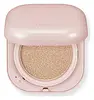
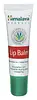
Laneige Neo Cushion Glow Versus Himalaya Lip Balm
This lip moisturizer is formulated around Petrolatum and Daucus Carota Sativa Seed Oil to hydrate lips.


What's inside
What's inside
 Key Ingredients
Benefits
Concerns
Ingredients Side-by-side
Water
Skin ConditioningCyclopentasiloxane
Emollient
CI 77891
Cosmetic ColorantPhenyl Trimethicone
Skin Conditioning
Homosalate
Skin Conditioning

Glycerin
Humectant


Ethylhexyl Methoxycinnamate
UV Absorber
Titanium Dioxide
Cosmetic Colorant
PEG-10 Dimethicone
Skin Conditioning
Cyclohexasiloxane
Emollient
Boron Nitride
Absorbent
Trimethylsiloxysilicate
Emollient
Niacinamide
Smoothing








Lauryl PEG-10 Tris(Trimethylsiloxy)Silylethyl Dimethicone
Emulsifying
Propanediol
Solvent
Polymethyl Methacrylate
1,2-Hexanediol
Skin Conditioning
Acrylates/Dimethicone Copolymer
Skin Conditioning
Disteardimonium Hectorite
StabilisingCI 77492
Cosmetic ColorantSodium Chloride
MaskingAlumina
Abrasive
CI 77163
Cosmetic Colorant

Glyceryl Stearate Citrate
Emollient

Polysorbate 80
Emulsifying
Disodium Stearoyl Glutamate
CleansingParfum
Masking

Aluminum Hydroxide
EmollientDimethicone/PEG-10/15 Crosspolymer
Caprylyl Glycol
Emollient
CI 77491
Cosmetic ColorantHydrogenated Lecithin
Emulsifying
Ethylhexyl Hydroxystearate
Emollient
Simethicone
Emollient
Glyceryl Caprylate
EmollientEthylhexylglycerin
Skin ConditioningCI 77499
Cosmetic ColorantDisodium EDTA
ChelatingAdenosine
Skin Conditioning
Triethoxycaprylylsilane
Citronellol
Perfuming
Geraniol
Perfuming
Limonene
Perfuming
Dipropylene Glycol
HumectantBHT
Antioxidant
Hydroxycitronellal
Perfuming
Thymol Trimethoxycinnamate
Antioxidant
Sodium Citrate
BufferingTocopherol
Antioxidant
Sodium Benzoate
Masking
Lactic Acid
Buffering
Potassium Sorbate
Preservative
Diamond Powder
Abrasive
Xanthan Gum
EmulsifyingWater, Cyclopentasiloxane, CI 77891, Phenyl Trimethicone, Homosalate, Glycerin, Ethylhexyl Methoxycinnamate, Titanium Dioxide, PEG-10 Dimethicone, Cyclohexasiloxane, Boron Nitride, Trimethylsiloxysilicate, Niacinamide, Lauryl PEG-10 Tris(Trimethylsiloxy)Silylethyl Dimethicone, Propanediol, Polymethyl Methacrylate, 1,2-Hexanediol, Acrylates/Dimethicone Copolymer, Disteardimonium Hectorite, CI 77492, Sodium Chloride, Alumina, CI 77163, Glyceryl Stearate Citrate, Polysorbate 80, Disodium Stearoyl Glutamate, Parfum, Aluminum Hydroxide, Dimethicone/PEG-10/15 Crosspolymer, Caprylyl Glycol, CI 77491, Hydrogenated Lecithin, Ethylhexyl Hydroxystearate, Simethicone, Glyceryl Caprylate, Ethylhexylglycerin, CI 77499, Disodium EDTA, Adenosine, Triethoxycaprylylsilane, Citronellol, Geraniol, Limonene, Dipropylene Glycol, BHT, Hydroxycitronellal, Thymol Trimethoxycinnamate, Sodium Citrate, Tocopherol, Sodium Benzoate, Lactic Acid, Potassium Sorbate, Diamond Powder, Xanthan Gum



Reviews
Ingredients Explained
These ingredients are found in both products.
Ingredients higher up in an ingredient list are typically present in a larger amount.
BHT is a synthetic antioxidant and preservative.
As an antioxidant, it helps your body fight off free-radicals. Free-radicals are molecules that may damage your skin cells.
As a preservative, it is used to stabilize products and prevent them from degrading. Specifically, BHT prevents degradation from oxidation.
The concerns related to BHT come from oral studies; this ingredient is currently allowed for use by both the FDA and EU.
However, it was recently restricted for use in the UK as of April 2024.
Learn more about BHTParfum is a catch-all term for an ingredient or more that is used to give a scent to products.
Also called "fragrance", this ingredient can be a blend of hundreds of chemicals or plant oils. This means every product with "fragrance" or "parfum" in the ingredients list is a different mixture.
For instance, Habanolide is a proprietary trade name for a specific aroma chemical. When used as a fragrance ingredient in cosmetics, most aroma chemicals fall under the broad labeling category of “FRAGRANCE” or “PARFUM” according to EU and US regulations.
The term 'parfum' or 'fragrance' is not regulated in many countries. In many cases, it is up to the brand to define this term.
For instance, many brands choose to label themselves as "fragrance-free" because they are not using synthetic fragrances. However, their products may still contain ingredients such as essential oils that are considered a fragrance by INCI standards.
One example is Calendula flower extract. Calendula is an essential oil that still imparts a scent or 'fragrance'.
Depending on the blend, the ingredients in the mixture can cause allergies and sensitivities on the skin. Some ingredients that are known EU allergens include linalool and citronellol.
Parfum can also be used to mask or cover an unpleasant scent.
The bottom line is: not all fragrances/parfum/ingredients are created equally. If you are worried about fragrances, we recommend taking a closer look at an ingredient. And of course, we always recommend speaking with a professional.
Learn more about Parfum

