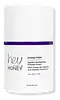
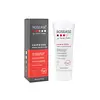
Hey honey Stand Firm Ageless Revitalizing Firming Cream Versus Anna Lotan Rosease Calm & Cool Daily Moisturizer
This anti-aging moisturizer is formulated around Honey Extract and Acetyl Hexapeptide-8 to soften the look of wrinkles and hydrate skin.
This calming moisturizer is formulated around Simmondsia Chinensis Seed Oil and Squalane to calm redness and hydrate skin.


What's inside
What's inside
 Key Ingredients
Benefits
Concerns
Ingredients Side-by-side
Water
Skin ConditioningPropanediol
Solvent

Glycerin
Humectant
Caprylic/Capric Triglyceride
Masking
Cannabis Sativa Seed Oil
Emollient


Cetearyl Alcohol
Emollient



Dicaprylyl Ether
Emollient
Butyrospermum Parkii Butter
Skin Conditioning
Hydrogenated Palm Kernel Glycerides
EmollientGlyceryl Stearate Citrate
Emollient
Cetyl Palmitate
Emollient
Glyceryl Stearate
Emollient
Euphorbia Cerifera Wax
Microcrystalline Cellulose
AbsorbentPotassium Cetyl Phosphate
EmulsifyingRosa Canina Seed Oil
Emollient
Hydroxyacetophenone
Antioxidant
Simmondsia Chinensis Seed Oil
Emollient
Butylene Glycol
Humectant
Honey Extract
Humectant
Ceratonia Siliqua Gum
EmollientBiosaccharide Gum-1
Humectant
Caprylhydroxamic Acid
ChelatingHydroxyethylcellulose
Emulsion StabilisingSodium Stearoyl Glutamate
CleansingSodium Hyaluronate
Humectant


Acetyl Hexapeptide-8
Humectant
Pelargonium Graveolens Oil
Masking



Elettaria Cardamomum Seed Extract
Perfuming
Pholiota Microspora Polysaccharides
EmollientHydrogenated Palm Glycerides
Emollient
Ethylhexylglycerin
Skin ConditioningXanthan Gum
EmulsifyingCellulose Gum
Emulsion StabilisingTocopherol
Antioxidant


Phenethyl Alcohol
MaskingBeta-Sitosterol
Emulsion Stabilising
Squalene
Emollient
Sodium Phytate
ChelatingZymomonas Ferment Extract
HumectantMaltodextrin
Absorbent
Lithospermum Erythrorhizon Root Extract
Skin ConditioningHippophae Rhamnoides Fruit Oil
Skin Protecting
Water, Propanediol, Glycerin, Caprylic/Capric Triglyceride, Cannabis Sativa Seed Oil, Cetearyl Alcohol, Dicaprylyl Ether, Butyrospermum Parkii Butter, Hydrogenated Palm Kernel Glycerides, Glyceryl Stearate Citrate, Cetyl Palmitate, Glyceryl Stearate, Euphorbia Cerifera Wax, Microcrystalline Cellulose, Potassium Cetyl Phosphate, Rosa Canina Seed Oil, Hydroxyacetophenone, Simmondsia Chinensis Seed Oil, Butylene Glycol, Honey Extract, Ceratonia Siliqua Gum, Biosaccharide Gum-1, Caprylhydroxamic Acid, Hydroxyethylcellulose, Sodium Stearoyl Glutamate, Sodium Hyaluronate, Acetyl Hexapeptide-8, Pelargonium Graveolens Oil, Elettaria Cardamomum Seed Extract, Pholiota Microspora Polysaccharides, Hydrogenated Palm Glycerides, Ethylhexylglycerin, Xanthan Gum, Cellulose Gum, Tocopherol, Phenethyl Alcohol, Beta-Sitosterol, Squalene, Sodium Phytate, Zymomonas Ferment Extract, Maltodextrin, Lithospermum Erythrorhizon Root Extract, Hippophae Rhamnoides Fruit Oil
Water
Skin ConditioningCaprylic/Capric Triglyceride
Masking
Propanediol
Solvent
Cetyl Alcohol
Emollient
Glycerin
Humectant
Glyceryl Stearate
Emollient
Potassium Cetyl Phosphate
EmulsifyingSimmondsia Chinensis Seed Oil
Emollient
Squalane
Emollient
Limnanthes Alba Seed Oil
Skin Conditioning
Opuntia Ficus-Indica Stem Extract
Skin Conditioning
Pholiota Microspora Polysaccharides
EmollientButylene Glycol
Humectant
Sodium Cocoyl Amino Acids
Cleansing
Sarcosine
Skin Conditioning
Potassium Aspartate
Skin ConditioningMagnesium Aspartate
Skin ConditioningCapparis Spinosa Fruit Extract
Skin ConditioningHydroxyacetophenone
Antioxidant
Hydroxyethyl Acrylate/Sodium Acryloyldimethyl Taurate Copolymer
Emulsion StabilisingPolyacrylate Crosspolymer-6
Emulsion StabilisingCaprylhydroxamic Acid
ChelatingOlea Europaea Leaf Extract
Perfuming
Aloe Barbadensis Leaf Juice Powder
Skin Conditioning
Dunaliella Salina Extract
Skin ConditioningTocopherol
Antioxidant
Beta-Sitosterol
Emulsion Stabilising
Squalene
Emollient
Ethylhexylglycerin
Skin ConditioningMaltodextrin
Absorbent
Sodium Phytate
ChelatingHumulus Lupulus Extract
AntimicrobialCeratonia Siliqua Gum
EmollientHelianthus Annuus Seed Oil
Emollient
Parfum
Masking
Butylphenyl Methylpropional
Perfuming
Limonene
Perfuming
Linalool
Perfuming
Water, Caprylic/Capric Triglyceride, Propanediol, Cetyl Alcohol, Glycerin, Glyceryl Stearate, Potassium Cetyl Phosphate, Simmondsia Chinensis Seed Oil, Squalane, Limnanthes Alba Seed Oil, Opuntia Ficus-Indica Stem Extract, Pholiota Microspora Polysaccharides, Butylene Glycol, Sodium Cocoyl Amino Acids, Sarcosine, Potassium Aspartate, Magnesium Aspartate, Capparis Spinosa Fruit Extract, Hydroxyacetophenone, Hydroxyethyl Acrylate/Sodium Acryloyldimethyl Taurate Copolymer, Polyacrylate Crosspolymer-6, Caprylhydroxamic Acid, Olea Europaea Leaf Extract, Aloe Barbadensis Leaf Juice Powder, Dunaliella Salina Extract, Tocopherol, Beta-Sitosterol, Squalene, Ethylhexylglycerin, Maltodextrin, Sodium Phytate, Humulus Lupulus Extract, Ceratonia Siliqua Gum, Helianthus Annuus Seed Oil, Parfum, Butylphenyl Methylpropional, Limonene, Linalool
Ingredients Explained
These ingredients are found in both products.
Ingredients higher up in an ingredient list are typically present in a larger amount.
Beta-Sitosterol is a plant-derived fatty acid with a structure similar to cholesterol (which naturally occurs in skin). It helps hydrate the skin and stabilize formulations.
This ingredient can be naturally found in fruits, veggies, nuts, and seeds.
Butylene Glycol (or BG) is used within cosmetic products for a few different reasons:
Overall, Butylene Glycol is a safe and well-rounded ingredient that works well with other ingredients.
Though this ingredient works well with most skin types, some people with sensitive skin may experience a reaction such as allergic rashes, closed comedones, or itchiness.
Learn more about Butylene GlycolCaprylhydroxamic Acid is a chelating agent that helps cosmetics stay fresh, stable, and consistent over time.
Chelating agents help prevent metal ions from binding to other ingredients. This helps prevent unwanted reactions and effects from using the product. It also helps prevent the growth of unwanted microbes in products that contain water.
Caprylhydroxamic Acid is often used with natural antimicrobial products as an alternative to preservatives.
Learn more about Caprylhydroxamic AcidCaprylic/Capric Triglyceride (aka MCT Oil) is a lightweight emollient, solvent, and texture enhancer. It is considered a skin-softener by helping to prevent moisture loss.
Though it behaves like an oil, it is not technically one due to its chemical composition. One perk of this ingredient is that it is very stable, resistant to oxidation, and unlikely to go rancid.
In practice, that translates to a long shelf life and a consistently elegant skin feel.
While there is an assumption Caprylic Triglyceride can clog pores due to it being derived from coconut oil, there is no research supporting this. Just patch test if you have concerns.
Fractionated coconut oil and MCT Oil are both listed as Caprylic/Capric Triglyceride according to INCI. This is because INCI names are based on the ingredient’s final chemical composition and not its marketing name or source.
This ingredient is treated as the gold standard fungal acne safe oil. Even though it is coconut derived, the problematic lauric acid is stripped out.
This leaves just caprylic (C8) and capric (C10) acid. These chain lengths actually trend antifungal; a 2020 study found caprylic acid was enough to disrupt Malassezia furfur cell membrane, with a caprylic acid derivative damaging membrane structures at concentrations as low as 0.2%.
Learn more about Caprylic/Capric TriglycerideCeratonia Siliqua Gum is extracted from the seeds of the carob tree. You might know this ingredient as Carob Gum or Locust Bean Gum. It is used to stabilize other ingredients and improve the texture of products.
Carob gum is made up of long-chain polysaccharides. This makes it a natural thickener.
Yes! This ingredient comes from the seeds of a tree. The name 'Locust Bean Gum' can be misleading.
Learn more about Ceratonia Siliqua GumEthylhexylglycerin is created from glycerin. It is a multitasker ingredient that:
The CIR Expert Panel found minimal skin absorption or sensitization of any kind in a safety assessment. Though this ingredient is considered well-tolerated, a small number of cases of allergic dermatitis have been published since 2002. Just be sure to patch test if you are unsure.
Industry-reported use ranges from 8% in rinse-off products and 2% in leave-on formulations.
Learn more about EthylhexylglycerinGlycerin (or glycerol) is a compound naturally found in your skin. It's a powerhouse humectant that pulls water into the stratum corneum.
Topically, glycerin does several things at once:
Your skin makes glycerin on its own (mostly from sebaceous oil breakdown) and shuttles it to your outermost layer of skin, or your epidermis, via aquaporin-3.
Aquaporin-3 is a transporter that is essential for normal skin hydration, elasticity, and repair. Interestingly, mice lacking in AQP3 have dry and less elastic skin that can be fully corrected with glycerin.
This ingredient is non-irritating, plays well with almost every ingredient, and works across all skin types. Typical use is anywhere between 3-10% but can go up to 79% in some leave-on products.
Just know very high concentrations (>40%) can feel tacky in low humidity.
Glycerin is the name for this ingredient in American English. British English uses Glycerol/Glycerine.
Learn more about GlycerinGlyceryl Stearate is made by reacting glycerin with stearic acid (typically sourced from plant oils like palm or coconut). It's an emulsifier, emollient, and mild occlusive.
Emulsifiers help ingredients like oil and water stay mixed so your formula stays nicely blended and uniform in texture.
This ingredient is typically used in concentrations between 1-10%. Studies have found it to be non-sensitizing, non-phototoxic, and non-photoallergenic.
A close cousin of this ingredient is Glyceryl Stearate SE ("self-emulsifying"). This just has a small amount of sodium or potassium stearate added so it can emulsify without a co-emulsifier.
Since this ingredient is an ester of a C18 fatty acid, it may not be fungal acne safe. The Malassezia yeast can potentially metabolize within the C11-C24 range.
Fun fact: The human body also creates Glyceryl Stearate naturally.
Learn more about Glyceryl StearateHydroxyacetophenone is a small phenolic molecule that earns its place in a formulas as an antioxidant and preservative booster.
As a phenol, it is able to neutralize free radicals to protect both the product and the skin from oxidative stress.
Though it can't kill microbes on its own, it works as a good supporting agent when combined with other preservatives like Phenoxyethanol or 1,2-Hexanediol.
This ingredient naturally occurs as piceol in Norwegian spruce needles (~0.4-1.1% dry weight and in cloudberries). Though the cosmetic-grade material is synthesized for purity and consistency.
You'll usually see it used at low levels and suppliers recommend up to 1% added to a water phase.
Safety testing was done at concentrations like 0.05% in SPF products and 0.5% in a Human Repeated Insult Patch Test. The safety evidence is assuring; this ingredient is safe for cosmetics in current use and also holds safety status as a food flavoring as well.
An honest caveat: the "soothing" and "anti-inflammatory" claims come mostly from supplier marketing rather than published clinical trials. The Cosmetic Ingredient Review's own literature search found no useful efficacy studies on this ingredient.
So the antioxidant and preservative-boosting roles are the well supported ones while the calming benefit is plausible but thinly evidenced.
Overall, this is a well-tolerated, low-irritation multitasker that quietly helps a formula stay fresh and stable.
Learn more about HydroxyacetophenoneMaltodextrin is a plant-derived carbohydrate made by breaking down starch (usually from corn, potato, or rice). In cosmetic formulas, it's a multitasking absorbent, emulsion stabilizer, and skin conditioner.
This ingredient is mostly used to stabilize emulsions and improve the powdery, non-greasy feel of products (like dry shampoos).
Safety-wise, this ingredient is pretty solid; it's even recognized as a food additive. Both animal and clinical studies found no adverse effects at the levels used in cosmetics.
Industry data shows this ingredient is used up to 45.7% in spray products and up to 33% in powder products.
Learn more about MaltodextrinWe don't have a description for Pholiota Microspora Polysaccharides yet.
Potassium Cetyl Phosphate is the potassium salt of a mixture. This mixture consists of the esters from phosphoricacid and cetyl alcohol.
Potassium Cetyl Phosphate is an emulsifier and cleansing agent. Emulsifiers help stabilize a product. It does this by preventing certain ingredients from separating.
As a cleansing agent, Potassium Cetyl Phosphate helps gather oils, dirts, and pollutants from your skin. This makes it easier to rinse them away with water.
Learn more about Potassium Cetyl PhosphatePropanediol is an all-star ingredient. It softens, hydrates, and smooths the skin.
It’s often used to:
Propanediol is not likely to cause sensitivity and considered safe to use. It is derived from corn or petroleum with a clear color and no scent.
Learn more about PropanediolJojoba oil is one of the most well-studied plant-derived ingredients in cosmetics. It is an emollient with a special structure.
Because it is made up of 97-98% wax esters, it closely mirrors the linear monoesters found in human sebum. This makes it skin compatible, non-greasy, and lightweight.
Unlike other plant oils, jojoba wax doesn't easily penetrate skin. It mostly works in the uppermost layers as an emollient. This just means it forms a light barrier on the skin to help retain moisture.
Formulations with jojoba esters up to 90% reduced transepidermal water loss (TEWL) and increased barrier recovery by 81% (outperforming bisabolol at 47%).
Besides barrier support, the science also suggests jojoba to have anti-inflammatory effects and potential applications for skin infections, aging, and wound healing.
Fun fact: Indigenous cultures have used jojoba as a moisturizer and to help treat burns for centuries.
Fungal acne: The Malassezia yeast is known to metabolize fatty acids in the C11-24 range and jojoba's dominant fatty acid components fall into this range. This ingredient may not be fungal acne safe.
Learn more about Simmondsia Chinensis Seed OilSodium Phytate is the sodium salt of Phytic acid, a compound that plants store phosphorus in. It's the plant-derived alternative to ingredients like Disodium EDTA.
In skincare, this ingredient is a chelator that grabs onto trace metal ions like iron and copper that sneak into formulas through water/raw materials.
Those metals speed up oxidation so binding them keeps oils, fragrance, and actives from going off, stops color changes, and helps the preservative system work harder.
Survey data shows usage levels range from 0.0099%-0.5% in leave-on products, 0.025%-0.3% in rinse-off, and up to 0.05% in eye-area products. Suppliers typically recommend a range between 0.05-0.5%.
Learn more about Sodium PhytateSqualene is one of the main components of skin surface lipids. It is naturally found in our skin and makes up about 13% of sebum.
Topically, it is an emollient and skin conditioning agent.
Research highlights its role in antioxidant activity, anti-inflammatory effects, skin barrier protection, and wound healing support.
In vivo research has shown that transepidermal water loss (TEWL) caused by irritant exposure can be reverse with squalene supplementation (pointing to barrier recovery support).
Its antioxidant activity is backed by ex vivo and cell-based evidence showing it can scavenge free radicals but large-scale human clinical trials isolating this effect remain limited.
One study found squalene regulated proinflammatory behavior in ways relevant to wound healing, and in vitro fibroblast studies also shows it stimulates cell migration which is a key step in skin repair.
There's just one nuance to know about this ingredient:
Squalene is particularly vulnerable to oxidation; it breaks down from UV exposure 10x faster than the other lipids on your skin's surface. The byproducts of that breakdown can clog pores and trigger inflammation, potentially worsening acne.
This is why squalene is often hydrogenated into its stable counterpart: squalane (with an "a"). Most great formulations will have alreadu kept this in mind.
Squalene has shown no significant clinical evidence of sensitization and is a great hydrating ingredient.
Learn more about SqualeneTocopherol is a fat-soluble antioxidant known as Vitamin E.
You'll find this ingredient in the vast majority of skincare (for good reason). It works to neutralize free radicals, or unstable molecules generated by UV exposure, pollution, and other environmental stressors, before they can cause oxidative damage to your skin cells.
Topically applied tocopherol has been shown to protect against UV damage by ramping up the skin's own natural defense enzymes.
It also acts as a skin conditioning agent; some studies show that regular topical use can improve the skin's water-binding capacity over 2-4 weeks.
This ingredient is especially loved for being a team player. When combined with Vitamin C, the photoprotective effect of both ingredients roughly doubles and the combo also helps reduce UV-induced DNA damage.
This ingredient has some brightening potential but it's more of a prevention ingredient than spot-fader. Cell studies show it can slow down melanin production but it's worth noting that it's not the most powerful brightener out there.
In formulations, it also serves as a stabilizer that helps protect other oxidation-prone ingredients from degrading.
Concentrations usually range from 0.1-1% in most leave-on products.
Learn more about TocopherolWater. It's the most common cosmetic ingredient of all. You'll usually see it at the top of ingredient lists, meaning that it makes up the largest part of the product.
So why is it so popular? Water most often acts as a solvent - this means that it helps dissolve other ingredients into the formulation.
You'll also recognize water as that liquid we all need to stay alive. If you see this, drink a glass of water. Remember to stay hydrated!
Learn more about Water

