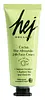
This barrier-repair moisturizer is formulated around Argania Spinosa Kernel Oil and Butyrospermum Parkii Butter to strengthen the skin barrier and hydrate skin.
This barrier-repair moisturizer is formulated around Squalane and Niacinamide to strengthen the skin barrier and hydrate skin.

What's inside
What's inside
 Key Ingredients
Benefits
Concerns
Ingredients Side-by-side
Water
Skin ConditioningGlycine Soja Oil
Emollient








Argania Spinosa Kernel Oil
Emollient

Butyrospermum Parkii Butter
Skin Conditioning
Glyceryl Stearate Citrate
Emollient
Isoamyl Laurate
Emollient
Glycerin
Humectant
Simmondsia Chinensis Seed Oil
Emollient
Opuntia Ficus-Indica Seed Oil
Emollient
Olea Europaea Fruit Oil
Masking
Opuntia Ficus-Indica Flower Extract
Skin ConditioningCitrus Paradisi Fruit Extract
Skin ConditioningHelianthus Annuus Seed Oil
Emollient
Acacia Senegal Gum
MaskingXanthan Gum
EmulsifyingSodium Hyaluronate
Humectant


Tocopherol
Antioxidant


Sodium Stearoyl Glutamate
CleansingSodium Levulinate
Skin ConditioningGlyceryl Caprylate
EmollientPotassium Sorbate
Preservative
Sodium Anisate
AntimicrobialParfum
Masking

Limonene
Perfuming
Linalool
Perfuming
Citral
Perfuming
Citronellol
Perfuming
Water, Glycine Soja Oil, Argania Spinosa Kernel Oil, Butyrospermum Parkii Butter, Glyceryl Stearate Citrate, Isoamyl Laurate, Glycerin, Simmondsia Chinensis Seed Oil, Opuntia Ficus-Indica Seed Oil, Olea Europaea Fruit Oil, Opuntia Ficus-Indica Flower Extract, Citrus Paradisi Fruit Extract, Helianthus Annuus Seed Oil, Acacia Senegal Gum, Xanthan Gum, Sodium Hyaluronate, Tocopherol, Sodium Stearoyl Glutamate, Sodium Levulinate, Glyceryl Caprylate, Potassium Sorbate, Sodium Anisate, Parfum, Limonene, Linalool, Citral, Citronellol
Water
Skin ConditioningPropanediol
Solvent
Decyl Oleate
Emollient
Glycerin
Humectant
Squalane
Emollient
Calcium Aluminum Borosilicate
Niacinamide
Smoothing



Pentylene Glycol
Skin Conditioning
Sea Water
HumectantUndecane
EmollientPolyglyceryl-4 Oleate
Emulsifying
Polyglyceryl-6 Oleate
Emulsifying
Tridecane
Perfuming
Ectoin
Skin Conditioning
Magnesium Stearate
Cosmetic ColorantMagnesium Sulfate
Polyhydroxystearic Acid
Emulsifying
Prunus Domestica Seed Oil
Skin Conditioning
Sodium Chloride
MaskingSodium Hyaluronate
Humectant
Sodium Levulinate
Skin ConditioningOlea Europaea Fruit Oil
Masking
Sodium Anisate
AntimicrobialCI 77891
Cosmetic ColorantTocopherol
Antioxidant
Butyrospermum Parkii Butter
Skin Conditioning
Ceramide NP
Skin Conditioning
Glycine Soja Oil
Emollient
Mica
Cosmetic ColorantLecithin
Emollient
Algae Extract
Emollient
Silica
Abrasive
Hydrogenated Palm Glycerides Citrate
Emollient
Citric Acid
Buffering
Sodium Hydroxide
BufferingHelianthus Annuus Seed Oil
Emollient
Water, Propanediol, Decyl Oleate, Glycerin, Squalane, Calcium Aluminum Borosilicate, Niacinamide, Pentylene Glycol, Sea Water, Undecane, Polyglyceryl-4 Oleate, Polyglyceryl-6 Oleate, Tridecane, Ectoin, Magnesium Stearate, Magnesium Sulfate, Polyhydroxystearic Acid, Prunus Domestica Seed Oil, Sodium Chloride, Sodium Hyaluronate, Sodium Levulinate, Olea Europaea Fruit Oil, Sodium Anisate, CI 77891, Tocopherol, Butyrospermum Parkii Butter, Ceramide NP, Glycine Soja Oil, Mica, Lecithin, Algae Extract, Silica, Hydrogenated Palm Glycerides Citrate, Citric Acid, Sodium Hydroxide, Helianthus Annuus Seed Oil
Ingredients Explained
These ingredients are found in both products.
Ingredients higher up in an ingredient list are typically present in a larger amount.
This ingredient is also known as shea butter. It is a plant-derived extract from the nuts of the Africa shea tree and one of the most well-studied emollients.
Because it has a high concentration of fatty acids (primarily oleic, stearic, and linoleic) it is able to form a protective barrier on the skin's surface. This helps seal in moisture and prevents transepidermal water loss (TEWL).
In vitro research found an increase in skin hydration by 58% and a decrease in TEWL by 37.8% after 24 hours of applying this ingredient (pretty impressive for a single ingredient!).
Besides hydration, shea butter also contains triterpenes that have anti-inflammatory potential. In particule, lupeol cinnamate has shown the highest anti-inflammatory activity in vivo.
Shea butter also contains vitamins A and E which may contribute to antioxidant activity.
While Shea Butter has an SPF rating of about 3-4, it is not a sunscreen replacement.
This ingredient may not be fungal acne safe because its fatty acids fall within the C11-C24 range that the Malassezia yeast can metabolize.
This ingredient shows up on a lot of "pore-clogging" lists but there's no real evidence behind that. It doesn't even have a comedogenic rating from an actual study; the numbers you'll find online come from blogs citing other blogs.
Ratings for other ingredients mostly come from a 1980s rabbit ear test. This test doesn't translate well to human skin or to real products because the ingredient sits at a much lower percentage.
Some people still find it breaks them out. So if that's you, definitely trust your skin. Just know this one's based on experience and not evidence.
Learn more about Butyrospermum Parkii ButterGlycerin (or glycerol) is a compound naturally found in your skin. It's a powerhouse humectant that pulls water into the stratum corneum.
Topically, glycerin does several things at once:
Your skin makes glycerin on its own (mostly from sebaceous oil breakdown) and shuttles it to your outermost layer of skin, or your epidermis, via aquaporin-3.
Aquaporin-3 is a transporter that is essential for normal skin hydration, elasticity, and repair. Interestingly, mice lacking in AQP3 have dry and less elastic skin that can be fully corrected with glycerin.
This ingredient is non-irritating, plays well with almost every ingredient, and works across all skin types. Typical use is anywhere between 3-10% but can go up to 79% in some leave-on products.
Just know very high concentrations (>40%) can feel tacky in low humidity.
Glycerin is the name for this ingredient in American English. British English uses Glycerol/Glycerine.
Learn more about GlycerinGlycine Soja Oil is a plant-derived oil from soybean seeds. Like other oils, it is rich in essential fatty acids (mostly linoleic and oleic) that support skin hydration and barrier function.
The fatty acids are able to integrate into the lipid matrix of the stratum corneum to help soften skin and reduce water loss.
On top of that, soybean oil is rich in vitamins like vitamin E, a potent antioxidant.
Research on soybean's active components also point to anti-inflammatory, collagen-stimulating, antioxidant activity, and protection against UV-induced oxidative damage.
Most of this research applies to the broader soybean plant and not just the oil fraction alone.
This ingredient does carry a comedogenic rating of 3 from the old rabbit-ear assay. Just remember testing finished products in humans showed that formulas built with "comedogenic" ingredients are not necessarily comedogenic themselves. It's worth patch testing if you're breakout prone, and always listen to your skin.
This ingredient may not be fungal acne safe due to the oleic acid content.
Learn more about Glycine Soja OilHelianthus Annuus Seed Oil is a plant oil derived from the seeds of a sunflower.
It is rich in fatty acids, primarily linoleic acid and oleic acid. This gives it emollient and skin conditioning properties.
The reason this ingredient is so effective is because it forms a thin film on the skin that reduces transepidermal water loss (TEWL) while supplying linoleic acid to the stratum corneum to improve barrier strength.
The high linoleic acid content is particularly noteworthy for acne-prone skin.
Research suggests that acne-prone skin tends to be deficient in linoleic acid in sebum. Topical application may help replenish this to support a healthier follicular environment and less comedone-promoting sebum.
One randomized study found sunflower seed oil preserved skin barrier integrity in adult volunteers with and without atopic dermatitis (outperforming olive oil).
This ingredient is well-studied, gentle, and an effective emollient suitable for most skin types.
On fungal acne: This ingredient may not be Fungal acne (Malassezia folliculitis) safe. This is because it contains fatty acids with carbon chain lengths in the C11-C24 range.
Learn more about Helianthus Annuus Seed OilThis ingredient is also known as olive oil. It has been used in skincare for centuries and science largely backs up its reputation as a nourishing emollient.
The main components of olive oil are oleic acid (55-83%), linoleic acid (3.5-20%), and palmitic acid (7-20%). Oleic acid promotes skin regeneration and helps regulate inflammatory responses.
Squalene is also naturally present in olive oil and exhibits moisturizing and antioxidant properties.
The polyphenols in olive oil also show anti-aging promise; one clinical study found a measurable improvement in skin appearance after 30 days of topical serum use.
Just be aware that applying olive oil directly to skin can weaken the barrier and cause redness. One study with volunteers found even people without sensitive skin experienced a significant reduction in stratum corneum integrity and induced mild erythema.
It's best to use this ingredient as part of a carefully crafted formula (instead of putting it on skin directly from the bottle).
Because it has a 0-2 on the comedogenic scale, it is low risk for acne-prone skin. Just remember the overall formulation of a product matters more than a few ingredients with comedogenic ratings.
This ingredient may not be fungal acne safe because of the oleic and palmitic acid content. These fall within the C11-24 fatty acid range that the Malassezia yeast can metabolize to grow.
Overall, olive oil is a well-studied and nourishing skincare ingredient.
Learn more about Olea Europaea Fruit OilSodium Anisate comes from fennel. It is used as a preservative and to add flavoring.
Sodium Anisate has antimicrobial properties.
Sodium Hyaluronate is the salt form of hyaluronic acid. It is a long sugar chain that is naturally found in your skin, joints, and connective tissue that maintains hydration and elasticity.
In skincare, it works as a humectant. It pulls water from the environment and deeper layers of skin and binds it to the surface.
Interestingly, the size of the molecule affects its behavior:
Some clinical evidence links low molecular weight versions to improved wrinkle depth, elasticity, anti-inflammatory effects, and barrier repair.
Many serums use a blend of both weights so you can get surface hydration plus longer-lasting and deeper effects.
You'll typically see concentrations between 0.1-2% for this ingredient.
Learn more about Sodium HyaluronateSodium levulinate is the a sodium salt of Levulinic Acid. Oncedissolved in an aqueous solution, the two ingredients become identical. It is usually derived from renewable plant sources like corn starch or sugarcane.
In skincare, it mostly acts as a skin conditioning agent that keeps skin soft and hydrated. It also acts as a preservative booster by inhibiting the growth of mold, yeast, and bacteria.
It's often paired with Sodium Anisate as the two create a broad-spectrum preservative system that is popular in "natural" formulations.
This ingredient is water-soluble.
The CIR Expert Panel for Cosmetic Ingredient Safety has concluded this ingredient to be non-irritated and there are no restrictions for use in EU cosmetics. The FDA also allows this ingredient to be used as a food-grade flavoring agent.
Learn more about Sodium LevulinateTocopherol is a fat-soluble antioxidant known as Vitamin E.
You'll find this ingredient in the vast majority of skincare (for good reason). It works to neutralize free radicals, or unstable molecules generated by UV exposure, pollution, and other environmental stressors, before they can cause oxidative damage to your skin cells.
Topically applied tocopherol has been shown to protect against UV damage by ramping up the skin's own natural defense enzymes.
It also acts as a skin conditioning agent; some studies show that regular topical use can improve the skin's water-binding capacity over 2-4 weeks.
This ingredient is especially loved for being a team player. When combined with Vitamin C, the photoprotective effect of both ingredients roughly doubles and the combo also helps reduce UV-induced DNA damage.
This ingredient has some brightening potential but it's more of a prevention ingredient than spot-fader. Cell studies show it can slow down melanin production but it's worth noting that it's not the most powerful brightener out there.
In formulations, it also serves as a stabilizer that helps protect other oxidation-prone ingredients from degrading.
Concentrations usually range from 0.1-1% in most leave-on products.
Learn more about TocopherolWater. It's the most common cosmetic ingredient of all. You'll usually see it at the top of ingredient lists, meaning that it makes up the largest part of the product.
So why is it so popular? Water most often acts as a solvent - this means that it helps dissolve other ingredients into the formulation.
You'll also recognize water as that liquid we all need to stay alive. If you see this, drink a glass of water. Remember to stay hydrated!
Learn more about Water

