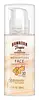
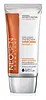
Hawaiian Tropic Silk Hydration Weightless Face Sunscreen - SPF 30 Versus Neogen Dermalogy Day-Light Protection Sun Screen SPF 50 PA+++
This chemical sunscreen covers most of the UV range, lighter on the deep UVA that drives aging.
This hybrid sunscreen covers the full UV range and blocks ~98% of UVB at SPF 50.


What's inside
What's inside
 Key Ingredients
Benefits
Concerns
Ingredients Side-by-side
Butyl Methoxydibenzoylmethane 2%
UV Absorber
Homosalate 5.5%
Skin Conditioning
Ethylhexyl Salicylate 4.5%
UV Absorber
Octocrylene 4%
UV Absorber

Water
Skin ConditioningIsohexadecane
EmollientDiisopropyl Adipate
EmollientC12-15 Alkyl Benzoate
AntimicrobialButylene Glycol
Humectant

Hydroxyethyl Acrylate/Sodium Acryloyldimethyl Taurate Copolymer
Emulsion StabilisingAcrylates/C12-22 Alkyl Methacrylate Copolymer
Phenoxyethanol
Preservative
Caprylyl Glycol
Emollient
Methylparaben
Preservative
Ceteth-10 Phosphate
CleansingDicetyl Phosphate
EmulsifyingParfum
Masking


Propylparaben
Preservative
Polysorbate 60
Emulsifying
Disodium EDTA
Xanthan Gum
EmulsifyingAminomethyl Propanol
BufferingMica
Cosmetic ColorantTocopheryl Acetate
Antioxidant


Aloe Barbadensis Leaf Juice
Skin Conditioning

Silk Amino Acids
HumectantSodium Ascorbyl Phosphate
Antioxidant




Colocasia Antiquorum Root Extract
Skin ConditioningMangifera Indica Fruit Extract
Skin ConditioningPassiflora Incarnata Fruit Extract
Skin ConditioningPlumeria Acutifolia Flower Extract
Skin ConditioningPsidium Guajava Fruit Extract
AstringentIron Oxides
Butyl Methoxydibenzoylmethane 2%, Homosalate 5.5%, Ethylhexyl Salicylate 4.5%, Octocrylene 4%, Water, Isohexadecane, Diisopropyl Adipate, C12-15 Alkyl Benzoate, Butylene Glycol, Hydroxyethyl Acrylate/Sodium Acryloyldimethyl Taurate Copolymer, Acrylates/C12-22 Alkyl Methacrylate Copolymer, Phenoxyethanol, Caprylyl Glycol, Methylparaben, Ceteth-10 Phosphate, Dicetyl Phosphate, Parfum, Propylparaben, Polysorbate 60, Disodium EDTA, Xanthan Gum, Aminomethyl Propanol, Mica, Tocopheryl Acetate, Aloe Barbadensis Leaf Juice, Silk Amino Acids, Sodium Ascorbyl Phosphate, Colocasia Antiquorum Root Extract, Mangifera Indica Fruit Extract, Passiflora Incarnata Fruit Extract, Plumeria Acutifolia Flower Extract, Psidium Guajava Fruit Extract, Iron Oxides
Titanium Dioxide 0.9%
Cosmetic Colorant
Ethylhexyl Methoxycinnamate 7.5%
UV Absorber
Zinc Oxide 2.8%
Cosmetic Colorant
Water
Skin ConditioningGlycerin
Humectant
Butylene Glycol
Humectant
Bis-Ethylhexyloxyphenol Methoxyphenyl Triazine
UV Absorber
C12-15 Alkyl Benzoate
AntimicrobialHexanediol
SolventIsoamyl P-Methoxycinnamate
UV Absorber
Dicaprylyl Carbonate
EmollientCetearyl Alcohol
Emollient


Xanthan Gum
EmulsifyingPolysorbate 20
Emulsifying
Sodium Hyaluronate
Humectant
Glyceryl Stearate
Emollient
PEG-100 Stearate
Surfactant
Acrylates/C10-30 Alkyl Acrylate Crosspolymer
Emulsion StabilisingPortulaca Oleracea Extract
Skin Conditioning
Lavandula Angustifolia Oil
Masking


Phyllanthus Emblica Fruit Extract
HumectantRubus Idaeus Fruit Extract
AstringentVaccinium Angustifolium Fruit Extract
Skin Protecting
Euterpe Oleracea Fruit Extract
Ammonium Acryloyldimethyltaurate/Vp Copolymer
Carbomer
Emulsion StabilisingLippia Citriodora Leaf Extract
Astringent
Rosa Damascena Flower Extract
Masking
Tocopheryl Acetate
Antioxidant
Angelica Archangelica Root Extract
Masking
Beta-Glucan
Skin Conditioning
Hibiscus Sabdariffa Flower Extract
Skin ConditioningArtemisia Absinthium Extract
Skin ConditioningArnica Montana Flower Extract
Masking
Polyhydroxystearic Acid
Emulsifying
Alumina
Abrasive
Gentiana Lutea Root Extract
Skin ConditioningAchillea Millefolium Extract
CleansingLitsea Cubeba Fruit Oil
Masking
Citrus Limon Fruit Oil
Astringent
Eucalyptus Globulus Leaf Oil
Perfuming
Cedrus Atlantica Wood Oil
Perfuming
Disodium EDTA
Potassium Hydroxide
BufferingCitrus Aurantium Dulcis Oil
Masking
Aluminum Stearate
Cosmetic ColorantTitanium Dioxide 0.9%, Ethylhexyl Methoxycinnamate 7.5%, Zinc Oxide 2.8%, Water, Glycerin, Butylene Glycol, Bis-Ethylhexyloxyphenol Methoxyphenyl Triazine, C12-15 Alkyl Benzoate, Hexanediol, Isoamyl P-Methoxycinnamate, Dicaprylyl Carbonate, Cetearyl Alcohol, Xanthan Gum, Polysorbate 20, Sodium Hyaluronate, Glyceryl Stearate, PEG-100 Stearate, Acrylates/C10-30 Alkyl Acrylate Crosspolymer, Portulaca Oleracea Extract, Lavandula Angustifolia Oil, Phyllanthus Emblica Fruit Extract, Rubus Idaeus Fruit Extract, Vaccinium Angustifolium Fruit Extract, Euterpe Oleracea Fruit Extract, Ammonium Acryloyldimethyltaurate/Vp Copolymer, Carbomer, Lippia Citriodora Leaf Extract, Rosa Damascena Flower Extract, Tocopheryl Acetate, Angelica Archangelica Root Extract, Beta-Glucan, Hibiscus Sabdariffa Flower Extract, Artemisia Absinthium Extract, Arnica Montana Flower Extract, Polyhydroxystearic Acid, Alumina, Gentiana Lutea Root Extract, Achillea Millefolium Extract, Litsea Cubeba Fruit Oil, Citrus Limon Fruit Oil, Eucalyptus Globulus Leaf Oil, Cedrus Atlantica Wood Oil, Disodium EDTA, Potassium Hydroxide, Citrus Aurantium Dulcis Oil, Aluminum Stearate
Reviews
Ingredients Explained
These ingredients are found in both products.
Ingredients higher up in an ingredient list are typically present in a larger amount.
Butylene Glycol (or BG) is used within cosmetic products for a few different reasons:
Overall, Butylene Glycol is a safe and well-rounded ingredient that works well with other ingredients.
Though this ingredient works well with most skin types, some people with sensitive skin may experience a reaction such as allergic rashes, closed comedones, or itchiness.
Learn more about Butylene GlycolC12-15 Alkyl Benzoate is a lightweight emollient made by combinig benzoic acid with fatty alcohols that are 12-15 carbons long.
In cosmetics, it plays several roles:
The Cosmetic Review Expert Panel has concluded the alkyl benzoate group to be safe as used in cosmetics; it wasn't found to be a skin irritant and unlikely to be absorbed due to its low water solubility.
This report recorded almost 1000 reported uses with concentrations up to 59% in leave-on products but your cosmetics will typically use 0.5-15% depending on the product.
It's often called a "SPF booster": this is because it keeps UV filters properly dissolved and evenly distributed to support a sunscreen's performance. It doesn't actually raise SPF on its own.
Overall, this ingredient is well tolerated.
This ingredient is fungal acne safe because it is an ester of benzoic acid.
Think of this ingredient as two parts stuck together: an oily part and an acid part. Malassezia only gets a meal when it can snip off a fatty acid to eat. With C12-15 Alkyl Benzoate, the acid part is benzoic acid, which isn't a fatty acid and which the yeast can't use as food.
Benzoic acid is actually used as a preservative to stop yeast from growing.
The oily part is a blend of C12-15 fatty alcohols but fatty alcohols in this size range can support only a little Malassezia growth (mostly for one species of Malassezia as well).
In the ingredient, those alcohols stay locked inside the molecule. The yeast can only reach them by snipping the benzoate bond, and that type of bond is harder for it to cut than a normal fatty bond.
So not much gets released. And whatever does get snipped comes packaged with benzoic acid, which discourages yeast growth.
Learn more about C12-15 Alkyl BenzoateDisodium EDTA is a chelating agent. It grabs onto and deactivates metal ions that sneak into your products from water, packaging, or air.
This ingredient mainly works behind the scenes and helps with:
On top of that, this ingredient can counteract the effects of hard water by binding to the minerals in it.
One thing worth knowing is that Disodium EDTA has been shown to be a mild penetration enhancer. It can help other ingredients absorb into skin more effectively which can be a double-edged sword (great for actives, but can also make the active too strong if you have sensitive skin).
Clinical patch testing showed no significant skin irritation at typical use concentrations and minimal dermal absorption.
You'll most likely see this ingredient near the end of an ingredient list. It's typically found in concentrations less than 1%.
Learn more about Disodium EDTATocopheryl Acetate is a stable, shelf-friendly form of vitamin E.
Formulators love it because plain vitamin E oxidizes quickly once it hits air. This acetate version stays stable and resists going off, helping to extend a product's shelf life.
It's actually inactive on its own and works like a slow-release "storage" form; the enzymes in your skin called esterases gradually convert it into active vitamin E over time.
One in vivo study showed 5% of the acetate in the living layer of the epidermis converted to vitamin E after 5 days of application. This study also found the skin gained protection against UV damage even though the conversion was slow and small.
Once converted, vitamin E acts as a skin's main fat-soluble antioxidant that fights free radicals to protect skin from damage.
Topical vitamin E generally boosts the skin's photoprotection, and it reduced UV-damage in animal models.
This ingredient has some brightening potential but it's more of a prevention ingredient than spot-fader. Cell studies show it can slow down melanin production but it's worth noting that it's not the most powerful brightener out there.
Overall, it has a pretty solid safety profile and has been found to be non-irritating and non-comedogenic. Allergic reactions may happen but stay rare due to how widely the ingredient gets used.
The concentration will vary depending on the formula; industry data shows 0.1% in baby lotions, 3% in lipsticks, and 5% in foot powders. You can also find this ingredient at 100% in a pure vitamin E oil.
Most leave-on skincare keeps it at the lower end, often between 0.5-1%.
Learn more about Tocopheryl AcetateWater. It's the most common cosmetic ingredient of all. You'll usually see it at the top of ingredient lists, meaning that it makes up the largest part of the product.
So why is it so popular? Water most often acts as a solvent - this means that it helps dissolve other ingredients into the formulation.
You'll also recognize water as that liquid we all need to stay alive. If you see this, drink a glass of water. Remember to stay hydrated!
Learn more about WaterXanthan gum is used as a stabilizer and thickener within cosmetic products. It helps give products a sticky, thick feeling - preventing them from being too runny.
On the technical side of things, xanthan gum is a polysaccharide - a combination consisting of multiple sugar molecules bonded together.
Xanthan gum is a pretty common and great ingredient. It is a natural, non-toxic, non-irritating ingredient that is also commonly used in food products.
Learn more about Xanthan Gum

