

What's inside
What's inside
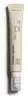 Key Ingredients
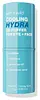
Benefits
Concerns
Ingredients Side-by-side
Water
Skin ConditioningGlycerin
Humectant


Helianthus Annuus Seed Oil
Emollient

Caprylic/Capric Triglyceride
Masking
Niacinamide
Smoothing









1,2-Hexanediol
Skin Conditioning
Cetyl Alcohol
Emollient
Cetearyl Alcohol
Emollient

C14-22 Alcohols
Emulsion Stabilising
Bakuchiol
Antimicrobial

Stearyl Alcohol
Emollient
Carbomer
Emulsion StabilisingCetearyl Glucoside
Emulsifying
Tromethamine
BufferingButylene Glycol
Humectant
Oryza Sativa Extract
Absorbent
Cetyl Palmitate
Emollient
C12-20 Alkyl Glucoside
EmulsifyingSodium Acrylate/Sodium Acryloyldimethyl Taurate Copolymer
Emulsion StabilisingSorbitan Palmitate
Emulsifying
Sorbitan Olivate
Emulsifying
Polyisobutene
Myristyl Alcohol
Emollient
Phyllostachys Pubescens Shoot Bark Extract
Skin ConditioningZanthoxylum Piperitum Fruit Extract
Skin ConditioningUsnea Barbata Extract
Pulsatilla Koreana Extract
Skin ConditioningAspergillus Ferment
Skin ConditioningEthylhexylglycerin
Skin ConditioningPanax Ginseng Root Extract
Emollient
Cyclodextrin
AbsorbentAdenosine
Skin Conditioning
Lauryl Alcohol
Emollient
Sodium Hyaluronate
Humectant
Disodium EDTA
Caprylyl/Capryl Glucoside
CleansingSorbitan Oleate
Emulsifying
Glucose
Humectant
Wheat Amino Acids
Skin ConditioningNatto Gum
Pentylene Glycol
Skin Conditioning
Madecassoside
Antioxidant
Water, Glycerin, Helianthus Annuus Seed Oil, Caprylic/Capric Triglyceride, Niacinamide, 1,2-Hexanediol, Cetyl Alcohol, Cetearyl Alcohol, C14-22 Alcohols, Bakuchiol, Stearyl Alcohol, Carbomer, Cetearyl Glucoside, Tromethamine, Butylene Glycol, Oryza Sativa Extract, Cetyl Palmitate, C12-20 Alkyl Glucoside, Sodium Acrylate/Sodium Acryloyldimethyl Taurate Copolymer, Sorbitan Palmitate, Sorbitan Olivate, Polyisobutene, Myristyl Alcohol, Phyllostachys Pubescens Shoot Bark Extract, Zanthoxylum Piperitum Fruit Extract, Usnea Barbata Extract, Pulsatilla Koreana Extract, Aspergillus Ferment, Ethylhexylglycerin, Panax Ginseng Root Extract, Cyclodextrin, Adenosine, Lauryl Alcohol, Sodium Hyaluronate, Disodium EDTA, Caprylyl/Capryl Glucoside, Sorbitan Oleate, Glucose, Wheat Amino Acids, Natto Gum, Pentylene Glycol, Madecassoside
Water
Skin ConditioningDipropylene Glycol
HumectantSodium Stearate
CleansingSilica
Abrasive
PEG-40 Hydrogenated Castor Oil
Emulsifying
Phenoxyethanol
Preservative
Ethylene Brassylate
MaskingEthylhexylglycerin
Skin ConditioningAllantoin
Skin Conditioning
Benzotriazolyl Dodecyl P-Cresol
UV AbsorberCaffeine
Skin Conditioning
Disodium EDTA
Menthone Glycerin Acetal
Refreshing
Tocopheryl Acetate
Antioxidant
Triethoxycaprylylsilane

Butylene Glycol
Humectant
Camellia Sinensis Leaf Extract
Antimicrobial
Hydrolyzed Hyaluronic Acid
Humectant
Caprylyl Glycol
Emollient
Hexylene Glycol
EmulsifyingCI 42090
Cosmetic ColorantWater, Dipropylene Glycol, Sodium Stearate, Silica, PEG-40 Hydrogenated Castor Oil, Phenoxyethanol, Ethylene Brassylate, Ethylhexylglycerin, Allantoin, Benzotriazolyl Dodecyl P-Cresol, Caffeine, Disodium EDTA, Menthone Glycerin Acetal, Tocopheryl Acetate, Triethoxycaprylylsilane, Butylene Glycol, Camellia Sinensis Leaf Extract, Hydrolyzed Hyaluronic Acid, Caprylyl Glycol, Hexylene Glycol, CI 42090
Reviews
Ingredients Explained
These ingredients are found in both products.
Ingredients higher up in an ingredient list are typically present in a larger amount.
Butylene Glycol (or BG) is used within cosmetic products for a few different reasons:
Overall, Butylene Glycol is a safe and well-rounded ingredient that works well with other ingredients.
Though this ingredient works well with most skin types, some people with sensitive skin may experience a reaction such as allergic rashes, closed comedones, or itchiness.
Learn more about Butylene GlycolDisodium EDTA is a chelating agent. It grabs onto and deactivates metal ions that sneak into your products from water, packaging, or air.
This ingredient mainly works behind the scenes and helps with:
On top of that, this ingredient can counteract the effects of hard water by binding to the minerals in it.
One thing worth knowing is that Disodium EDTA has been shown to be a mild penetration enhancer. It can help other ingredients absorb into skin more effectively which can be a double-edged sword (great for actives, but can also make the active too strong if you have sensitive skin).
Clinical patch testing showed no significant skin irritation at typical use concentrations and minimal dermal absorption.
You'll most likely see this ingredient near the end of an ingredient list. It's typically found in concentrations less than 1%.
Learn more about Disodium EDTAEthylhexylglycerin is created from glycerin. It is a multitasker ingredient that:
The CIR Expert Panel found minimal skin absorption or sensitization of any kind in a safety assessment. Though this ingredient is considered well-tolerated, a small number of cases of allergic dermatitis have been published since 2002. Just be sure to patch test if you are unsure.
Industry-reported use ranges from 8% in rinse-off products and 2% in leave-on formulations.
Learn more about EthylhexylglycerinWater. It's the most common cosmetic ingredient of all. You'll usually see it at the top of ingredient lists, meaning that it makes up the largest part of the product.
So why is it so popular? Water most often acts as a solvent - this means that it helps dissolve other ingredients into the formulation.
You'll also recognize water as that liquid we all need to stay alive. If you see this, drink a glass of water. Remember to stay hydrated!
Learn more about Water

