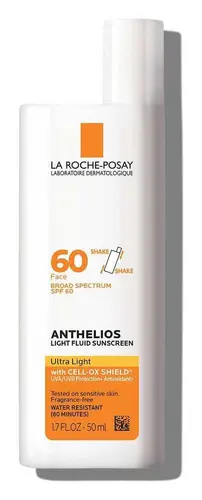
What's inside
What's inside
 Key Ingredients
Benefits
Concerns
Ingredients Side-by-side
Water
Skin ConditioningButyl Methoxydibenzoylmethane
UV Absorber
Ethylhexyl Methoxycinnamate
UV Absorber

Butylene Glycol
Humectant

Octocrylene
UV Absorber
Polyacrylate Crosspolymer-11
Emulsion StabilisingSilica
Abrasive


Glycerin
Humectant
Panthenol
Skin Conditioning

Phenoxyethanol
Preservative
Apium Graveolens Extract
Skin ConditioningBiosaccharide Gum-1
Humectant
Honey Extract
Humectant
Centella Asiatica Extract
Cleansing

Bisabolol
Antioxidant
Lecithin
Emollient
Tocopheryl Acetate
Antioxidant

Triethylene Glycol
Masking
1,2-Hexanediol
Skin Conditioning
Avena Sativa Kernel Extract
Abrasive
Lactobacillus Ferment
Skin Conditioning
Sodium Benzoate
Masking
Potassium Sorbate
Preservative
Water, Butyl Methoxydibenzoylmethane, Ethylhexyl Methoxycinnamate, Butylene Glycol, Octocrylene, Polyacrylate Crosspolymer-11, Silica, Glycerin, Panthenol, Phenoxyethanol, Apium Graveolens Extract, Biosaccharide Gum-1, Honey Extract, Centella Asiatica Extract, Bisabolol, Lecithin, Tocopheryl Acetate, Triethylene Glycol, 1,2-Hexanediol, Avena Sativa Kernel Extract, Lactobacillus Ferment, Sodium Benzoate, Potassium Sorbate
Water
Skin ConditioningEthylhexyl Methoxycinnamate
UV Absorber
C12-15 Alkyl Benzoate
AntimicrobialCaprylic/Capric Triglyceride
Masking
Butyl Methoxydibenzoylmethane
UV Absorber
Sodium Acrylates Copolymer
Butylene Glycol
Humectant
Bis-Ethylhexyloxyphenol Methoxyphenyl Triazine
Skin Conditioning
Propanediol
Solvent
Terminalia Ferdinandiana Fruit Extract
Antioxidant
Aloe Barbadensis Leaf Extract
Emollient
Glucose
Humectant
Niacinamide
Smoothing


Laminaria Digitata Extract
Skin Protecting
Propylene Glycol
Humectant
Kojic Acid
Antioxidant
Sodium Hyaluronate
Humectant
Tocopheryl Acetate
Antioxidant
Ceramide EOP
Skin Conditioning
Ceramide Ns
Skin Conditioning
Ceramide Ng
Skin Conditioning
Ceramide NP
Skin Conditioning
Ceramide As
Skin Conditioning
Ceramide AP
Skin Conditioning
Cholesterol
Emollient
1,2-Hexanediol
Skin Conditioning
Diethylhexyl Butamido Triazone
UV Absorber
Lecithin
Emollient
Ethoxydiglycol
HumectantEthylhexylglycerin
Skin ConditioningTapioca Starch
Xylitol
Humectant
Phospholipids
Skin Conditioning
Polymethylsilsesquioxane

Phoenix Dactylifera Seed Extract
MoisturisingAnhydroxylitol
Humectant
Potassium Sorbate
Preservative
Hydrogenated Lecithin
Emulsifying
Cetyl-Pg Hydroxyethyl Palmitamide
Skin ConditioningSodium Gluconate
Skin ConditioningPhenoxyethanol
Preservative
Sodium Benzoate
Masking
Water, Ethylhexyl Methoxycinnamate, C12-15 Alkyl Benzoate, Caprylic/Capric Triglyceride, Butyl Methoxydibenzoylmethane, Sodium Acrylates Copolymer, Butylene Glycol, Bis-Ethylhexyloxyphenol Methoxyphenyl Triazine, Propanediol, Terminalia Ferdinandiana Fruit Extract, Aloe Barbadensis Leaf Extract, Glucose, Niacinamide, Laminaria Digitata Extract, Propylene Glycol, Kojic Acid, Sodium Hyaluronate, Tocopheryl Acetate, Ceramide EOP, Ceramide Ns, Ceramide Ng, Ceramide NP, Ceramide As, Ceramide AP, Cholesterol, 1,2-Hexanediol, Diethylhexyl Butamido Triazone, Lecithin, Ethoxydiglycol, Ethylhexylglycerin, Tapioca Starch, Xylitol, Phospholipids, Polymethylsilsesquioxane, Phoenix Dactylifera Seed Extract, Anhydroxylitol, Potassium Sorbate, Hydrogenated Lecithin, Cetyl-Pg Hydroxyethyl Palmitamide, Sodium Gluconate, Phenoxyethanol, Sodium Benzoate
Reviews
Ingredients Explained
These ingredients are found in both products.
Ingredients higher up in an ingredient list are typically present in a larger amount.
1,2-Hexanediol is a synthetic liquid and another multi-functional powerhouse.
It is a:
- Humectant, drawing moisture into the skin
- Emollient, helping to soften skin
- Solvent, dispersing and stabilizing formulas
- Preservative booster, enhancing the antimicrobial activity of other preservatives
Also known as Avobenzone, this ingredient is an oil-soluble used to absorb the full spectrum of UVA rays (peak 357 nm).
It's one of the most effective UVA filters available but has a major caveat of photostability: avobenzone is susceptible to photodegradation.
This means it can lose efficacy when exposed to sunlight without the help of a stabilizing agent.
Studies show antioxidants (like vitamin E or vitamin C) and some UV filters (like octocrylene and Tinosorb S) can meaningfully improve its stability in a formulation.
The maximum allowable concentration according to regulation is 3% in the US + Canada, and 5% in the EU, Australia, China, Korea, and ASEAN countries.
It has a well-support safety profile: a comprehensive 2025 review found minimal toxicity with no evidence of carcinogenicity.
Overall, avobenzone is a safe and regulated ingredient used in sunscreen for over 40 years.
Learn more about Butyl MethoxydibenzoylmethaneButylene Glycol (or BG) is used within cosmetic products for a few different reasons:
Overall, Butylene Glycol is a safe and well-rounded ingredient that works well with other ingredients.
Though this ingredient works well with most skin types, some people with sensitive skin may experience a reaction such as allergic rashes, closed comedones, or itchiness.
Learn more about Butylene GlycolThis ingredient is also known as Octinoxate and is one of the oldest and most widely used chemical UV filters in skincare.
It has a simple job: soap up UVB radiation (290-320 nm), the wavelengths responsible for sunburn and a big chunk of long-term sun damage.
In formulas, it's always paired with a separate UVA filter because octinoxate solely protects skin from UVB.
Because it's an oil-soluble liquid, it's easy to blend into the oil phase of lotions/creams and gives a cosmetically elegant feel.
The one quirk about formulating this ingredient is photostability; the molecule slowly changes shape into a less effective version when sunlight hits it. So the longer you're in the sun, the weaker its protection gets. The drop can be more than 30% in some formulas.
It also doesn't play nice with Avobenzone (the common UVA filter) since avobenzone destabilizes octinoxate and the two degrade each other. But don't worry: brands have solved this issue by adding photostabilizers like Tinosorb S to prevent degradation and keep SPF stable under heavy UV exposure.
The maximum allowed level is 10% in the EU and Australia, 7.5% in the US and Canada, and 20% in Japan.
The Cosmetic Ingredient Review Panel has concluded this ingredient to be safe in cosmetics up to 10%.
One last thing worth knowing for context:
Octinoxate has been the subject of ongoing review in Europe where the Scientific Committee on Consumer Safety's (SCCS) 2025 final opinion is that this ingredient is an endocrine-active substance.
Lab and animal studies suggest it can act a bit like a hormone in the body (mildly mimicking estrogen and slightly blocking male hormones). It's important to know this hasn't really been shown to happen in everyday human use.
This ingredient is also banned in Hawaii over coral reef concerns.
Learn more about Ethylhexyl MethoxycinnamateLecithin is a term for a group of substances found in the cell membranes of plants, animals, and humans. They are made up of phospholipids.
Thanks to its amphiphilic structure (water-loving head and oil-loving tail), it is a true multitasker:
It plays well with most ingredients and is typically used at 0.1-1%. However, concentrations up to 50% have been reported in moisturizers.
Learn more about LecithinPhenoxyethanol is a preservative that has germicide, antimicrobial, and aromatic properties. Studies show that phenoxyethanol can prevent microbial growth. By itself, it has a scent that is similar to that of a rose.
It's often used in formulations along with Caprylyl Glycol to preserve the shelf life of products.
Potassium Sorbate is a preservative used to prevent yeast and mold in products. It is commonly found in both cosmetic and food products.
This ingredient comes from potassium salt derived from sorbic acid. Sorbic acid is a natural antibiotic and effective against fungus.
Both potassium sorbate and sorbic acid can be found in baked goods, cheeses, dried meats, dried fruit, ice cream, pickles, wine, yogurt, and more.
You'll often find this ingredient used with other preservatives.
Learn more about Potassium SorbateSodium Benzoate is a preservative. It's used in both cosmetic and food products to inhibit the growth of mold and bacteria. It is typically produced synthetically.
Both the US FDA and EU Health Committee have approved the use of sodium benzoate. In the US, levels of 0.1% (of the total product) are allowed.
Sodium benzoate works as a preservative by inhibiting the growth of bacteria inside of cells. It prevents the cell from fermenting a type of sugar using an enzyme called phosphofructokinase.
It is the salt of benzoic acid. Foods containing sodium benzoate include soda, salad dressings, condiments, fruit juices, wines, and snack foods.
Studies for using ascorbic acid and sodium benzoate in cosmetics are lacking, especially in skincare routines with multiple steps.
We always recommend speaking with a professional, such as a dermatologist, if you have any concerns.
Learn more about Sodium BenzoateTocopheryl Acetate is AKA Vitamin E. It is an antioxidant and protects your skin from free radicals. Free radicals damage the skin by breaking down collagen.
One study found using Tocopheryl Acetate with Vitamin C decreased the number of sunburned cells.
Tocopheryl Acetate is commonly found in both skincare and dietary supplements.
Learn more about Tocopheryl AcetateWater. It's the most common cosmetic ingredient of all. You'll usually see it at the top of ingredient lists, meaning that it makes up the largest part of the product.
So why is it so popular? Water most often acts as a solvent - this means that it helps dissolve other ingredients into the formulation.
You'll also recognize water as that liquid we all need to stay alive. If you see this, drink a glass of water. Remember to stay hydrated!
Learn more about Water