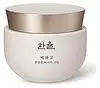
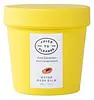
This mild cream makeup remover is made to dissolve makeup, sunscreen, and daily buildup.
This cream makeup remover is made to dissolve makeup, sunscreen, and daily buildup.

What's inside
What's inside
 Key Ingredients
Benefits
Concerns
Ingredients Side-by-side
Water
Skin ConditioningCetyl Ethylhexanoate
EmollientIsopropyl Palmitate
Emollient




Butylene Glycol
Humectant

Dipropylene Glycol
HumectantCetearyl Alcohol
Emollient

Polysorbate 60
Emulsifying
Glyceryl Stearate
Emollient
1,2-Hexanediol
Skin Conditioning
Sorbitan Stearate
Emulsifying
Parfum
Masking


Stearic Acid
Cleansing
Palmitic Acid
Emollient
Glycerin
Humectant
Carbomer
Emulsion StabilisingPEG-100 Stearate
Surfactant
Tromethamine
BufferingGlyceryl Caprylate
EmollientLinalool
Perfuming
Disodium EDTA
ChelatingNiacinamide
Smoothing









Tranexamic Acid
Astringent
Myristic Acid
Cleansing
Arachidic Acid
Cleansing
Tremella Fuciformis Extract
Humectant
Ethylhexylglycerin
Skin ConditioningWater, Cetyl Ethylhexanoate, Isopropyl Palmitate, Butylene Glycol, Dipropylene Glycol, Cetearyl Alcohol, Polysorbate 60, Glyceryl Stearate, 1,2-Hexanediol, Sorbitan Stearate, Parfum, Stearic Acid, Palmitic Acid, Glycerin, Carbomer, PEG-100 Stearate, Tromethamine, Glyceryl Caprylate, Linalool, Disodium EDTA, Niacinamide, Tranexamic Acid, Myristic Acid, Arachidic Acid, Tremella Fuciformis Extract, Ethylhexylglycerin
Water
Skin ConditioningGlycerin
Humectant
Sodium Cocoyl Isethionate
Cleansing
Stearic Acid
Cleansing
Sodium Stearate
CleansingDipropylene Glycol
HumectantGlyceryl Stearate
Emollient
Caprylic/Capric Triglyceride
Masking
Hydrogenated Coconut Acid
Emollient
Sodium Isethionate
CleansingCopernicia Cerifera Wax
Polyglyceryl-10 Laurate
Skin Conditioning
1,2-Hexanediol
Skin Conditioning
Citric Acid
Buffering
Caprylyl Glycol
Emollient
Chlorphenesin
Antimicrobial
Ethylhexylglycerin
Skin ConditioningButylene Glycol
Humectant
Citrus Aurantium Dulcis Peel Oil
Masking
Lavandula Angustifolia Oil
Masking
Coco-Glucoside
Cleansing
Disodium EDTA
ChelatingCitrus Limon Fruit Extract
Masking
Rosmarinus Officinalis Leaf Oil
Masking
Cinnamomum Camphora Bark Oil
Masking
Pelargonium Graveolens Flower Oil
Masking
Melaleuca Alternifolia Leaf Oil
Antioxidant
Melia Azadirachta Flower Extract
Skin ConditioningOcimum Sanctum Leaf Extract
Skin ConditioningAllantoin
Skin Conditioning
Polyglyceryl-10 Myristate
Skin Conditioning
Melia Azadirachta Leaf Extract
Skin ConditioningCurcuma Longa Root Extract
Antioxidant
Corallina Officinalis Extract
Skin Conditioning
Jasminum Officinale Flower Extract
Masking
Mangifera Indica Juice
Skin ConditioningCarica Papaya Fruit Juice
HumectantCitrus Aurantifolia Juice
CleansingAnanas Sativus Fruit Juice
Skin ConditioningSodium Citrate
BufferingLimonene
Perfuming
Linalool
Perfuming
Water, Glycerin, Sodium Cocoyl Isethionate, Stearic Acid, Sodium Stearate, Dipropylene Glycol, Glyceryl Stearate, Caprylic/Capric Triglyceride, Hydrogenated Coconut Acid, Sodium Isethionate, Copernicia Cerifera Wax, Polyglyceryl-10 Laurate, 1,2-Hexanediol, Citric Acid, Caprylyl Glycol, Chlorphenesin, Ethylhexylglycerin, Butylene Glycol, Citrus Aurantium Dulcis Peel Oil, Lavandula Angustifolia Oil, Coco-Glucoside, Disodium EDTA, Citrus Limon Fruit Extract, Rosmarinus Officinalis Leaf Oil, Cinnamomum Camphora Bark Oil, Pelargonium Graveolens Flower Oil, Melaleuca Alternifolia Leaf Oil, Melia Azadirachta Flower Extract, Ocimum Sanctum Leaf Extract, Allantoin, Polyglyceryl-10 Myristate, Melia Azadirachta Leaf Extract, Curcuma Longa Root Extract, Corallina Officinalis Extract, Jasminum Officinale Flower Extract, Mangifera Indica Juice, Carica Papaya Fruit Juice, Citrus Aurantifolia Juice, Ananas Sativus Fruit Juice, Sodium Citrate, Limonene, Linalool
Ingredients Explained
These ingredients are found in both products.
Ingredients higher up in an ingredient list are typically present in a larger amount.
1,2-Hexanediol is a synthetic liquid and another multi-functional powerhouse.
It is a:
- Humectant, drawing moisture into the skin
- Emollient, helping to soften skin
- Solvent, dispersing and stabilizing formulas
- Preservative booster, enhancing the antimicrobial activity of other preservatives
Butylene Glycol (or BG) is used within cosmetic products for a few different reasons:
Overall, Butylene Glycol is a safe and well-rounded ingredient that works well with other ingredients.
Though this ingredient works well with most skin types, some people with sensitive skin may experience a reaction such as allergic rashes, closed comedones, or itchiness.
Learn more about Butylene GlycolDipropylene Glycol is a synthetically created humectant, stabilizer, and solvent.
This ingredient helps:
Dipropylene glycol is technically an alcohol, but it belongs to the glycol family (often considered part of the ‘good’ alcohols). This means it is hydrating and gentle on skin unlike drying solvent alcohols like denatured alcohol.
As a masking agent, Dipropylene Glycol can be used to cover the smell of other ingredients. However, it does not have a scent.
Studies show Dipropylene Glycol is considered safe to use in skincare.
Learn more about Dipropylene GlycolDisodium EDTA is a chelating agent. It grabs onto and deactivates metal ions that sneak into your products from water, packaging, or air.
This ingredient mainly works behind the scenes and helps with:
On top of that, this ingredient can counteract the effects of hard water by binding to the minerals in it.
One thing worth knowing is that Disodium EDTA has been shown to be a mild penetration enhancer. It can help other ingredients absorb into skin more effectively which can be a double-edged sword (great for actives, but can also make the active too strong if you have sensitive skin).
Clinical patch testing showed no significant skin irritation at typical use concentrations and minimal dermal absorption.
You'll most likely see this ingredient near the end of an ingredient list. It's typically found in concentrations less than 1%.
Learn more about Disodium EDTAEthylhexylglycerin is created from glycerin. It is a multitasker ingredient that:
The CIR Expert Panel found minimal skin absorption or sensitization of any kind in a safety assessment. Though this ingredient is considered well-tolerated, a small number of cases of allergic dermatitis have been published since 2002. Just be sure to patch test if you are unsure.
Industry-reported use ranges from 8% in rinse-off products and 2% in leave-on formulations.
Learn more about EthylhexylglycerinGlycerin (or glycerol) is a compound naturally found in your skin. It's a powerhouse humectant that pulls water into the stratum corneum.
Topically, glycerin does several things at once:
Your skin makes glycerin on its own (mostly from sebaceous oil breakdown) and shuttles it to your outermost layer of skin, or your epidermis, via aquaporin-3.
Aquaporin-3 is a transporter that is essential for normal skin hydration, elasticity, and repair. Interestingly, mice lacking in AQP3 have dry and less elastic skin that can be fully corrected with glycerin.
This ingredient is non-irritating, plays well with almost every ingredient, and works across all skin types. Typical use is anywhere between 3-10% but can go up to 79% in some leave-on products.
Just know very high concentrations (>40%) can feel tacky in low humidity.
Glycerin is the name for this ingredient in American English. British English uses Glycerol/Glycerine.
Learn more about GlycerinGlyceryl Stearate is made by reacting glycerin with stearic acid (typically sourced from plant oils like palm or coconut). It's an emulsifier, emollient, and mild occlusive.
Emulsifiers help ingredients like oil and water stay mixed so your formula stays nicely blended and uniform in texture.
This ingredient is typically used in concentrations between 1-10%. Studies have found it to be non-sensitizing, non-phototoxic, and non-photoallergenic.
A close cousin of this ingredient is Glyceryl Stearate SE ("self-emulsifying"). This just has a small amount of sodium or potassium stearate added so it can emulsify without a co-emulsifier.
Since this ingredient is an ester of a C18 fatty acid, it may not be fungal acne safe. The Malassezia yeast can potentially metabolize within the C11-C24 range.
Fun fact: The human body also creates Glyceryl Stearate naturally.
Learn more about Glyceryl StearateLinalool is a small, naturally occurring scent molecule found in plants like lavender, coriander, bergamot, and more.
It is one of the two most-used fragrance ingredients in cosmetics and added purely for smell. Since it's not used for a skin benefit, there's no "effective dose". Concentration depends on the fragrance load of the product.
The EU requires it to be named on the label above 0.001% in leave-on and 0.01% in rinse-off products.
Fresh linalool is a weak sensitizer but air exposure turns some of it into hydroperoxides, which are strong sensitizers. Those oxidation products are the actual allergy concern.
Patch-test clinics see positive reactions to linalool hydroperoxides in about 4% to 12% of dermatitis patients depending on country and test concentration.
Resassuringly, one analytical study found hydroperoxide levels in real fragranced products to be orders of magnitude below what induced sensitization in animal studies with no evidence of oxidation building up during normal storage.
The practical takeaway is that linalool is fine for most people but worth avoiding if you have a confirmed fragrance contact allergy or a badly compromised barrier.
Products stored a long time after opening are also the high-risk scenario since that is when oxidation happens.
The scent of linalool is described as floral, spicy tropical, and citrus-like.
Learn more about LinaloolStearic Acid is a fatty acid that is already found in your skin. It's one of the free fatty acids that works alongside ceramides and cholesterols to maintain your barrier.
In cosmetics, it is a multitasker:
Safety-wise, the CIR Expert Panel has concluded it to be safe in cosmetics when formulated to be non-irritating and non-sensitizing.
Free stearic acid is a C18 fatty acid that the Malassezia yeast can substrate, so this ingredient may not be fungal acne safe.
This ingredient does have a comedogenic rating of 2-3, but this doesn't mean a formula with this ingredient will clog pores.
Human testing has proved that any finished product with this ingredient won't automatically make you break out; it really comes down to concentration, formula, and your skin.
Learn more about Stearic AcidWater. It's the most common cosmetic ingredient of all. You'll usually see it at the top of ingredient lists, meaning that it makes up the largest part of the product.
So why is it so popular? Water most often acts as a solvent - this means that it helps dissolve other ingredients into the formulation.
You'll also recognize water as that liquid we all need to stay alive. If you see this, drink a glass of water. Remember to stay hydrated!
Learn more about Water

