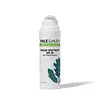
This mineral sunscreen covers the full UV range and blocks ~97% of UVB at SPF 30.
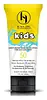
This chemical sunscreen covers most of the UV range, lighter on the deep UVA that drives aging.

What's inside
What's inside
 Key Ingredients
Benefits
Concerns
Ingredients Side-by-side
Zinc Oxide 13.5%
Cosmetic Colorant


Water
Skin ConditioningCaprylic/Capric Triglyceride
Masking


Candelilla/Jojoba/Rice Bran Polyglyceryl-3 Esters
Emulsifying

Glycerin
Humectant
Isodecyl Neopentanoate
EmollientEthyl Macadamiate
Skin Conditioning
Aleurites Moluccanus Seed Oil
Skin Conditioning
Hydroxypropyl Starch Phosphate
Glyceryl Stearate
Emollient
Hamamelis Virginiana Water
Astringent


Ergothioneine
Antioxidant



Hordeum Distichon Extract
Skin ProtectingMacadamia Ternifolia Seed Oil
Emollient
Porphyra Umbilicalis Extract
Skin ConditioningSantalum Album Extract
CleansingPhellodendron Amurense Bark Extract
Skin ConditioningGlyceryl Isostearate
Emollient
Sodium Stearoyl Lactylate
EmulsifyingPolyglyceryl-10 Pentastearate
Skin Conditioning
Polyhydroxystearic Acid
Emulsifying
Tocopherol
Antioxidant


Tocopheryl Acetate
Antioxidant
Lecithin
Emollient
Malic Acid
Buffering

Lonicera Caprifolium Flower Extract
Perfuming
Lonicera Japonica Flower Extract
Skin ConditioningPotassium Cetyl Phosphate
EmulsifyingHydrogenated Palm Glycerides
Emollient
Alcohol
Antimicrobial
Cetearyl Alcohol
Emollient


Behenyl Alcohol
Emollient
Hydroxypropyl Methylcellulose
Emulsion StabilisingSodium Lactate
Buffering
Phytic Acid
Chelating
Citric Acid
Buffering
Sodium Hydroxide
BufferingZinc Oxide 13.5%, Water, Caprylic/Capric Triglyceride, Candelilla/Jojoba/Rice Bran Polyglyceryl-3 Esters, Glycerin, Isodecyl Neopentanoate, Ethyl Macadamiate, Aleurites Moluccanus Seed Oil, Hydroxypropyl Starch Phosphate, Glyceryl Stearate, Hamamelis Virginiana Water, Ergothioneine, Hordeum Distichon Extract, Macadamia Ternifolia Seed Oil, Porphyra Umbilicalis Extract, Santalum Album Extract, Phellodendron Amurense Bark Extract, Glyceryl Isostearate, Sodium Stearoyl Lactylate, Polyglyceryl-10 Pentastearate, Polyhydroxystearic Acid, Tocopherol, Tocopheryl Acetate, Lecithin, Malic Acid, Lonicera Caprifolium Flower Extract, Lonicera Japonica Flower Extract, Potassium Cetyl Phosphate, Hydrogenated Palm Glycerides, Alcohol, Cetearyl Alcohol, Behenyl Alcohol, Hydroxypropyl Methylcellulose, Sodium Lactate, Phytic Acid, Citric Acid, Sodium Hydroxide
Butyl Methoxydibenzoylmethane 3%
UV Absorber
Homosalate 15%
Skin Conditioning
Ethylhexyl Salicylate 5%
UV Absorber
Acrylates/C10-30 Alkyl Acrylate Crosspolymer
Emulsion StabilisingAcrylates/C12-22 Alkyl Methacrylate Copolymer
Aloe Barbadensis Leaf Juice
Skin Conditioning
Butyrospermum Parkii Butter
Skin Conditioning
Carbomer
Emulsion StabilisingChamomilla Recutita Flower Extract
Masking
Daucus Carota Sativa Seed Oil
Emollient
Disodium EDTA
ChelatingEthylhexylglycerin
Skin ConditioningHelianthus Annuus Seed Oil
Emollient
Hydroxypropyl Methylcellulose
Emulsion StabilisingLecithin
Emollient
Persea Gratissima Cera
EmollientPhenoxyethanol
Preservative
Propylene Glycol
Humectant
Simmondsia Chinensis Seed Oil
Emollient
Sodium Hydroxide
BufferingSorbitan Oleate
Emulsifying
Tocopheryl Acetate
Antioxidant
Water
Skin ConditioningButyl Methoxydibenzoylmethane 3%, Homosalate 15%, Ethylhexyl Salicylate 5%, Acrylates/C10-30 Alkyl Acrylate Crosspolymer, Acrylates/C12-22 Alkyl Methacrylate Copolymer, Aloe Barbadensis Leaf Juice, Butyrospermum Parkii Butter, Carbomer, Chamomilla Recutita Flower Extract, Daucus Carota Sativa Seed Oil, Disodium EDTA, Ethylhexylglycerin, Helianthus Annuus Seed Oil, Hydroxypropyl Methylcellulose, Lecithin, Persea Gratissima Cera, Phenoxyethanol, Propylene Glycol, Simmondsia Chinensis Seed Oil, Sodium Hydroxide, Sorbitan Oleate, Tocopheryl Acetate, Water
Reviews
Ingredients Explained
These ingredients are found in both products.
Ingredients higher up in an ingredient list are typically present in a larger amount.
This ingredient is a semi-synthetic polymer created from cellulose. In case you need a refresher, cellulose is the main component of plant cell walls.
Hydroxypropyl Methylcellulose has many uses:
- emulsifier
- create a gel-like texture
- boost foam
Lecithin is a term for a group of substances found in the cell membranes of plants, animals, and humans. They are made up of phospholipids.
Thanks to its amphiphilic structure (water-loving head and oil-loving tail), it is a true multitasker:
It plays well with most ingredients and is typically used at 0.1-1%. However, concentrations up to 50% have been reported in moisturizers.
Learn more about LecithinSodium Hydroxide is also known as lye or caustic soda. It is used to adjust the pH of products; many ingredients require a specific pH to be effective.
In small amounts, sodium hydroxide is considered safe to use. However, large amounts may cause chemical burns due to its high alkaline.
Your skin has a natural pH and acid mantle. This acid mantle helps prevent harmful bacteria from breaking through. The acid mantle also helps keep your skin hydrated.
"Alkaline" refers to a high pH level. A low pH level would be considered acidic.
Learn more about Sodium HydroxideTocopheryl Acetate is a stable, shelf-friendly form of vitamin E.
Formulators love it because plain vitamin E oxidizes quickly once it hits air. This acetate version stays stable and resists going off, helping to extend a product's shelf life.
It's actually inactive on its own and works like a slow-release "storage" form; the enzymes in your skin called esterases gradually convert it into active vitamin E over time.
One in vivo study showed 5% of the acetate in the living layer of the epidermis converted to vitamin E after 5 days of application. This study also found the skin gained protection against UV damage even though the conversion was slow and small.
Once converted, vitamin E acts as a skin's main fat-soluble antioxidant that fights free radicals to protect skin from damage.
Topical vitamin E generally boosts the skin's photoprotection, and it reduced UV-damage in animal models.
This ingredient has some brightening potential but it's more of a prevention ingredient than spot-fader. Cell studies show it can slow down melanin production but it's worth noting that it's not the most powerful brightener out there.
Overall, it has a pretty solid safety profile and has been found to be non-irritating and non-comedogenic. Allergic reactions may happen but stay rare due to how widely the ingredient gets used.
The concentration will vary depending on the formula; industry data shows 0.1% in baby lotions, 3% in lipsticks, and 5% in foot powders. You can also find this ingredient at 100% in a pure vitamin E oil.
Most leave-on skincare keeps it at the lower end, often between 0.5-1%.
Learn more about Tocopheryl AcetateWater. It's the most common cosmetic ingredient of all. You'll usually see it at the top of ingredient lists, meaning that it makes up the largest part of the product.
So why is it so popular? Water most often acts as a solvent - this means that it helps dissolve other ingredients into the formulation.
You'll also recognize water as that liquid we all need to stay alive. If you see this, drink a glass of water. Remember to stay hydrated!
Learn more about Water

