This anti-aging serum is formulated around Bifida Ferment Lysate and Niacinamide to soften the look of wrinkles and strengthen the skin barrier.
This anti-aging serum is formulated around Palmitoyl Tripeptide-5 and Tridecapeptide-1 to soften the look of wrinkles and refine skin texture.

What's inside
What's inside
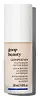 Key Ingredients
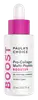
Benefits
Concerns
Ingredients Side-by-side
Water
Skin ConditioningBifida Ferment Lysate
Skin Conditioning



Carthamus Tinctorius Oleosomes
Emollient

Glycerin
Humectant
Niacinamide
Smoothing







Saccharomyces/Xylinum/Black Tea Ferment
Skin Conditioning
Capryloyl Glycerin/Sebacic Acid Copolymer
Skin ConditioningPropanediol
Solvent
Daemonorops Draco Extract
AstringentAloe Barbadensis Leaf Juice
Skin Conditioning
Squalane
Emollient
Haematococcus Pluvialis Extract
Antioxidant
Acmella Oleracea Extract
Skin ProtectingXanthan Gum
EmulsifyingTriethyl Citrate
Masking

Sodium Benzoate
Masking
Sodium Levulinate
Skin ConditioningPotassium Sorbate
Preservative
Salicylic Acid
Masking



Tocopherol
Antioxidant
Carnosine
Skin Conditioning
Gluconolactone
Chelating
Ceramide NP
Skin Conditioning
Saccharomyces Ferment Filtrate
Humectant
Sodium Hyaluronate
Humectant
Sodium Phytate
ChelatingCitrus Limon Fruit Extract
Masking
Coriandrum Sativum Fruit Oil
Masking

Maltodextrin
Absorbent
Tetrasodium Glutamate Diacetate
Chelating2-Hexanol
Perfuming
Canarium Luzonicum Gum Nonvolatiles
MaskingPiper Nigrum Fruit Oil
Masking
Citric Acid
Buffering
Heptapeptide-7
Skin Conditioning
Lecithin
Emollient
Boswellia Carterii Oil
Masking
Citrus Aurantium Dulcis Peel Oil
Masking
Commiphora Myrrha Oil
Masking
Vetiveria Zizanoides Root Oil
Masking
Zingiber Officinale Root Oil
Masking
Calcium Gluconate
HumectantFerula Galbaniflua Resin Oil
Antimicrobial
Limonene
Perfuming
Linalool
Perfuming
Water, Bifida Ferment Lysate, Carthamus Tinctorius Oleosomes, Glycerin, Niacinamide, Saccharomyces/Xylinum/Black Tea Ferment, Capryloyl Glycerin/Sebacic Acid Copolymer, Propanediol, Daemonorops Draco Extract, Aloe Barbadensis Leaf Juice, Squalane, Haematococcus Pluvialis Extract, Acmella Oleracea Extract, Xanthan Gum, Triethyl Citrate, Sodium Benzoate, Sodium Levulinate, Potassium Sorbate, Salicylic Acid, Tocopherol, Carnosine, Gluconolactone, Ceramide NP, Saccharomyces Ferment Filtrate, Sodium Hyaluronate, Sodium Phytate, Citrus Limon Fruit Extract, Coriandrum Sativum Fruit Oil, Maltodextrin, Tetrasodium Glutamate Diacetate, 2-Hexanol, Canarium Luzonicum Gum Nonvolatiles, Piper Nigrum Fruit Oil, Citric Acid, Heptapeptide-7, Lecithin, Boswellia Carterii Oil, Citrus Aurantium Dulcis Peel Oil, Commiphora Myrrha Oil, Vetiveria Zizanoides Root Oil, Zingiber Officinale Root Oil, Calcium Gluconate, Ferula Galbaniflua Resin Oil, Limonene, Linalool
Water
Skin ConditioningGlycerin
Humectant
Pentylene Glycol
Skin Conditioning
Hydrolyzed Yeast Extract
Skin ConditioningPyrus Malus Fruit Extract
Skin Conditioning
Dimethicone
Emollient
Propanediol
Solvent
1,2-Hexanediol
Skin Conditioning
Glyceryl Glucoside
Humectant
Palmitoyl Tetrapeptide-72 Amide
Skin Conditioning
Sh-Polypeptide-121
Skin Conditioning
Palmitoyl Dipeptide-5 Diaminobutyroyl Hydroxythreonine
Skin Conditioning
Palmitoyl Tripeptide-5
Skin Conditioning
Tridecapeptide-1
Skin Conditioning
Tetradecyl Aminobutyroylvalylaminobutyric Urea Trifluoroacetate
Skin ConditioningPolyglucuronic Acid
Skin ConditioningSodium Hyaluronate
Humectant
C9-12 Alkane
SolventAmmonium Polyacryloyldimethyl Taurate
Emulsion StabilisingPolygonum Bistorta Root Extract
Skin ConditioningBacillus Ferment
Skin Conditioning
Lecithin
Emollient
Sodium Phytate
ChelatingCoco-Caprylate/Caprate
Emollient
Hexylene Glycol
EmulsifyingCetyl Hydroxyethylcellulose
Emulsion StabilisingXanthan Gum
EmulsifyingEthylhexylglycerin
Skin ConditioningCaprylyl Glycol
Emollient
Magnesium Chloride
Citric Acid
Buffering
Potassium Sorbate
Preservative
Sodium Benzoate
Masking
Water, Glycerin, Pentylene Glycol, Hydrolyzed Yeast Extract, Pyrus Malus Fruit Extract, Dimethicone, Propanediol, 1,2-Hexanediol, Glyceryl Glucoside, Palmitoyl Tetrapeptide-72 Amide, Sh-Polypeptide-121, Palmitoyl Dipeptide-5 Diaminobutyroyl Hydroxythreonine, Palmitoyl Tripeptide-5, Tridecapeptide-1, Tetradecyl Aminobutyroylvalylaminobutyric Urea Trifluoroacetate, Polyglucuronic Acid, Sodium Hyaluronate, C9-12 Alkane, Ammonium Polyacryloyldimethyl Taurate, Polygonum Bistorta Root Extract, Bacillus Ferment, Lecithin, Sodium Phytate, Coco-Caprylate/Caprate, Hexylene Glycol, Cetyl Hydroxyethylcellulose, Xanthan Gum, Ethylhexylglycerin, Caprylyl Glycol, Magnesium Chloride, Citric Acid, Potassium Sorbate, Sodium Benzoate
Reviews
Ingredients Explained
These ingredients are found in both products.
Ingredients higher up in an ingredient list are typically present in a larger amount.
Citric Acid is an alpha hydroxy acid (AHA) naturally found in citrus fruits like oranges, lemons, and limes.
Like other AHAs, citric acid can exfoliate skin by breaking down the bonds that hold dead skin cells together. This helps reveal smoother and brighter skin underneath.
However, this exfoliating effect only happens at high concentrations (20%) which can be hard to find in cosmetic products.
Due to this, citric acid is usually included in small amounts as a pH adjuster. This helps keep products slightly more acidic and compatible with skin's natural pH.
In skincare formulas, citric acid can:
While it can provide some skin benefits, research shows lactic acid and glycolic acid are generally more effective and less irritating exfoliants.
Most citric acid used in skincare today is made by fermenting sugars (usually from molasses). This synthetic version is identical to the natural citrus form but easier to stabilize and use in formulations.
Rosacea skin has a lower threshold for acids generally, with 62.5% of rosacea subjects in one study reacting to lactic acid in a sting test. This is why we mark citric acid as a potential rosacea trigger.
However, this ingredient shows up as a pH adjuster or chelator at roughly 0.1-1% in many products. These low levels are unlikely to be an issue for rosacea skin and becomes a potential trigger at exfoliating concentrations (20%). Because everybody's skin is unique, we recommend a patch test if you are unsure.
Learn more about Citric AcidGlycerin (or glycerol) is a compound naturally found in your skin. It's a powerhouse humectant that pulls water into the stratum corneum.
Topically, glycerin does several things at once:
Your skin makes glycerin on its own (mostly from sebaceous oil breakdown) and shuttles it to your outermost layer of skin, or your epidermis, via aquaporin-3.
Aquaporin-3 is a transporter that is essential for normal skin hydration, elasticity, and repair. Interestingly, mice lacking in AQP3 have dry and less elastic skin that can be fully corrected with glycerin.
This ingredient is non-irritating, plays well with almost every ingredient, and works across all skin types. Typical use is anywhere between 3-10% but can go up to 79% in some leave-on products.
Just know very high concentrations (>40%) can feel tacky in low humidity.
Glycerin is the name for this ingredient in American English. British English uses Glycerol/Glycerine.
Learn more about GlycerinLecithin is a term for a group of substances found in the cell membranes of plants, animals, and humans. They are made up of phospholipids.
Thanks to its amphiphilic structure (water-loving head and oil-loving tail), it is a true multitasker:
It plays well with most ingredients and is typically used at 0.1-1%. However, concentrations up to 50% have been reported in moisturizers.
Learn more about LecithinPotassium Sorbate is a preservative used to prevent yeast and mold in products. It is commonly found in both cosmetic and food products.
This ingredient comes from potassium salt derived from sorbic acid. Sorbic acid is a natural antibiotic and effective against fungus.
Both potassium sorbate and sorbic acid can be found in baked goods, cheeses, dried meats, dried fruit, ice cream, pickles, wine, yogurt, and more.
You'll often find this ingredient used with other preservatives.
Learn more about Potassium SorbatePropanediol is an all-star ingredient. It softens, hydrates, and smooths the skin.
It’s often used to:
Propanediol is not likely to cause sensitivity and considered safe to use. It is derived from corn or petroleum with a clear color and no scent.
Learn more about PropanediolSodium Benzoate is a preservative. It's used in both cosmetic and food products to inhibit the growth of mold and bacteria. It is typically produced synthetically.
Both the US FDA and EU Health Committee have approved the use of sodium benzoate. In the US, levels of 0.1% (of the total product) are allowed.
Sodium benzoate works as a preservative by inhibiting the growth of bacteria inside of cells. It prevents the cell from fermenting a type of sugar using an enzyme called phosphofructokinase.
It is the salt of benzoic acid. Foods containing sodium benzoate include soda, salad dressings, condiments, fruit juices, wines, and snack foods.
Studies for using ascorbic acid and sodium benzoate in cosmetics are lacking, especially in skincare routines with multiple steps.
We always recommend speaking with a professional, such as a dermatologist, if you have any concerns.
Learn more about Sodium BenzoateSodium Hyaluronate is the salt form of hyaluronic acid. It is a long sugar chain that is naturally found in your skin, joints, and connective tissue that maintains hydration and elasticity.
In skincare, it works as a humectant. It pulls water from the environment and deeper layers of skin and binds it to the surface.
Interestingly, the size of the molecule affects its behavior:
Some clinical evidence links low molecular weight versions to improved wrinkle depth, elasticity, anti-inflammatory effects, and barrier repair.
Many serums use a blend of both weights so you can get surface hydration plus longer-lasting and deeper effects.
You'll typically see concentrations between 0.1-2% for this ingredient.
Learn more about Sodium HyaluronateSodium Phytate is the sodium salt of Phytic acid, a compound that plants store phosphorus in. It's the plant-derived alternative to ingredients like Disodium EDTA.
In skincare, this ingredient is a chelator that grabs onto trace metal ions like iron and copper that sneak into formulas through water/raw materials.
Those metals speed up oxidation so binding them keeps oils, fragrance, and actives from going off, stops color changes, and helps the preservative system work harder.
Survey data shows usage levels range from 0.0099%-0.5% in leave-on products, 0.025%-0.3% in rinse-off, and up to 0.05% in eye-area products. Suppliers typically recommend a range between 0.05-0.5%.
Learn more about Sodium PhytateWater. It's the most common cosmetic ingredient of all. You'll usually see it at the top of ingredient lists, meaning that it makes up the largest part of the product.
So why is it so popular? Water most often acts as a solvent - this means that it helps dissolve other ingredients into the formulation.
You'll also recognize water as that liquid we all need to stay alive. If you see this, drink a glass of water. Remember to stay hydrated!
Learn more about WaterXanthan gum is used as a stabilizer and thickener within cosmetic products. It helps give products a sticky, thick feeling - preventing them from being too runny.
On the technical side of things, xanthan gum is a polysaccharide - a combination consisting of multiple sugar molecules bonded together.
Xanthan gum is a pretty common and great ingredient. It is a natural, non-toxic, non-irritating ingredient that is also commonly used in food products.
Learn more about Xanthan Gum

