

What's inside
What's inside
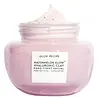 Key Ingredients
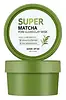
Benefits
Concerns
Ingredients Side-by-side
Water
Skin ConditioningGlycerin
Humectant


Kaolin
Abrasive



Stearyl Alcohol
Emollient


Hydroxypropyl Starch Phosphate
Bentonite
Absorbent
Caprylic/Capric Triglyceride
Masking
Glyceryl Stearate Se
Emulsifying


Citrullus Lanatus Fruit Extract
Skin Conditioning
Gluconolactone
Chelating



Hydrated Silica
Abrasive
Maris Aqua
HumectantSalix Alba Bark Extract
Astringent
Sodium Stearoyl Lactylate
EmulsifyingXanthan Gum
EmulsifyingLactobacillus/Watermelon Fruit Ferment Extract
Skin ConditioningSodium Hyaluronate
Humectant

Hydrolyzed Sodium Hyaluronate
Skin Conditioning
Bambusa Arundinacea Stem Extract
Skin ConditioningLycium Barbarum Fruit Extract
Astringent
Leuconostoc/Radish Root Ferment Filtrate
Antimicrobial
Caprylyl Glycol
Emollient
1,2-Hexanediol
Skin Conditioning
Citric Acid
Buffering
Maltodextrin
Absorbent
Eclipta Prostrata Extract
Skin Conditioning
Glucose
Humectant
Sodium Phytate
ChelatingSilica
Abrasive
Melia Azadirachta Leaf Extract
Skin ConditioningPotassium Sorbate
Preservative
Hexylene Glycol
EmulsifyingMoringa Oleifera Seed Oil
Emollient
Vaccinium Corymbosum Seed
Abrasive
Hydroxyacetophenone
Antioxidant
Carrageenan
CI 77891
Cosmetic ColorantPhenoxyethanol
Preservative
Parfum
Masking


Water, Glycerin, Kaolin, Stearyl Alcohol, Hydroxypropyl Starch Phosphate, Bentonite, Caprylic/Capric Triglyceride, Glyceryl Stearate Se, Citrullus Lanatus Fruit Extract, Gluconolactone, Hydrated Silica, Maris Aqua, Salix Alba Bark Extract, Sodium Stearoyl Lactylate, Xanthan Gum, Lactobacillus/Watermelon Fruit Ferment Extract, Sodium Hyaluronate, Hydrolyzed Sodium Hyaluronate, Bambusa Arundinacea Stem Extract, Lycium Barbarum Fruit Extract, Leuconostoc/Radish Root Ferment Filtrate, Caprylyl Glycol, 1,2-Hexanediol, Citric Acid, Maltodextrin, Eclipta Prostrata Extract, Glucose, Sodium Phytate, Silica, Melia Azadirachta Leaf Extract, Potassium Sorbate, Hexylene Glycol, Moringa Oleifera Seed Oil, Vaccinium Corymbosum Seed, Hydroxyacetophenone, Carrageenan, CI 77891, Phenoxyethanol, Parfum
Water
Skin ConditioningKaolin
Abrasive
Glycerin
Humectant
Camellia Sinensis Leaf Water
Masking
CI 77891
Cosmetic ColorantBentonite
Absorbent
Magnesium Aluminum Silicate
Absorbent
Chamaecyparis Obtusa Leaf Extract
Skin ConditioningSilica
Abrasive
Manicouagan Clay
AbsorbentCamellia Sinensis Leaf
Perfuming
Camellia Sinensis Leaf Powder
Houttuynia Cordata Powder
Skin ConditioningCentella Asiatica Extract
Cleansing
Camellia Sinensis Leaf Extract
Antimicrobial
Salix Alba Bark Extract
Astringent
Rosa Rugosa Leaf Extract
HumectantMelissa Officinalis Leaf Extract
Skin ConditioningMelaleuca Alternifolia Leaf Water
Antimicrobial
Allantoin
Skin Conditioning
Madecassic Acid
Skin Conditioning
Asiaticoside
Antioxidant
Asiatic Acid
Skin Conditioning
Capryloyl Salicylic Acid
Exfoliating
Butylene Glycol
Humectant
Caprylyl Glycol
Emollient
Xanthan Gum
EmulsifyingPolyvinyl Alcohol
1,2-Hexanediol
Skin Conditioning
Benzyl Glycol
SolventEthylhexylglycerin
Skin ConditioningRaspberry Ketone
Masking
Parfum
Masking
Water, Kaolin, Glycerin, Camellia Sinensis Leaf Water, CI 77891, Bentonite, Magnesium Aluminum Silicate, Chamaecyparis Obtusa Leaf Extract, Silica, Manicouagan Clay, Camellia Sinensis Leaf, Camellia Sinensis Leaf Powder, Houttuynia Cordata Powder, Centella Asiatica Extract, Camellia Sinensis Leaf Extract, Salix Alba Bark Extract, Rosa Rugosa Leaf Extract, Melissa Officinalis Leaf Extract, Melaleuca Alternifolia Leaf Water, Allantoin, Madecassic Acid, Asiaticoside, Asiatic Acid, Capryloyl Salicylic Acid, Butylene Glycol, Caprylyl Glycol, Xanthan Gum, Polyvinyl Alcohol, 1,2-Hexanediol, Benzyl Glycol, Ethylhexylglycerin, Raspberry Ketone, Parfum
Reviews
Ingredients Explained
These ingredients are found in both products.
Ingredients higher up in an ingredient list are typically present in a larger amount.
1,2-Hexanediol is a synthetic liquid and another multi-functional powerhouse.
It is a:
- Humectant, drawing moisture into the skin
- Emollient, helping to soften skin
- Solvent, dispersing and stabilizing formulas
- Preservative booster, enhancing the antimicrobial activity of other preservatives
Bentonite is an aluminium phyllosilicate clay with great absorbent properties. The name 'bentonite' comes from the area where the largest source is found: Fort Benton, Wyoming.
As a clay, bentonite is often used to absorb excess oil and provide exfoliation. It has also been shown to have some antibacterial and anti-inflammatory properties. Studies show bentonite was effective at calming dermatitis from poison ivy and in diaper dermatitis of infants. Bentonite has also been shown to act as a barrier against toxic compounds on your skin.
Sunscreens containing bentonite display higher water resistance and stay on the skin for much longer. The sunscreens containing bentonite also show higher potency and UV light absorbtion.
Bentonite is naturally created from volcanic ash and several natural weathering/hydrothermal processes.
A common usage of bentonite is removing excess protein from white wines. Bentonite contains a property of being able to absorb large amounts of protein from aqueous solutions.
Phyllosilicate clay has a structure formed by sheets.
Learn more about BentoniteCaprylyl Glycol is a humectant, skin conditioner, emollient, and preservative booster derived from either caprylic acid or synthetically created.
Typical use levels vary from 0.3-1% as a preservative booster and go up to 2% to condition skin.
Because it is not a free-fatty acid, this ingredient is fungal acne safe (there's nothing for Malassezia to feed on).
Learn more about Caprylyl GlycolCi 77891 is a white pigment from Titanium dioxide. It is naturally found in minerals such as rutile and ilmenite.
It's main function is to add a white color to cosmetics. It can also be mixed with other colors to create different shades.
Ci 77891 is commonly found in sunscreens due to its ability to block UV rays.
Learn more about CI 77891Glycerin (or glycerol) is a compound naturally found in your skin. It's a powerhouse humectant that pulls water into the stratum corneum.
Topically, glycerin does several things at once:
Your skin makes glycerin on its own (mostly from sebaceous oil breakdown) and shuttles it to your outermost layer of skin, or your epidermis, via aquaporin-3.
Aquaporin-3 is a transporter that is essential for normal skin hydration, elasticity, and repair. Interestingly, mice lacking in AQP3 have dry and less elastic skin that can be fully corrected with glycerin.
This ingredient is non-irritating, plays well with almost every ingredient, and works across all skin types. Typical use is anywhere between 3-10% but can go up to 79% in some leave-on products.
Just know very high concentrations (>40%) can feel tacky in low humidity.
Glycerin is the name for this ingredient in American English. British English uses Glycerol/Glycerine.
Learn more about GlycerinKaolin is a clay. It is used for oil control and to help minimize pores. Like other clays, kaolin has the ability to absorb excess sebum or oil. This can help clean out pores and mattify the skin.
Some types of kaolin may have exfoliating properties. When water is added to kaolin, it becomes a paste with small abrasive particles.
Most kaolin is a white color, but may be pink/orange/red depending on where it comes from.
The name 'kaolin' comes from a Chinese village named 'Gaoling'. Kaolin clay comes from rocks rich in kaolinite. Kaolinite, the mineral, has a silicate layered structure. Kaolinite is formed from chemical weathering of aluminum siilicate minerals.
Besides skincare, kaolin is commonly used to make glossy paper, in ceramics, toothpaste, and as medicine to soothe stomach issues.
Learn more about KaolinParfum is a catch-all term for an ingredient or more that is used to give a scent to products.
Also called "fragrance", this ingredient can be a blend of hundreds of chemicals or plant oils. This means every product with "fragrance" or "parfum" in the ingredients list is a different mixture.
For instance, Habanolide is a proprietary trade name for a specific aroma chemical. When used as a fragrance ingredient in cosmetics, most aroma chemicals fall under the broad labeling category of “FRAGRANCE” or “PARFUM” according to EU and US regulations.
The term 'parfum' or 'fragrance' is not regulated in many countries. In many cases, it is up to the brand to define this term.
For instance, many brands choose to label themselves as "fragrance-free" because they are not using synthetic fragrances. However, their products may still contain ingredients such as essential oils that are considered a fragrance by INCI standards.
One example is Calendula flower extract. Calendula is an essential oil that still imparts a scent or 'fragrance'.
Depending on the blend, the ingredients in the mixture can cause allergies and sensitivities on the skin. Some ingredients that are known EU allergens include linalool and citronellol.
Parfum can also be used to mask or cover an unpleasant scent.
The bottom line is: not all fragrances/parfum/ingredients are created equally. If you are worried about fragrances, we recommend taking a closer look at an ingredient. And of course, we always recommend speaking with a professional.
Learn more about ParfumSalix Alba Bark Extract comes from the bark of the white willow tree. The official CosIng listing states this ingredient to have astringent, skin conditioning, soothing, and tonic properties.
Its star compound is salicin, a natural glucoside that is chemically related to salicylic acid. That's why you'll often see it marketed as a "natural BHA alternative" but that's a bit of a stretch.
Your skin can't convert salicin to salicylic acid because it needs specific enzymes that aren't present on the skin's surface. It won't behave like true salicylic acid, especially at the concentrations used in cosmetics.
However, this ingredient has its own perks. It contains flavonoids, polyphenols, and tannins that give it proven antioxidant and soothing properties.
An 8-week clinical study found a cream with 2% of this extract improved skin microcirculation, elasticity, and dark circles. This is most likely due to its role in increasing hyaluronic acid synthesis in fibroblasts and improved vascular integrity.
Another study found a topical serum with 0.5% salicin showed improvements in visible signs of aging, hyperpigmentation, and texture.
Just be careful if you have a known aspirin/salicylate allergy and be sure to consult with a medical professional about using this ingredient if you do.
Fun fact: Willow Bark extract has been used for thousands of years and ancient civilizations used white willow to help treat pain and fevers.
Learn more about Salix Alba Bark ExtractSilica, also known as silicon dioxide, is a naturally occurring mineral. It is used as a fine, spherical, and porous powder in cosmetics.
Though it has exfoliant properties, the function of silica varies depending on the product.
The unique structure of silica enhances the spreadability and adds smoothness, making it a great texture enhancer.
It is also used as an active carrier, emulsifier, and mattifier due to its ability to absorb excess oil.
In some products, tiny microneedles called spicules are made from silica or hydrolyzed sponge. When you rub them in, they lightly polish away dead skin layers and enhance the penetration of active ingredients.
Learn more about SilicaWater. It's the most common cosmetic ingredient of all. You'll usually see it at the top of ingredient lists, meaning that it makes up the largest part of the product.
So why is it so popular? Water most often acts as a solvent - this means that it helps dissolve other ingredients into the formulation.
You'll also recognize water as that liquid we all need to stay alive. If you see this, drink a glass of water. Remember to stay hydrated!
Learn more about WaterXanthan gum is used as a stabilizer and thickener within cosmetic products. It helps give products a sticky, thick feeling - preventing them from being too runny.
On the technical side of things, xanthan gum is a polysaccharide - a combination consisting of multiple sugar molecules bonded together.
Xanthan gum is a pretty common and great ingredient. It is a natural, non-toxic, non-irritating ingredient that is also commonly used in food products.
Learn more about Xanthan Gum

