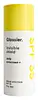
This chemical sunscreen covers most of the UV range, lighter on the deep UVA that drives aging.
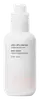
This mild gel cleanser is made to cleanse without leaving your skin tight or dry.

What's inside
What's inside
 Key Ingredients
Benefits
Concerns
Ingredients Side-by-side
Butyl Methoxydibenzoylmethane 3%
UV Absorber
Homosalate 6%
Skin Conditioning
Ethylhexyl Salicylate 5%
UV Absorber
Water
Skin ConditioningButyloctyl Salicylate
Skin Conditioning
Dipropylene Glycol
HumectantMethyl Trimethicone
Skin Conditioning
Biosaccharide Gum-4
Skin Conditioning
Caprylyl Methicone
Skin Conditioning
Propanediol
Solvent
Bis-Ethylhexyl Hydroxydimethoxy Benzylmalonate
Antioxidant
Betaine
Humectant
Acrylates Copolymer
Ammonium Acryloyldimethyltaurate/Vp Copolymer
Hydroxyacetophenone
Antioxidant
Phenoxyethanol
Preservative
Hydrolyzed Wheat Protein/Pvp Crosspolymer
Dibutyl Lauroyl Glutamide
Skin ConditioningDibutyl Ethylhexanoyl Glutamide
Skin ConditioningButylene Glycol
Humectant
Citrus Aurantium Dulcis Peel Oil
Masking

Dipotassium Glycyrrhizate
Humectant
Carbomer
Emulsion StabilisingTocopheryl Acetate
Antioxidant

Aminomethyl Propanol
BufferingHippophae Rhamnoides Fruit Extract
Skin Conditioning
Disodium EDTA
Pentylene Glycol
Skin Conditioning
Aloe Barbadensis Leaf Extract
Emollient
Silica
Abrasive


Bioflavonoids
Skin ConditioningPotassium Sorbate
Preservative
Hydroxyphenyl Propamidobenzoic Acid
Skin ConditioningBrassica Oleracea Italica Extract
AstringentEthylhexylglycerin
Skin ConditioningCamellia Sinensis Leaf Extract
Antimicrobial
Ascorbyl Palmitate
Antioxidant



Butyl Methoxydibenzoylmethane 3%, Homosalate 6%, Ethylhexyl Salicylate 5%, Water, Butyloctyl Salicylate, Dipropylene Glycol, Methyl Trimethicone, Biosaccharide Gum-4, Caprylyl Methicone, Propanediol, Bis-Ethylhexyl Hydroxydimethoxy Benzylmalonate, Betaine, Acrylates Copolymer, Ammonium Acryloyldimethyltaurate/Vp Copolymer, Hydroxyacetophenone, Phenoxyethanol, Hydrolyzed Wheat Protein/Pvp Crosspolymer, Dibutyl Lauroyl Glutamide, Dibutyl Ethylhexanoyl Glutamide, Butylene Glycol, Citrus Aurantium Dulcis Peel Oil, Dipotassium Glycyrrhizate, Carbomer, Tocopheryl Acetate, Aminomethyl Propanol, Hippophae Rhamnoides Fruit Extract, Disodium EDTA, Pentylene Glycol, Aloe Barbadensis Leaf Extract, Silica, Bioflavonoids, Potassium Sorbate, Hydroxyphenyl Propamidobenzoic Acid, Brassica Oleracea Italica Extract, Ethylhexylglycerin, Camellia Sinensis Leaf Extract, Ascorbyl Palmitate
Water
Skin ConditioningRosa Damascena Flower Water
Masking
PEG-7 Glyceryl Cocoate
Emulsifying


Propanediol
Solvent
Poloxamer 184
EmulsifyingAcrylamide/Sodium Acryloyldimethyltaurate Copolymer
Emulsion StabilisingIsohexadecane
EmollientXylitylglucoside
Humectant
Betaine
Humectant
Allantoin
Skin Conditioning
Glycerin
Humectant
Panthenol
Skin Conditioning
Symphytum Officinale Root Extract
Skin ConditioningSodium Hyaluronate
Humectant
Anhydroxylitol
Humectant
Polysorbate 80
Emulsifying
Xylitol
Humectant
Ammonium Polyacryloyldimethyl Taurate
Emulsion StabilisingIsopropyl Myristate
Emollient


Isopropyl Palmitate
Emollient
Sorbitan Oleate
Emulsifying
Benzoic Acid
Masking
Ethylhexylglycerin
Skin ConditioningPotassium Sorbate
Preservative
Sodium Benzoate
Masking
Citric Acid
Buffering
Sodium Hydroxide
BufferingWater, Rosa Damascena Flower Water, PEG-7 Glyceryl Cocoate, Propanediol, Poloxamer 184, Acrylamide/Sodium Acryloyldimethyltaurate Copolymer, Isohexadecane, Xylitylglucoside, Betaine, Allantoin, Glycerin, Panthenol, Symphytum Officinale Root Extract, Sodium Hyaluronate, Anhydroxylitol, Polysorbate 80, Xylitol, Ammonium Polyacryloyldimethyl Taurate, Isopropyl Myristate, Isopropyl Palmitate, Sorbitan Oleate, Benzoic Acid, Ethylhexylglycerin, Potassium Sorbate, Sodium Benzoate, Citric Acid, Sodium Hydroxide
Reviews
Ingredients Explained
These ingredients are found in both products.
Ingredients higher up in an ingredient list are typically present in a larger amount.
Betaine is a humectant. Like hyaluronic acid, it helps attract and retain moisture in the skin. It’s known for being gentle and for helping the skin maintain balanced hydration.
Betaine is mainly used to improve hydration and support calmer skin. It helps skin cells regulate water balance because it functions as an osmolyte.
Some studies suggest betaine may support making skin tone more even.
Fun fact: Betaine naturally exists in the skin and the body. In cosmetic products, it can be either plant-derived (most commonly from sugar beets) or synthetically produced for consistency and stability.
Betaine is also known as trimethylglycine.
Learn more about BetaineEthylhexylglycerin is created from glycerin. It is a multitasker ingredient that:
The CIR Expert Panel found minimal skin absorption or sensitization of any kind in a safety assessment. Though this ingredient is considered well-tolerated, a small number of cases of allergic dermatitis have been published since 2002. Just be sure to patch test if you are unsure.
Industry-reported use ranges from 8% in rinse-off products and 2% in leave-on formulations.
Learn more about EthylhexylglycerinPotassium Sorbate is a preservative used to prevent yeast and mold in products. It is commonly found in both cosmetic and food products.
This ingredient comes from potassium salt derived from sorbic acid. Sorbic acid is a natural antibiotic and effective against fungus.
Both potassium sorbate and sorbic acid can be found in baked goods, cheeses, dried meats, dried fruit, ice cream, pickles, wine, yogurt, and more.
You'll often find this ingredient used with other preservatives.
Learn more about Potassium SorbatePropanediol is an all-star ingredient. It softens, hydrates, and smooths the skin.
It’s often used to:
Propanediol is not likely to cause sensitivity and considered safe to use. It is derived from corn or petroleum with a clear color and no scent.
Learn more about PropanediolWater. It's the most common cosmetic ingredient of all. You'll usually see it at the top of ingredient lists, meaning that it makes up the largest part of the product.
So why is it so popular? Water most often acts as a solvent - this means that it helps dissolve other ingredients into the formulation.
You'll also recognize water as that liquid we all need to stay alive. If you see this, drink a glass of water. Remember to stay hydrated!
Learn more about Water

