
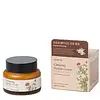
This anti-aging moisturizer is formulated around Panax Ginseng Root Extract and Niacinamide to soften the look of wrinkles and hydrate skin.
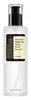
This hydrating essence is formulated around Snail Secretion Filtrate and Allantoin to hydrate skin and calm redness.

What's inside
What's inside
 Key Ingredients
Benefits
Concerns
No concerns
Ingredients Side-by-side
Panax Ginseng Root Extract
Emollient



Butylene Glycol
Humectant
Dipropylene Glycol
HumectantCaprylyl Methicone
Skin Conditioning
1,2-Hexanediol
Skin Conditioning
Propanediol
Solvent
Squalane
Emollient
Niacinamide
Smoothing






Glyceryl Stearate
Emollient

PEG-100 Stearate
Surfactant
C14-22 Alcohols
Emulsion Stabilising
Lactobacillus/Panax Ginseng Root Extract Ferment Filtrate
Skin ConditioningEthylhexyl Palmitate
Emollient


Cetyl Ethylhexanoate
EmollientDimethicone
Emollient
Macadamia Ternifolia Seed Oil
Emollient
Water
Skin ConditioningHydroxyacetophenone
Antioxidant
C12-20 Alkyl Glucoside
EmulsifyingDimethicone/Vinyl Dimethicone Crosspolymer
Skin Conditioning
Parfum
Masking


Carbomer
Emulsion StabilisingArginine
Masking
Hydroxyethyl Acrylate/Sodium Acryloyldimethyl Taurate Copolymer
Emulsion StabilisingHelianthus Annuus Seed Oil
Emollient
Hydrogenated Lecithin
Emulsifying
Adenosine
Skin Conditioning
Sodium Gluconate
ChelatingCeramide NP
Skin Conditioning
Lithospermum Erythrorhizon Root Oil
Skin Conditioning
Sorbitan Isostearate
Emulsifying
Polysorbate 60
Emulsifying
PEG-10 Rapeseed Sterol
CleansingGlycine Soja Oil
Emollient
Malt Extract
Skin ProtectingPentylene Glycol
Skin Conditioning
Glycereth-20
HumectantCamellia Japonica Flower Extract
EmollientMadecassoside
Antioxidant
Hydrolyzed Hyaluronic Acid
Humectant
Bixa Orellana Seed Oil
Emollient
Caprylyl Glycol
Emollient
Tremella Fuciformis Polysaccharide
Emulsion Stabilising
Ethylhexylglycerin
Skin ConditioningAcetyl Octapeptide-3
Humectant
Tocopherol
Antioxidant
Acetyl Hexapeptide-22
Antioxidant
Acetyl Hexapeptide-8
Humectant
Sh-Pentapeptide-19
Skin Conditioning
Sh-Octapeptide-4
Antioxidant
Oligopeptide-28
Antioxidant
Sh-Decapeptide-7
Antioxidant
Caffeoyl Tripeptide-1
Antioxidant
Sh-Oligopeptide-1
Skin Conditioning
Linalool
Perfuming
Benzyl Benzoate
Antimicrobial
Limonene
Perfuming
Geraniol
Perfuming
Citronellol
Perfuming
Alpha-Isomethyl Ionone
Perfuming
Panax Ginseng Root Extract, Butylene Glycol, Dipropylene Glycol, Caprylyl Methicone, 1,2-Hexanediol, Propanediol, Squalane, Niacinamide, Glyceryl Stearate, PEG-100 Stearate, C14-22 Alcohols, Lactobacillus/Panax Ginseng Root Extract Ferment Filtrate, Ethylhexyl Palmitate, Cetyl Ethylhexanoate, Dimethicone, Macadamia Ternifolia Seed Oil, Water, Hydroxyacetophenone, C12-20 Alkyl Glucoside, Dimethicone/Vinyl Dimethicone Crosspolymer, Parfum, Carbomer, Arginine, Hydroxyethyl Acrylate/Sodium Acryloyldimethyl Taurate Copolymer, Helianthus Annuus Seed Oil, Hydrogenated Lecithin, Adenosine, Sodium Gluconate, Ceramide NP, Lithospermum Erythrorhizon Root Oil, Sorbitan Isostearate, Polysorbate 60, PEG-10 Rapeseed Sterol, Glycine Soja Oil, Malt Extract, Pentylene Glycol, Glycereth-20, Camellia Japonica Flower Extract, Madecassoside, Hydrolyzed Hyaluronic Acid, Bixa Orellana Seed Oil, Caprylyl Glycol, Tremella Fuciformis Polysaccharide, Ethylhexylglycerin, Acetyl Octapeptide-3, Tocopherol, Acetyl Hexapeptide-22, Acetyl Hexapeptide-8, Sh-Pentapeptide-19, Sh-Octapeptide-4, Oligopeptide-28, Sh-Decapeptide-7, Caffeoyl Tripeptide-1, Sh-Oligopeptide-1, Linalool, Benzyl Benzoate, Limonene, Geraniol, Citronellol, Alpha-Isomethyl Ionone


Reviews
Ingredients Explained
These ingredients are found in both products.
Ingredients higher up in an ingredient list are typically present in a larger amount.
1,2-Hexanediol is a synthetic liquid and another multi-functional powerhouse.
It is a:
- Humectant, drawing moisture into the skin
- Emollient, helping to soften skin
- Solvent, dispersing and stabilizing formulas
- Preservative booster, enhancing the antimicrobial activity of other preservatives
Arginine is a semi-essential amino acid. This just means our bodies can product a bit on its own, but sometimes needs a little boost from food sources.
It is a part of your skin's natural moisturizing factor (NMF), or the water-loving molecules in your outermost layer of skin (stratum corneum) that keeps everything hydrated and happy.
Here's an interesting thing about Arginine: your skin converts it into urea through the Krebs-Henseleit urea cycle. Urea is one of the most effective humectants your skin naturally produces.
A clinical study showed applying 2.5% arginine hydrochloride to atopic dermatitis skin showed significant urea levels in the stratum corneum and improved moisture in just four weeks.
Arginine is also a precursor to nitric oxide; nitric oxide improves microcirculation and supports wound healing and collagen synthesis.
One study found that an amino acid complex containing Arginine reduced skin irritation, improved hydration, and accelerated skin repair in clinical / in-vivo studies.
Arginine itself is an amino acid and not a fatty acid, oil, or ester. On its own, it's not a direct food source for Malassezia, or the yeast that causes fungal acne.
Learn more about ArginineButylene Glycol (or BG) is used within cosmetic products for a few different reasons:
Overall, Butylene Glycol is a safe and well-rounded ingredient that works well with other ingredients.
Though this ingredient works well with most skin types, some people with sensitive skin may experience a reaction such as allergic rashes, closed comedones, or itchiness.
Learn more about Butylene GlycolCarbomer is a synthetic thickening and gelling agent. It's basically the ingredient that gives a lot of serums, gels, creams, and sunscreens their smooth, non-sticky texture.
Although legally permitted at very high levels, carbomers are normally used at concentrations below 1%.
It also needs to be neutralized to actually thicken, and because it is a large molecule, it doesn't really penetrate the skin barrier.
Allergy-wise, the risk is very low. Clinical studies show carbomers have low potential for skin irritation/sensitization even at concentrations up to 100%.
A 2024 UK study patch-tested 1,302 patients and found true allergy to the parent group of carbomer to be rare with no confirmed relevant reactions.
Learn more about CarbomerWater. It's the most common cosmetic ingredient of all. You'll usually see it at the top of ingredient lists, meaning that it makes up the largest part of the product.
So why is it so popular? Water most often acts as a solvent - this means that it helps dissolve other ingredients into the formulation.
You'll also recognize water as that liquid we all need to stay alive. If you see this, drink a glass of water. Remember to stay hydrated!
Learn more about Water

