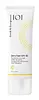
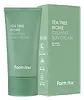
Geek & Gorgeous 101 Zero Feel SPF 50 Versus Farm Stay Tea Tree Biome Calming Sun Cream SPF50+ PA++++
This chemical sunscreen covers the full UV range and blocks ~98% of UVB at SPF 50.
This chemical sunscreen covers the full UV range and blocks ~98% of UVB at SPF 50.


What's inside
What's inside
 Key Ingredients
Benefits
Concerns
Ingredients Side-by-side
Water
Skin ConditioningDibutyl Adipate
EmollientDiethylamino Hydroxybenzoyl Hexyl Benzoate
UV Filter
C12-15 Alkyl Benzoate
AntimicrobialEthylhexyl Triazone
UV Absorber
Bis-Ethylhexyloxyphenol Methoxyphenyl Triazine
UV Absorber
Silica
Abrasive


Glyceryl Stearate Citrate
Emollient

Phenylbenzimidazole Sulfonic Acid
UV Absorber
Butylene Glycol Dicaprylate/Dicaprate
EmollientTapioca Starch
Glycerin
Humectant


Poly C10-30 Alkyl Acrylate
Emulsion StabilisingDimethicone
Emollient
Copernicia Cerifera Wax
Behenyl Alcohol
Emollient
Cetearyl Alcohol
Emollient



Xanthan Gum
EmulsifyingCarbomer
Emulsion StabilisingSodium Hydroxide
BufferingTocopheryl Acetate
Antioxidant


Disodium EDTA
ChelatingHydroxyacetophenone
Antioxidant
Ethylhexylglycerin
Skin ConditioningPhenoxyethanol
Preservative
Water, Dibutyl Adipate, Diethylamino Hydroxybenzoyl Hexyl Benzoate, C12-15 Alkyl Benzoate, Ethylhexyl Triazone, Bis-Ethylhexyloxyphenol Methoxyphenyl Triazine, Silica, Glyceryl Stearate Citrate, Phenylbenzimidazole Sulfonic Acid, Butylene Glycol Dicaprylate/Dicaprate, Tapioca Starch, Glycerin, Poly C10-30 Alkyl Acrylate, Dimethicone, Copernicia Cerifera Wax, Behenyl Alcohol, Cetearyl Alcohol, Xanthan Gum, Carbomer, Sodium Hydroxide, Tocopheryl Acetate, Disodium EDTA, Hydroxyacetophenone, Ethylhexylglycerin, Phenoxyethanol
Water
Skin ConditioningPropanediol
Solvent
Homosalate
Skin Conditioning
Butyloctyl Salicylate
Skin Conditioning
Ethylhexyl Salicylate
UV Absorber
CI 77891
Cosmetic ColorantDiethylamino Hydroxybenzoyl Hexyl Benzoate
UV Filter
Silica
Abrasive
Acrylates Copolymer
Polysorbate 60
Emulsifying
Glyceryl Stearate
Emollient
Beeswax
Emulsion Stabilising
Bis-Ethylhexyloxyphenol Methoxyphenyl Triazine
UV Absorber
Cetyl Dimethicone
Emollient
Sodium Stearoyl Lactylate
EmulsifyingPEG-100 Stearate
Surfactant
Caprylyl Glycol
Emollient
C20-22 Alkyl Phosphate
EmulsifyingSorbitan Stearate
Emulsifying
Aluminum Hydroxide
EmollientC20-22 Alcohols
Emulsion Stabilising
Polyhydroxystearic Acid
Emulsifying
Portulaca Oleracea Extract
Skin Conditioning

Stearic Acid
Cleansing
Parfum
Masking


Xanthan Gum
EmulsifyingAcrylamide/Sodium Acryloyldimethyltaurate Copolymer
Emulsion Stabilising1,2-Hexanediol
Skin Conditioning
Tromethamine
BufferingSodium Polyacryloyldimethyl Taurate
Emulsion StabilisingIsohexadecane
EmollientBenzotriazolyl Dodecyl P-Cresol
UV AbsorberNeopentyl Glycol Diethylhexanoate
Emollient
Disodium EDTA
ChelatingPolysorbate 80
Emulsifying
PPG-17
Skin ConditioningSorbitan Oleate
Emulsifying
Melaleuca Alternifolia Leaf Extract
Perfuming
Lactose
HumectantCentella Asiatica Extract
Cleansing

Phenethyl Alcohol
MaskingWater, Propanediol, Homosalate, Butyloctyl Salicylate, Ethylhexyl Salicylate, CI 77891, Diethylamino Hydroxybenzoyl Hexyl Benzoate, Silica, Acrylates Copolymer, Polysorbate 60, Glyceryl Stearate, Beeswax, Bis-Ethylhexyloxyphenol Methoxyphenyl Triazine, Cetyl Dimethicone, Sodium Stearoyl Lactylate, PEG-100 Stearate, Caprylyl Glycol, C20-22 Alkyl Phosphate, Sorbitan Stearate, Aluminum Hydroxide, C20-22 Alcohols, Polyhydroxystearic Acid, Portulaca Oleracea Extract, Stearic Acid, Parfum, Xanthan Gum, Acrylamide/Sodium Acryloyldimethyltaurate Copolymer, 1,2-Hexanediol, Tromethamine, Sodium Polyacryloyldimethyl Taurate, Isohexadecane, Benzotriazolyl Dodecyl P-Cresol, Neopentyl Glycol Diethylhexanoate, Disodium EDTA, Polysorbate 80, PPG-17, Sorbitan Oleate, Melaleuca Alternifolia Leaf Extract, Lactose, Centella Asiatica Extract, Phenethyl Alcohol
Reviews
Ingredients Explained
These ingredients are found in both products.
Ingredients higher up in an ingredient list are typically present in a larger amount.
This ingredient is better known as bemotrizinol or Tinosorb S and is one of the best broad-spectrum UV filters in modern sunscreen.
It works by absorbing UV light across a whole range (280-400 nm) with peaks around 310 nm (UVB) and 340-345 nm (UVA). This means it covers UVB plus the deeper UVA wavelengths that drive photoaging and pigmentation.
Another pro?
It's exceptionally photostable, barely degrades in sunlight, and acts as a "bodyguard" for less stable filters.
That's why you'll see it paired with avobenzone or octinoxate; this team up ensures they keep working through sun exposure.
Safety reviews have been reassuring across the board. This ingredient shows low absorption through the skin, rarely irritates, and lab studies found it doesn't act like a hormone in the body (a concern that's been raised about some older sunscreen filters).
On maximum concentrations:
In 2026, the US F.D.A finally added it as an OTC sunscreen ingredient at concentrations up to 6% for adults / children 6 months and older
Learn more about Bis-Ethylhexyloxyphenol Methoxyphenyl TriazineDiethylamino Hydroxybenzoyl Hexyl Benzoate (DHHB) is a chemical UV-A absorber. It is formulated for high UVA protection (320-400 nm).
DHHB is well-liked for:
DHHB has been approved by the EU, Japan, Taiwan, and South America for use up to 10%. Unfortunately, it has not been approved for use in the US or Canada due to slow regulatory processes.
This ingredient is soluble in oils, fats, and lipids.
Learn more about Diethylamino Hydroxybenzoyl Hexyl BenzoateDisodium EDTA is a chelating agent. It grabs onto and deactivates metal ions that sneak into your products from water, packaging, or air.
This ingredient mainly works behind the scenes and helps with:
On top of that, this ingredient can counteract the effects of hard water by binding to the minerals in it.
One thing worth knowing is that Disodium EDTA has been shown to be a mild penetration enhancer. It can help other ingredients absorb into skin more effectively which can be a double-edged sword (great for actives, but can also make the active too strong if you have sensitive skin).
Clinical patch testing showed no significant skin irritation at typical use concentrations and minimal dermal absorption.
You'll most likely see this ingredient near the end of an ingredient list. It's typically found in concentrations less than 1%.
Learn more about Disodium EDTASilica, also known as silicon dioxide, is a naturally occurring mineral. It is used as a fine, spherical, and porous powder in cosmetics.
Though it has exfoliant properties, the function of silica varies depending on the product.
The unique structure of silica enhances the spreadability and adds smoothness, making it a great texture enhancer.
It is also used as an active carrier, emulsifier, and mattifier due to its ability to absorb excess oil.
In some products, tiny microneedles called spicules are made from silica or hydrolyzed sponge. When you rub them in, they lightly polish away dead skin layers and enhance the penetration of active ingredients.
Learn more about SilicaWater. It's the most common cosmetic ingredient of all. You'll usually see it at the top of ingredient lists, meaning that it makes up the largest part of the product.
So why is it so popular? Water most often acts as a solvent - this means that it helps dissolve other ingredients into the formulation.
You'll also recognize water as that liquid we all need to stay alive. If you see this, drink a glass of water. Remember to stay hydrated!
Learn more about WaterXanthan gum is used as a stabilizer and thickener within cosmetic products. It helps give products a sticky, thick feeling - preventing them from being too runny.
On the technical side of things, xanthan gum is a polysaccharide - a combination consisting of multiple sugar molecules bonded together.
Xanthan gum is a pretty common and great ingredient. It is a natural, non-toxic, non-irritating ingredient that is also commonly used in food products.
Learn more about Xanthan Gum

