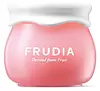
This anti-aging moisturizer is formulated around Punica Granatum Fruit Extract and Trehalose to soften the look of wrinkles and hydrate skin.
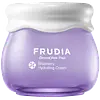
This calming moisturizer is formulated around Vaccinium Angustifolium Fruit Extract and Panthenol to calm redness and hydrate skin.

What's inside
What's inside
 Key Ingredients
Benefits
Concerns
Ingredients Side-by-side
Punica Granatum Fruit Extract 63%
Antioxidant


Glycerin
Humectant


Butylene Glycol
Humectant
Caprylic/Capric Triglyceride
Masking
Cyclopentasiloxane
Emollient
Diisostearyl Malate
EmollientPentaerythrityl Tetraethylhexanoate
Emollient
Dimethicone
Emollient
Cyclohexasiloxane
Emollient
1,2-Hexanediol
Skin Conditioning
Trehalose
Humectant
Glyceryl Stearate
Emollient

PEG-100 Stearate
Surfactant
Sorbitan Stearate
Emulsifying
Water
Skin ConditioningGlyceryl Caprylate
EmollientPEG-240/Hdi Copolymer Bis-Decyltetradeceth-20 Ether
StabilisingPolyglyceryl-3 Methylglucose Distearate
Emulsifying
Hydroxyethyl Acrylate/Sodium Acryloyldimethyl Taurate Copolymer
Emulsion StabilisingChlorphenesin
Antimicrobial
Sodium Polyacrylate
Absorbent
Dimethicone/Vinyl Dimethicone Crosspolymer
Skin Conditioning
Parfum
Masking



Ethylhexyl Stearate
Emollient

Coco-Caprylate/Caprate
Emollient
Sucrose Cocoate
Emulsifying
Adenosine
Skin Conditioning
Glyceryl Acrylate/Acrylic Acid Copolymer
HumectantDisodium EDTA
ChelatingPolysorbate 60
Emulsifying
Sorbitan Isostearate
Emulsifying
Prunus Armeniaca Kernel Oil
Masking
Vitis Vinifera Seed Oil
Emollient
Trideceth-6
EmulsifyingCitrus Paradisi Seed Oil
Perfuming
Mangifera Indica Seed Oil
Emollient
Punica Granatum Seed Oil
Emollient
Solanum Lycopersicum Seed Oil
Emollient
CI 14700
Cosmetic ColorantTocopherol
Antioxidant

Punica Granatum Fruit Extract 63%, Glycerin, Butylene Glycol, Caprylic/Capric Triglyceride, Cyclopentasiloxane, Diisostearyl Malate, Pentaerythrityl Tetraethylhexanoate, Dimethicone, Cyclohexasiloxane, 1,2-Hexanediol, Trehalose, Glyceryl Stearate, PEG-100 Stearate, Sorbitan Stearate, Water, Glyceryl Caprylate, PEG-240/Hdi Copolymer Bis-Decyltetradeceth-20 Ether, Polyglyceryl-3 Methylglucose Distearate, Hydroxyethyl Acrylate/Sodium Acryloyldimethyl Taurate Copolymer, Chlorphenesin, Sodium Polyacrylate, Dimethicone/Vinyl Dimethicone Crosspolymer, Parfum, Ethylhexyl Stearate, Coco-Caprylate/Caprate, Sucrose Cocoate, Adenosine, Glyceryl Acrylate/Acrylic Acid Copolymer, Disodium EDTA, Polysorbate 60, Sorbitan Isostearate, Prunus Armeniaca Kernel Oil, Vitis Vinifera Seed Oil, Trideceth-6, Citrus Paradisi Seed Oil, Mangifera Indica Seed Oil, Punica Granatum Seed Oil, Solanum Lycopersicum Seed Oil, CI 14700, Tocopherol
Vaccinium Angustifolium Fruit Extract
Skin Protecting
Glycerin
Humectant
Water
Skin ConditioningDimethicone
Emollient
1,2-Hexanediol
Skin Conditioning
Diglycerin
Humectant
Methylpropanediol
SolventPEG/PPG-17/6 Copolymer
SolventBetaine
Humectant
Trisiloxane
Skin Conditioning
Bis-PEG-18 Methyl Ether Dimethyl Silane
EmollientAcrylates/C10-30 Alkyl Acrylate Crosspolymer
Emulsion StabilisingTromethamine
BufferingDimethicone/Vinyl Dimethicone Crosspolymer
Skin Conditioning
Panthenol
Skin Conditioning
PEG-6 Methyl Ether
SolventEthylhexylglycerin
Skin ConditioningPolyglyceryl-10 Laurate
Skin Conditioning
Xanthan Gum
EmulsifyingBiosaccharide Gum-1
Humectant
Isoceteth-10
EmulsifyingIsoceteth-25
EmulsifyingSodium Hyaluronate
Humectant
BHT
Antioxidant
Coco-Caprylate/Caprate
Emollient
Prunus Armeniaca Kernel Oil
Masking
Vitis Vinifera Seed Oil
Emollient
Citrus Paradisi Seed Oil
Perfuming
Mangifera Indica Seed Oil
Emollient
Punica Granatum Seed Oil
Emollient
Solanum Lycopersicum Seed Oil
Emollient
Tocopherol
Antioxidant
Disodium EDTA
ChelatingPhenoxyethanol
Preservative
CI 60730
Cosmetic ColorantParfum
Masking
Vaccinium Angustifolium Fruit Extract, Glycerin, Water, Dimethicone, 1,2-Hexanediol, Diglycerin, Methylpropanediol, PEG/PPG-17/6 Copolymer, Betaine, Trisiloxane, Bis-PEG-18 Methyl Ether Dimethyl Silane, Acrylates/C10-30 Alkyl Acrylate Crosspolymer, Tromethamine, Dimethicone/Vinyl Dimethicone Crosspolymer, Panthenol, PEG-6 Methyl Ether, Ethylhexylglycerin, Polyglyceryl-10 Laurate, Xanthan Gum, Biosaccharide Gum-1, Isoceteth-10, Isoceteth-25, Sodium Hyaluronate, BHT, Coco-Caprylate/Caprate, Prunus Armeniaca Kernel Oil, Vitis Vinifera Seed Oil, Citrus Paradisi Seed Oil, Mangifera Indica Seed Oil, Punica Granatum Seed Oil, Solanum Lycopersicum Seed Oil, Tocopherol, Disodium EDTA, Phenoxyethanol, CI 60730, Parfum
Reviews
Ingredients Explained
These ingredients are found in both products.
Ingredients higher up in an ingredient list are typically present in a larger amount.
1,2-Hexanediol is a synthetic liquid and another multi-functional powerhouse.
It is a:
- Humectant, drawing moisture into the skin
- Emollient, helping to soften skin
- Solvent, dispersing and stabilizing formulas
- Preservative booster, enhancing the antimicrobial activity of other preservatives
Citrus Paradisi Seed Oil is a fragrance, is an oil, and isn't fungal acne safe.
Coco-Caprylate/Caprate is a lightweight ester created from coconut oil fatty acids, caprylic acid, and capric acid.
It is an emollient that helps soften skin and reduce transepidermal water loss (TEWL). What sets it apart from heavier emollients is its ultralight, non-greasy feel.
Once applied, this ingredient dries down quickly and leaves a dry, silky finish behind. This also helps improve spreadability and texture.
This ingredient has an excellent safety-record and is non-irritating.
Typical concentrations for cosmetics range from 0.5-62%.
Research on Malassezia growth found no growth on fatty acid esters with chain lengths shorter than 12 carbons (it prefers C11-24).
Since Coco-Caprylate/Caprate is built on C8 and C10 fatty acids, it is out of the range that Malassezia metabolizes, and therefore safe for fungal acne.
Learn more about Coco-Caprylate/CaprateDimethicone is a type of synthetic silicone created from natural materials such as quartz. It is also known as polydimethylsiloxane.
What it does:
Dimethicone comes in different viscosities:
Depending on the viscosity, dimethicone has different properties.
Ingredients lists don't always show which type is used, so we recommend reaching out to the brand if you have questions about the viscosity.
This ingredient is unlikely to cause irritation because it does not get absorbed into skin. However, people with silicone allergies should be careful about using this ingredient.
Note: Dimethicone may contribute to pilling. This is because it is not oil or water soluble, so pilling may occur when layered with products. When mixed with heavy oils in a formula, the outcome is also quite greasy.
Learn more about DimethiconeThis ingredient is a silicone elastomer that works as a texture enhancer, adds a silky slip, and also helps absorb excess oil.
Because it's a large macromolecule that's insoluble in water and chemically inert, it's not expected to penetrate or be absorbed into skin.
Human patch tests with a facial lotion containing 1% of this ingredient found no sensitization.
Learn more about Dimethicone/Vinyl Dimethicone CrosspolymerDisodium EDTA is a chelating agent. It grabs onto and deactivates metal ions that sneak into your products from water, packaging, or air.
This ingredient mainly works behind the scenes and helps with:
On top of that, this ingredient can counteract the effects of hard water by binding to the minerals in it.
One thing worth knowing is that Disodium EDTA has been shown to be a mild penetration enhancer. It can help other ingredients absorb into skin more effectively which can be a double-edged sword (great for actives, but can also make the active too strong if you have sensitive skin).
Clinical patch testing showed no significant skin irritation at typical use concentrations and minimal dermal absorption.
You'll most likely see this ingredient near the end of an ingredient list. It's typically found in concentrations less than 1%.
Learn more about Disodium EDTAGlycerin (or glycerol) is a compound naturally found in your skin. It's a powerhouse humectant that pulls water into the stratum corneum.
Topically, glycerin does several things at once:
Your skin makes glycerin on its own (mostly from sebaceous oil breakdown) and shuttles it to your outermost layer of skin, or your epidermis, via aquaporin-3.
Aquaporin-3 is a transporter that is essential for normal skin hydration, elasticity, and repair. Interestingly, mice lacking in AQP3 have dry and less elastic skin that can be fully corrected with glycerin.
This ingredient is non-irritating, plays well with almost every ingredient, and works across all skin types. Typical use is anywhere between 3-10% but can go up to 79% in some leave-on products.
Just know very high concentrations (>40%) can feel tacky in low humidity.
Glycerin is the name for this ingredient in American English. British English uses Glycerol/Glycerine.
Learn more about GlycerinMangifera Indica Seed Oil is an oil and isn't fungal acne safe.
Parfum is a catch-all term for an ingredient or more that is used to give a scent to products.
Also called "fragrance", this ingredient can be a blend of hundreds of chemicals or plant oils. This means every product with "fragrance" or "parfum" in the ingredients list is a different mixture.
For instance, Habanolide is a proprietary trade name for a specific aroma chemical. When used as a fragrance ingredient in cosmetics, most aroma chemicals fall under the broad labeling category of “FRAGRANCE” or “PARFUM” according to EU and US regulations.
The term 'parfum' or 'fragrance' is not regulated in many countries. In many cases, it is up to the brand to define this term.
For instance, many brands choose to label themselves as "fragrance-free" because they are not using synthetic fragrances. However, their products may still contain ingredients such as essential oils that are considered a fragrance by INCI standards.
One example is Calendula flower extract. Calendula is an essential oil that still imparts a scent or 'fragrance'.
Depending on the blend, the ingredients in the mixture can cause allergies and sensitivities on the skin. Some ingredients that are known EU allergens include linalool and citronellol.
Parfum can also be used to mask or cover an unpleasant scent.
The bottom line is: not all fragrances/parfum/ingredients are created equally. If you are worried about fragrances, we recommend taking a closer look at an ingredient. And of course, we always recommend speaking with a professional.
Learn more about ParfumThis ingredient is also known as Apricot kernel oil, and it comes form the seed kernels of apricot (a member of the Rosaceae family like almond, peach, cherry, and plum).
It's mostly made up of triglycerides: oleic acid (43.9-78.5%), linoleic acid (9.7-37%), and palmitic acid (4.9-7.3%). These numbers vary depending on the variety of Prunus and the ripeness of the fruit; oleic tends to go up at late harvest while linoleic goes down.
Vitamin E is also prevalent in this ingredient and the most dominant form is gamma-tocopherol.
These compounds give the ingredient emollient and skin conditioning properties that keep the skin soft and hydrated.
There's no regulatory maximum cap for this ingredient so you'll see it across a huge concentration range (100% as a single ingredient facial oil).
On allergies: refined cosmetic-grade oils carry almost no protein. The CIR notes that people allergic to a food generally do not react to the refined oil because the allergenic protein does not partition into it (though cold-pressed grades retain more).
However, it's worth patch testing if you have a stone fruit or tree nut allergy because manufacturer processes for removing the protein can vary.
Malassezia lacks the cytosolic fatty acid synthase gene so the yeast cannot make palmitate on its own and instead uses lipases and phospholipases to release fatty acids from host lipids. Since apricot kernel oil is entirely C16-18 (right in the usable range of C11-24), this ingredient may not be fungal acne safe.
Old rabbit-ear testing did assign this ingredient a comedogenic rating of 1-2. The original author has stated that testing on rabbit ears is not an ideal model for human comedogenicity.
Human testing has proved that any finished product with a comedogenic ingredient won't automatically make you break out; it really comes down to concentration, formula, and your skin.
Just know high-oleic oils tend to feel heavier on oily skin so it's worth patch testing.
Learn more about Prunus Armeniaca Kernel OilPunica Granatum Seed Oil is created from the seeds of the pomegranate. Pomegranate seed oil helps hydrate the skin, is anti-inflammatory, and contains antioxidants.
Pomegranates are rich in fatty acids, including an unsaturated fatty acid by the name of Punicic acid. Other components of pomegranates include Vitamin E, Vitamin C, and bioactive lipids such as phytosterols, phospholipids, and triterpenes. Punicic acid helps soothe inflammation.
As an emollient, pomegranate oil creates a thin film on the skin. This film helps prevent moisture loss, keeping your skin hydrated.
Learn more about Punica Granatum Seed OilSolanum Lycopersicum Seed Oil is an oil and isn't fungal acne safe.
Tocopherol is a fat-soluble antioxidant known as Vitamin E.
You'll find this ingredient in the vast majority of skincare (for good reason). It works to neutralize free radicals, or unstable molecules generated by UV exposure, pollution, and other environmental stressors, before they can cause oxidative damage to your skin cells.
Topically applied tocopherol has been shown to protect against UV damage by ramping up the skin's own natural defense enzymes.
It also acts as a skin conditioning agent; some studies show that regular topical use can improve the skin's water-binding capacity over 2-4 weeks.
This ingredient is especially loved for being a team player. When combined with Vitamin C, the photoprotective effect of both ingredients roughly doubles and the combo also helps reduce UV-induced DNA damage.
This ingredient has some brightening potential but it's more of a prevention ingredient than spot-fader. Cell studies show it can slow down melanin production but it's worth noting that it's not the most powerful brightener out there.
In formulations, it also serves as a stabilizer that helps protect other oxidation-prone ingredients from degrading.
Concentrations usually range from 0.1-1% in most leave-on products.
Learn more about TocopherolVitis Vinifera Seed Oil comes from the grape vine. Grape seeds are a byproduct of creating grape juice or wine.
The components of grape seeds have many skin benefits. Research has found it to be antimicrobial and anti-inflammatory. It also contains many potent antioxidants such as Vitamin E , Vitamin C, proanthocyanidins, polyphenols, flavonoids, and anthocyanins. Proanthocyanidin has been shown to help even out skin tone.
Antioxidants help fight free-radical molecules. Free-radical molecules are capable of damaging our cells and other genetic material. Antioxidants help stabilize free-radicals by donating extra electrons. Grape seed extract may help reduce the signs of aging.
The antimicrobial properties of grape seed may help treat acne. However, more research is needed to support this claim.
Grape seed has also been found to help absorb UV rays. Grape seed extract should not replace your sunscreen.
The fatty acids of grape seed oil give it emollient properties. Emollients help soothe and soften your skin by creating a film. This film traps moisture within, keeping your skin hydrated.
Learn more about Vitis Vinifera Seed OilWater. It's the most common cosmetic ingredient of all. You'll usually see it at the top of ingredient lists, meaning that it makes up the largest part of the product.
So why is it so popular? Water most often acts as a solvent - this means that it helps dissolve other ingredients into the formulation.
You'll also recognize water as that liquid we all need to stay alive. If you see this, drink a glass of water. Remember to stay hydrated!
Learn more about Water

