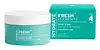
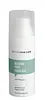
Fresh Elements By M&S Hydrate Overnight Moisture Cream Versus Danish Skin Care Perfect Skin Moisturizer
This barrier-repair night moisturizer is formulated around Squalane and Sodium Hyaluronate to strengthen the skin barrier and hydrate skin.
This anti-aging night moisturizer is formulated around Aloe Barbadensis Leaf Extract and Urea to soften the look of wrinkles and refine skin texture.


What's inside
What's inside
 Key Ingredients
Benefits
Concerns
Ingredients Side-by-side
Water
Skin ConditioningIsoamyl Laurate
Emollient

Squalane
Emollient


Propanediol
Solvent
Glycerin
Humectant
Cetearyl Alcohol
Emollient




Arachidyl Alcohol
Emollient
Behenyl Alcohol
Emollient
Phenoxyethanol
Preservative
Caprylyl Glycol
Emollient
Arachidyl Glucoside
EmulsifyingParfum
Masking


Acrylates/C10-30 Alkyl Acrylate Crosspolymer
Emulsion StabilisingSodium Hyaluronate
Humectant

Panthenol
Skin Conditioning
Sodium Gluconate
ChelatingTrehalose
Humectant
Urea
Buffering

Tocopherol
Antioxidant



Xanthan Gum
EmulsifyingHydrolyzed Lupine Protein
Skin ConditioningPentylene Glycol
Skin Conditioning
Serine
Masking
Algin
MaskingDisodium Phosphate
BufferingGlyceryl Polyacrylate
Pullulan
Sodium Benzoate
Masking
Sodium Hydroxide
BufferingPotassium Phosphate
BufferingWater, Isoamyl Laurate, Squalane, Propanediol, Glycerin, Cetearyl Alcohol, Arachidyl Alcohol, Behenyl Alcohol, Phenoxyethanol, Caprylyl Glycol, Arachidyl Glucoside, Parfum, Acrylates/C10-30 Alkyl Acrylate Crosspolymer, Sodium Hyaluronate, Panthenol, Sodium Gluconate, Trehalose, Urea, Tocopherol, Xanthan Gum, Hydrolyzed Lupine Protein, Pentylene Glycol, Serine, Algin, Disodium Phosphate, Glyceryl Polyacrylate, Pullulan, Sodium Benzoate, Sodium Hydroxide, Potassium Phosphate
Water
Skin ConditioningAloe Barbadensis Leaf Extract
Emollient
Caprylic/Capric Triglyceride
Masking
Urea
Buffering
Glycerin
Humectant
Diheptyl Succinate
EmollientSodium Citrate
BufferingArachidyl Alcohol
Emollient
Anthemis Nobilis Flower Water
Masking
Sodium PCA
Humectant
Retinol
Skin Conditioning



Camellia Sinensis Leaf Extract
Antimicrobial
Sodium Hyaluronate
Humectant
Panthenol
Skin Conditioning
Tocopherol
Antioxidant
Allantoin
Skin Conditioning
Saccharide Isomerate
Humectant
Caprylyl Glycol
Emollient
C20-22 Alkyl Phosphate
EmulsifyingButylene Glycol
Humectant
Polyacrylate Crosspolymer-6
Emulsion StabilisingBehenyl Alcohol
Emollient
C20-22 Alcohols
Emulsion Stabilising
Citric Acid
Buffering
Arachidyl Glucoside
EmulsifyingSodium Hydroxide
BufferingBenzoic Acid
Masking
Dehydroacetic Acid
Preservative
Capryloyl Glycerin/Sebacic Acid Copolymer
Skin ConditioningT-Butyl Alcohol
Perfuming

Phenoxyethanol
Preservative
Water, Aloe Barbadensis Leaf Extract, Caprylic/Capric Triglyceride, Urea, Glycerin, Diheptyl Succinate, Sodium Citrate, Arachidyl Alcohol, Anthemis Nobilis Flower Water, Sodium PCA, Retinol, Camellia Sinensis Leaf Extract, Sodium Hyaluronate, Panthenol, Tocopherol, Allantoin, Saccharide Isomerate, Caprylyl Glycol, C20-22 Alkyl Phosphate, Butylene Glycol, Polyacrylate Crosspolymer-6, Behenyl Alcohol, C20-22 Alcohols, Citric Acid, Arachidyl Glucoside, Sodium Hydroxide, Benzoic Acid, Dehydroacetic Acid, Capryloyl Glycerin/Sebacic Acid Copolymer, T-Butyl Alcohol, Phenoxyethanol
Ingredients Explained
These ingredients are found in both products.
Ingredients higher up in an ingredient list are typically present in a larger amount.
Arachidyl Alcohol is a fatty alcohol made from the the arachidic acid found in peanut oil.
Despite having "alcohol" in the name, it is not related to denatured alcohol or ethanol.
This ingredient is a multitasker:
Just be sure to patch this ingredient if you have a peanut allergy (though this ingredient is highly processed and the allergenic proteins are typically removed).
Learn more about Arachidyl AlcoholThis ingredient is a plant-based surfactant and emulsifier. It helps oil and water based ingredients mix evenly to improve formula stability without adding a "greasy" feel.
Behenyl Alcohol is a type of fatty alcohol (these are different from the drying, solvent alcohols).
Fatty Alcohols have hydrating properties and are most often used as an emollient or to thicken a product. They are usually derived from natural fats and oils; behenyl alcohol is derived from the fats of vegetable oils.
Emollients help keep your skin soft and hydrated by creating a film that traps moisture in.
In 2000, Behenyl Alcohol was approved by the US as medicine to reduce the duration of cold sores.
Learn more about Behenyl AlcoholCaprylyl Glycol is a humectant, skin conditioner, emollient, and preservative booster derived from either caprylic acid or synthetically created.
Typical use levels vary from 0.3-1% as a preservative booster and go up to 2% to condition skin.
Because it is not a free-fatty acid, this ingredient is fungal acne safe (there's nothing for Malassezia to feed on).
Learn more about Caprylyl GlycolGlycerin (or glycerol) is a compound naturally found in your skin. It's a powerhouse humectant that pulls water into the stratum corneum.
Topically, glycerin does several things at once:
Your skin makes glycerin on its own (mostly from sebaceous oil breakdown) and shuttles it to your outermost layer of skin, or your epidermis, via aquaporin-3.
Aquaporin-3 is a transporter that is essential for normal skin hydration, elasticity, and repair. Interestingly, mice lacking in AQP3 have dry and less elastic skin that can be fully corrected with glycerin.
This ingredient is non-irritating, plays well with almost every ingredient, and works across all skin types. Typical use is anywhere between 3-10% but can go up to 79% in some leave-on products.
Just know very high concentrations (>40%) can feel tacky in low humidity.
Glycerin is the name for this ingredient in American English. British English uses Glycerol/Glycerine.
Learn more about GlycerinPanthenol is a common ingredient that helps hydrate and soothe the skin. It is found naturally in our skin and hair.
There are two forms of panthenol: D and L.
D-panthenol is also known as dexpanthenol. Most cosmetics use dexpanthenol or a mixture of D and L-panthenol.
Panthenol is famous due to its ability to go deeper into the skin's layers. Using this ingredient has numerous pros (and no cons):
Like hyaluronic acid, panthenol is a humectant. Humectants are able to bind and hold large amounts of water to keep skin hydrated.
This ingredient works well for wound healing. It works by increasing tissue in the wound and helps close open wounds.
Once oxidized, panthenol converts to pantothenic acid. Panthothenic acid is found in all living cells.
This ingredient is also referred to as pro-vitamin B5.
Learn more about PanthenolPhenoxyethanol is one of the most widely used preservatives in skincare (and for good reason!).
It has a large spectrum of antimicrobial activity and especially effective bacteria, yeast, and mold while only having a weak effect on your skin's natural microbiome.
On a cellular level, it disrupts the cell membranes of microbes by poking holes that make the cell leak. This shuts down the chemical reactions the microbe needs to make energy so it can no longer survive.
Another perk of this ingredient is that it stays functional across a wide pH range (3-10).
You'll often see it paired with boosters like Ethylhexylglycerin; one study showed that a 1:9 ratio of Ethylhexylglycerin to Phenoxyethanol damages bacterial membranes as effectively as doubling the Phenoxyethanol concentration on its own.
Typical use concentrations range from 0.3-1% depending on the formula, and this ingredient is capped at 1% int the EU.
Safety-wise, the fear mongering does not hold up to the evidence. The EU's Scientific Committee on Consumer Safety and FDA consider it safe as a preservative at up to 1%, including for children of all ages.
Adverse systemic effects only showed up in animal studies at exposures roughly 200x higher than what people get from cosmetics. And despite its very widespread use, this ingredient is a rare sensitizer and allergic reactions are uncommon.
Learn more about PhenoxyethanolSodium Hyaluronate is the salt form of hyaluronic acid. It is a long sugar chain that is naturally found in your skin, joints, and connective tissue that maintains hydration and elasticity.
In skincare, it works as a humectant. It pulls water from the environment and deeper layers of skin and binds it to the surface.
Interestingly, the size of the molecule affects its behavior:
Some clinical evidence links low molecular weight versions to improved wrinkle depth, elasticity, anti-inflammatory effects, and barrier repair.
Many serums use a blend of both weights so you can get surface hydration plus longer-lasting and deeper effects.
You'll typically see concentrations between 0.1-2% for this ingredient.
Learn more about Sodium HyaluronateSodium Hydroxide is also known as lye or caustic soda. It is used to adjust the pH of products; many ingredients require a specific pH to be effective.
In small amounts, sodium hydroxide is considered safe to use. However, large amounts may cause chemical burns due to its high alkaline.
Your skin has a natural pH and acid mantle. This acid mantle helps prevent harmful bacteria from breaking through. The acid mantle also helps keep your skin hydrated.
"Alkaline" refers to a high pH level. A low pH level would be considered acidic.
Learn more about Sodium HydroxideTocopherol is a fat-soluble antioxidant known as Vitamin E.
You'll find this ingredient in the vast majority of skincare (for good reason). It works to neutralize free radicals, or unstable molecules generated by UV exposure, pollution, and other environmental stressors, before they can cause oxidative damage to your skin cells.
Topically applied tocopherol has been shown to protect against UV damage by ramping up the skin's own natural defense enzymes.
It also acts as a skin conditioning agent; some studies show that regular topical use can improve the skin's water-binding capacity over 2-4 weeks.
This ingredient is especially loved for being a team player. When combined with Vitamin C, the photoprotective effect of both ingredients roughly doubles and the combo also helps reduce UV-induced DNA damage.
This ingredient has some brightening potential but it's more of a prevention ingredient than spot-fader. Cell studies show it can slow down melanin production but it's worth noting that it's not the most powerful brightener out there.
In formulations, it also serves as a stabilizer that helps protect other oxidation-prone ingredients from degrading.
Concentrations usually range from 0.1-1% in most leave-on products.
Learn more about TocopherolUrea is also called carbamide and is the diamide of carbonic acid. In cosmetics, urea is used to hydrate the skin. It also provides exfoliation in higher concentrations.
As a humectant, urea helps draw moisture from the air and from deep within the skin. This helps hydrate your skin. Studies show urea is an effective moisturizer for dry skin conditions. 40% urea is typical in medications for treating eczema and other skin conditions.
Urea has the strongest exfoliation effect in concentrations higher than 10%. It is a keratolytic agent, meaning it breaks down the keratin protein in the top layer of skin. This helps remove dead skin cells and flaking skin.
In medicine, urea has been shown to help increase the potency of other ingredients, such as fungal treatments.
Humans and animals use urea to metabolize nitrogen-containing compounds. Urea is highly soluble in water. Once dissolved, it is neither acidic nor alkaline.
Urea is actually one of the more well-studied and well-supported ingredients out there if you have eczema.
Clinical trials have shown that urea creams in the 5 - 10% range can:
Higher concentrations (20 -30%) can also help with thickened, scaly patches but is also more likely to sting on active flares.
Skip urea if you have rosacea. The AAD (American Academy of Dermatology) lists it alongside alcohol, menthol, and fragrance as a potential irritant for rosacea-prone skin. Urea's keratolytic and penetration-enhancing properties can trigger stinging, burning, and redness.
As always, your skin is unique, so definitely check in with your dermatologist.
Learn more about UreaWater. It's the most common cosmetic ingredient of all. You'll usually see it at the top of ingredient lists, meaning that it makes up the largest part of the product.
So why is it so popular? Water most often acts as a solvent - this means that it helps dissolve other ingredients into the formulation.
You'll also recognize water as that liquid we all need to stay alive. If you see this, drink a glass of water. Remember to stay hydrated!
Learn more about Water

