
What's inside
What's inside
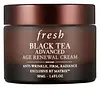 Key Ingredients
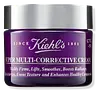
Benefits
Concerns
Ingredients Side-by-side
Water
Skin ConditioningGlycerin
Humectant


Pentylene Glycol
Skin Conditioning
Cocoglycerides
Emollient

Squalane
Emollient
Glyceryl Stearate Citrate
Emollient
Hydrogenated Coco-Glycerides
Emollient
Jojoba Esters
Emollient
Propanediol
Solvent
Polyglycerin-3
Humectant
Camellia Sinensis Leaf Extract
Antimicrobial





Nephelium Lappaceum Leaf Extract
Skin ConditioningAlpinia Speciosa Leaf Extract
Skin ConditioningTocopherol
Antioxidant

Tocopheryl Acetate
Antioxidant
Ceramide NP
Skin Conditioning
Carbomer
Emulsion StabilisingAdenosine
Skin Conditioning
Hydroxyacetophenone
Antioxidant
Chlorphenesin
Antimicrobial
Sodium Hydroxide
BufferingSodium Polyacrylate
Absorbent
Maltodextrin
Absorbent
Parfum
Masking



Linalool
Perfuming

Citronellol
Perfuming
Geraniol
Perfuming
Water, Glycerin, Pentylene Glycol, Cocoglycerides, Squalane, Glyceryl Stearate Citrate, Hydrogenated Coco-Glycerides, Jojoba Esters, Propanediol, Polyglycerin-3, Camellia Sinensis Leaf Extract, Nephelium Lappaceum Leaf Extract, Alpinia Speciosa Leaf Extract, Tocopherol, Tocopheryl Acetate, Ceramide NP, Carbomer, Adenosine, Hydroxyacetophenone, Chlorphenesin, Sodium Hydroxide, Sodium Polyacrylate, Maltodextrin, Parfum, Linalool, Citronellol, Geraniol
Water
Skin ConditioningGlycerin
Humectant
Dicaprylyl Ether
Emollient
Butyrospermum Parkii Butter
Skin Conditioning

Hydroxypropyl Tetrahydropyrantriol
Skin ConditioningIsononyl Isononanoate
EmollientPropylene Glycol
Humectant
Isopropyl Isostearate
Emollient
Cetyl Alcohol
Emollient
Dimethicone
Emollient
Behenyl Alcohol
Emollient
Candelilla Cera
Emollient
Euphorbia Cerifera Cera
Astringent
Glyceryl Stearate
Emollient
Stearic Acid
Cleansing
Hydroxyethylpiperazine Ethane Sulfonic Acid
BufferingPalmitic Acid
Emollient
Phenoxyethanol
Preservative
Cetearyl Alcohol
Emollient
Citric Acid
Buffering
Carbomer
Emulsion StabilisingCapryloyl Salicylic Acid
Exfoliating

Sodium Hydroxide
BufferingCaprylyl Glycol
Emollient
PEG-100 Stearate
Surfactant
Vigna Aconitifolia Seed Extract
Skin ConditioningTocopherol
Antioxidant
Xanthan Gum
EmulsifyingCetearyl Glucoside
Emulsifying
Sodium Cocoyl Glutamate
Cleansing
Sodium Hyaluronate
Humectant
Disodium EDTA
Pentylene Glycol
Skin Conditioning
Jasminum Officinale Flower Extract
Masking
Myristic Acid
Cleansing
Rosmarinus Officinalis Leaf Oil
Masking

Adenosine
Skin Conditioning
Inonotus Obliquus Extract
Skin ConditioningLimonene
Perfuming
Linalool
Perfuming
Pelargonium Graveolens Flower Oil
Masking
Lavandula Angustifolia Oil
Masking
Rosa Damascena Flower Oil
Masking
Water, Glycerin, Dicaprylyl Ether, Butyrospermum Parkii Butter, Hydroxypropyl Tetrahydropyrantriol, Isononyl Isononanoate, Propylene Glycol, Isopropyl Isostearate, Cetyl Alcohol, Dimethicone, Behenyl Alcohol, Candelilla Cera, Euphorbia Cerifera Cera, Glyceryl Stearate, Stearic Acid, Hydroxyethylpiperazine Ethane Sulfonic Acid, Palmitic Acid, Phenoxyethanol, Cetearyl Alcohol, Citric Acid, Carbomer, Capryloyl Salicylic Acid, Sodium Hydroxide, Caprylyl Glycol, PEG-100 Stearate, Vigna Aconitifolia Seed Extract, Tocopherol, Xanthan Gum, Cetearyl Glucoside, Sodium Cocoyl Glutamate, Sodium Hyaluronate, Disodium EDTA, Pentylene Glycol, Jasminum Officinale Flower Extract, Myristic Acid, Rosmarinus Officinalis Leaf Oil, Adenosine, Inonotus Obliquus Extract, Limonene, Linalool, Pelargonium Graveolens Flower Oil, Lavandula Angustifolia Oil, Rosa Damascena Flower Oil
Ingredients Explained
These ingredients are found in both products.
Ingredients higher up in an ingredient list are typically present in a larger amount.
Adenosine is in every living organism. It is one of four components in nucleic acids that helps store our DNA.
Adenosine has many benefits when used. These benefits include hydrating the skin, smoothing skin, and reducing wrinkles. Once applied, adenosine increases collagen production. It also helps with improving firmness and tissue repair.
Studies have found adenosine may also help with wound healing.
In skincare products, Adenosine is usually derived from yeast.
Learn more about AdenosineCarbomer is a high-molecular weight polymer of acrylic acid. It is used to form gels and thicken formulas.
Due to its large molecular size, carbomer has minimal skin penetration and is considered an inert ingredient.
A high amount of carbomer can cause pilling or balling up of products. Don't worry, most products contain 1% or less of carbomer.
Learn more about CarbomerGlycerin (or glycerol) is a compound naturally found in your skin. It's a powerhouse humectant that pulls water into the stratum corneum.
Topically, glycerin does several things at once:
Your skin makes glycerin on its own (mostly from sebaceous oil breakdown) and shuttles it to your outermost layer of skin, or your epidermis, via aquaporin-3.
Aquaporin-3 is a transporter that is essential for normal skin hydration, elasticity, and repair. Interestingly, mice lacking in AQP3 have dry and less elastic skin that can be fully corrected with glycerin.
This ingredient is non-irritating, plays well with almost every ingredient, and works across all skin types. Typical use is anywhere between 3-10% but can go up to 79% in some leave-on products.
Just know very high concentrations (>40%) can feel tacky in low humidity.
Glycerin is the name for this ingredient in American English. British English uses Glycerol/Glycerine.
Learn more about GlycerinLinalool is a fragrance and helps add scent to products. It's derived from common plants such as cinnamon, mint, citrus, and lavender.
Like Limonene, this ingredient oxidizes when exposed to air. Oxidized linalool can cause allergies and skin sensitivity.
This ingredient has a scent that is floral, spicy tropical, and citrus-like.
Learn more about LinaloolPentylene glycol is typically used within a product to thicken it. It also adds a smooth, soft, and moisturizing feel to the product. It is naturally found in plants such as sugar beets.
The hydrophilic trait of Pentylene Glycol makes it a humectant. As a humectant, Pentylene Glycol helps draw moisture from the air to your skin. This can help keep your skin hydrated.
This property also makes Pentylene Glycol a great texture enhancer. It can also help thicken or stabilize a product.
Pentylene Glycol also acts as a mild preservative and helps to keep a product microbe-free.
Some people may experience mild eye and skin irritation from Pentylene Glycol. We always recommend speaking with a professional about using this ingredient in your routine.
Pentylene Glycol has a low molecular weight and is part of the 1,2-glycol family.
Learn more about Pentylene GlycolSodium Hydroxide is also known as lye or caustic soda. It is used to adjust the pH of products; many ingredients require a specific pH to be effective.
In small amounts, sodium hydroxide is considered safe to use. However, large amounts may cause chemical burns due to its high alkaline.
Your skin has a natural pH and acid mantle. This acid mantle helps prevent harmful bacteria from breaking through. The acid mantle also helps keep your skin hydrated.
"Alkaline" refers to a high pH level. A low pH level would be considered acidic.
Learn more about Sodium HydroxideTocopherol is a fat-soluble antioxidant known as Vitamin E.
You'll find this ingredient in the vast majority of skincare (for good reason). It works to neutralize free radicals, or unstable molecules generated by UV exposure, pollution, and other environmental stressors, before they can cause oxidative damage to your skin cells.
Topically applied tocopherol has been shown to protect against UV damage by ramping up the skin's own natural defense enzymes.
It also acts as a skin conditioning agent; some studies show that regular topical use can improve the skin's water-binding capacity over 2-4 weeks.
This ingredient is especially loved for being a team player. When combined with Vitamin C, the photoprotective effect of both ingredients roughly doubles and the combo also helps reduce UV-induced DNA damage.
This ingredient has some brightening potential but it's more of a prevention ingredient than spot-fader. Cell studies show it can slow down melanin production but it's worth noting that it's not the most powerful brightener out there.
In formulations, it also serves as a stabilizer that helps protect other oxidation-prone ingredients from degrading.
Concentrations usually range from 0.1-1% in most leave-on products.
Learn more about TocopherolWater. It's the most common cosmetic ingredient of all. You'll usually see it at the top of ingredient lists, meaning that it makes up the largest part of the product.
So why is it so popular? Water most often acts as a solvent - this means that it helps dissolve other ingredients into the formulation.
You'll also recognize water as that liquid we all need to stay alive. If you see this, drink a glass of water. Remember to stay hydrated!
Learn more about Water
