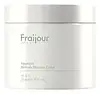
This calming moisturizer is formulated around Houttuynia Cordata Extract and Centella Asiatica Extract to calm redness and hydrate skin.

What's inside
What's inside
 Key Ingredients
Benefits
Concerns
Ingredients Side-by-side
Water
Skin ConditioningHouttuynia Cordata Extract
Skin Conditioning

1,2-Hexanediol
Skin Conditioning
Butylene Glycol
Humectant
Hydrogenated Polydecene
EmollientGlycerin
Humectant
Ethylhexyl Palmitate
Emollient




Caprylic/Capric Triglyceride
Masking
Centella Asiatica Extract
Cleansing

Ammonium Acryloyldimethyltaurate/Vp Copolymer
Sodium Hyaluronate
Humectant
Caprylyl Glycol
Emollient
Propanediol
Solvent
Illicium Verum Fruit Extract
Perfuming
Betaine
Humectant
Camellia Sinensis Leaf Extract
Antimicrobial



Melaleuca Alternifolia Leaf Extract
Perfuming
Rosmarinus Officinalis Leaf Extract
AntimicrobialHydroxyethylcellulose
Emulsion StabilisingAllantoin
Skin Conditioning
Acrylates/C10-30 Alkyl Acrylate Crosspolymer
Emulsion StabilisingGlycyrrhiza Uralensis Root Extract
Skin Conditioning
Diospyros Kaki Leaf Extract
Skin Protecting
Morus Alba Bark Extract
Skin ConditioningOpuntia Coccinellifera Fruit Extract
Skin ConditioningBrassica Oleracea Italica Extract
AstringentMedicago Sativa Extract
TonicBrassica Oleracea Capitata Leaf Extract
Skin ConditioningTriticum Vulgare Germ Extract
Skin ConditioningBrassica Campestris Extract
Skin ConditioningRaphanus Sativus Seed Extract
Skin ConditioningJasminum Officinale Flower/Leaf Extract
Masking
Lavandula Angustifolia Flower/Leaf/Stem Extract
Masking
Hamamelis Virginiana Bark/Leaf/Twig Extract
Skin Conditioning
Eucalyptus Globulus Leaf Extract
Perfuming
Calendula Officinalis Flower Extract
Masking
Mentha Piperita Leaf Extract
Skin ConditioningVerbena Officinalis Leaf Extract
MaskingChamomilla Recutita Flower Extract
Masking
Aspalathus Linearis Extract
Skin ConditioningAngelica Archangelica Root Extract
Masking
Agar
MaskingEthylhexylglycerin
Skin ConditioningArginine
Masking
Disodium EDTA
ChelatingMelaleuca Alternifolia Leaf Oil
Antioxidant


Dipotassium Glycyrrhizate
Humectant
Panthenol
Skin Conditioning
Water, Houttuynia Cordata Extract, 1,2-Hexanediol, Butylene Glycol, Hydrogenated Polydecene, Glycerin, Ethylhexyl Palmitate, Caprylic/Capric Triglyceride, Centella Asiatica Extract, Ammonium Acryloyldimethyltaurate/Vp Copolymer, Sodium Hyaluronate, Caprylyl Glycol, Propanediol, Illicium Verum Fruit Extract, Betaine, Camellia Sinensis Leaf Extract, Melaleuca Alternifolia Leaf Extract, Rosmarinus Officinalis Leaf Extract, Hydroxyethylcellulose, Allantoin, Acrylates/C10-30 Alkyl Acrylate Crosspolymer, Glycyrrhiza Uralensis Root Extract, Diospyros Kaki Leaf Extract, Morus Alba Bark Extract, Opuntia Coccinellifera Fruit Extract, Brassica Oleracea Italica Extract, Medicago Sativa Extract, Brassica Oleracea Capitata Leaf Extract, Triticum Vulgare Germ Extract, Brassica Campestris Extract, Raphanus Sativus Seed Extract, Jasminum Officinale Flower/Leaf Extract, Lavandula Angustifolia Flower/Leaf/Stem Extract, Hamamelis Virginiana Bark/Leaf/Twig Extract, Eucalyptus Globulus Leaf Extract, Calendula Officinalis Flower Extract, Mentha Piperita Leaf Extract, Verbena Officinalis Leaf Extract, Chamomilla Recutita Flower Extract, Aspalathus Linearis Extract, Angelica Archangelica Root Extract, Agar, Ethylhexylglycerin, Arginine, Disodium EDTA, Melaleuca Alternifolia Leaf Oil, Dipotassium Glycyrrhizate, Panthenol
Camellia Sinensis Leaf Water
Masking
Glycerin
Humectant
Caprylic/Capric Triglyceride
Masking
Butylene Glycol
Humectant
Hydrogenated Polyisobutene
EmollientDicaprylyl Carbonate
EmollientSucrose Stearate
EmollientWater
Skin Conditioning1,2-Hexanediol
Skin Conditioning
Behenyl Alcohol
Emollient
Glyceryl Stearate
Emollient
Arginine
Masking
Acrylates/C10-30 Alkyl Acrylate Crosspolymer
Emulsion StabilisingLactobacillus/Punica Granatum Fruit Ferment Extract
Antioxidant
Carbomer
Emulsion StabilisingBetaine
Humectant
Cannabis Sativa Seed Oil
Emollient
Panthenol
Skin Conditioning
Pyrus Communis Fruit Extract
Skin ConditioningLactobacillus Ferment Lysate
Skin Conditioning
Adenosine
Skin Conditioning
Cucumis Melo Fruit Extract
Skin ConditioningEthylhexylglycerin
Skin ConditioningPropanediol
Solvent
Pseudoalteromonas Ferment Extract
Humectant
Vetiveria Zizanoides Root Oil
Masking
Hedera Helix Leaf/Stem Extract
AntimicrobialDisodium EDTA
ChelatingHydrolyzed Sodium Hyaluronate
Skin Conditioning
Camellia Sinensis Leaf Extract
Antimicrobial
Caprylyl Glycol
Emollient
Sodium Hyaluronate Crosspolymer
Humectant
Hydrolyzed Hyaluronic Acid
Humectant
Sodium Hyaluronate
Humectant
Beta-Glucan
Skin Conditioning
Hyaluronic Acid
Humectant
Camellia Sinensis Leaf Water, Glycerin, Caprylic/Capric Triglyceride, Butylene Glycol, Hydrogenated Polyisobutene, Dicaprylyl Carbonate, Sucrose Stearate, Water, 1,2-Hexanediol, Behenyl Alcohol, Glyceryl Stearate, Arginine, Acrylates/C10-30 Alkyl Acrylate Crosspolymer, Lactobacillus/Punica Granatum Fruit Ferment Extract, Carbomer, Betaine, Cannabis Sativa Seed Oil, Panthenol, Pyrus Communis Fruit Extract, Lactobacillus Ferment Lysate, Adenosine, Cucumis Melo Fruit Extract, Ethylhexylglycerin, Propanediol, Pseudoalteromonas Ferment Extract, Vetiveria Zizanoides Root Oil, Hedera Helix Leaf/Stem Extract, Disodium EDTA, Hydrolyzed Sodium Hyaluronate, Camellia Sinensis Leaf Extract, Caprylyl Glycol, Sodium Hyaluronate Crosspolymer, Hydrolyzed Hyaluronic Acid, Sodium Hyaluronate, Beta-Glucan, Hyaluronic Acid
Reviews
Ingredients Explained
These ingredients are found in both products.
Ingredients higher up in an ingredient list are typically present in a larger amount.
1,2-Hexanediol is a synthetic liquid and another multi-functional powerhouse.
It is a:
- Humectant, drawing moisture into the skin
- Emollient, helping to soften skin
- Solvent, dispersing and stabilizing formulas
- Preservative booster, enhancing the antimicrobial activity of other preservatives
Acrylates/C10-30 Alkyl Acrylate Crosspolymer is a synthetic polymer. It is used to thicken, emulsify, and improve the texture of products.
As an emulsifier, it helps stabilize oil-in-water emulsions to give products an elegant feel when applied.
It can also form a thin protective film on skin. One study found that a formula using this polymer helped slow down how quickly other ingredients (like DEET) were absorbed through skin.
A 2024 study of over 1,300 patients confirmed that sensitization to this ingredient is rare. It is also non-mutagenic and has a clean track record.
Learn more about Acrylates/C10-30 Alkyl Acrylate CrosspolymerArginine is a semi-essential amino acid. This just means our bodies can product a bit on its own, but sometimes needs a little boost from food sources.
It is a part of your skin's natural moisturizing factor (NMF), or the water-loving molecules in your outermost layer of skin (stratum corneum) that keeps everything hydrated and happy.
Here's an interesting thing about Arginine: your skin converts it into urea through the Krebs-Henseleit urea cycle. Urea is one of the most effective humectants your skin naturally produces.
A clinical study showed applying 2.5% arginine hydrochloride to atopic dermatitis skin showed significant urea levels in the stratum corneum and improved moisture in just four weeks.
Arginine is also a precursor to nitric oxide; nitric oxide improves microcirculation and supports wound healing and collagen synthesis.
One study found that an amino acid complex containing Arginine reduced skin irritation, improved hydration, and accelerated skin repair in clinical / in-vivo studies.
Arginine itself is an amino acid and not a fatty acid, oil, or ester. On its own, it's not a direct food source for Malassezia, or the yeast that causes fungal acne.
Learn more about ArginineBetaine is a humectant. Like hyaluronic acid, it helps attract and retain moisture in the skin. It’s known for being gentle and for helping the skin maintain balanced hydration.
Betaine is mainly used to improve hydration and support calmer skin. It helps skin cells regulate water balance because it functions as an osmolyte.
Some studies suggest betaine may support making skin tone more even.
Fun fact: Betaine naturally exists in the skin and the body. In cosmetic products, it can be either plant-derived (most commonly from sugar beets) or synthetically produced for consistency and stability.
Betaine is also known as trimethylglycine.
Learn more about BetaineButylene Glycol (or BG) is used within cosmetic products for a few different reasons:
Overall, Butylene Glycol is a safe and well-rounded ingredient that works well with other ingredients.
Though this ingredient works well with most skin types, some people with sensitive skin may experience a reaction such as allergic rashes, closed comedones, or itchiness.
Learn more about Butylene GlycolCamellia Sinensis Leaf Extract (tea extract) is one of the most well-researched plant extracts in skincare with an impressive resume.
Black tea, green tea, and oolong tea are all harvested from the Camellia Sinensis plant.
Studies show green tea extract and its catechins (like epigallocatechin gallate (EGCG)) help your skin cells product energy more efficiently and reducing the number of free-radicals that can damage your skin from the inside.
In lab-grown skin models, this translated to younger, healthier, and stronger skin.
There's also good sun protection data; researchers saw less DNA damage and redness on human skin when green tea was applied before UVB exposure. And the more they applied, the better the protection.
Needless to say, this ingredient shouldn't replace your sunscreen. But it is a great supportive ingredient that you can already find in many sunscreens and antioxidant serums.
A 2009 study found a 2% green tea lotion was effective for mild-to-moderate acne thanks to its anti-inflammatory and mild antimicrobial activity.
The quality of the extract matters a lot here:
Good extracts contain 50-90% catechins while lower quality ones are mostly there for marketing. We recommend reaching out to the brand if you have questions about the quality or source of their ingredients.
Human Repeated Insult Patch Testing showed no irritation or sensitization at use concentrations (0.86% in leave-on products and up to 30% as leaf water).
Learn more about Camellia Sinensis Leaf ExtractCaprylic/Capric Triglyceride (aka MCT Oil) is a lightweight emollient, solvent, and texture enhancer. It is considered a skin-softener by helping to prevent moisture loss.
Though it behaves like an oil, it is not technically one due to its chemical composition. One perk of this ingredient is that it is very stable, resistant to oxidation, and unlikely to go rancid.
In practice, that translates to a long shelf life and a consistently elegant skin feel.
While there is an assumption Caprylic Triglyceride can clog pores due to it being derived from coconut oil, there is no research supporting this. Just patch test if you have concerns.
Fractionated coconut oil and MCT Oil are both listed as Caprylic/Capric Triglyceride according to INCI. This is because INCI names are based on the ingredient’s final chemical composition and not its marketing name or source.
This ingredient is treated as the gold standard fungal acne safe oil. Even though it is coconut derived, the problematic lauric acid is stripped out.
This leaves just caprylic (C8) and capric (C10) acid. These chain lengths actually trend antifungal; a 2020 study found caprylic acid was enough to disrupt Malassezia furfur cell membrane, with a caprylic acid derivative damaging membrane structures at concentrations as low as 0.2%.
Learn more about Caprylic/Capric TriglycerideCaprylyl Glycol is a humectant, skin conditioner, emollient, and preservative booster derived from either caprylic acid or synthetically created.
Typical use levels vary from 0.3-1% as a preservative booster and go up to 2% to condition skin.
Because it is not a free-fatty acid, this ingredient is fungal acne safe (there's nothing for Malassezia to feed on).
Learn more about Caprylyl GlycolDisodium EDTA is a chelating agent. It grabs onto and deactivates metal ions that sneak into your products from water, packaging, or air.
This ingredient mainly works behind the scenes and helps with:
On top of that, this ingredient can counteract the effects of hard water by binding to the minerals in it.
One thing worth knowing is that Disodium EDTA has been shown to be a mild penetration enhancer. It can help other ingredients absorb into skin more effectively which can be a double-edged sword (great for actives, but can also make the active too strong if you have sensitive skin).
Clinical patch testing showed no significant skin irritation at typical use concentrations and minimal dermal absorption.
You'll most likely see this ingredient near the end of an ingredient list. It's typically found in concentrations less than 1%.
Learn more about Disodium EDTAEthylhexylglycerin is created from glycerin. It is a multitasker ingredient that:
The CIR Expert Panel found minimal skin absorption or sensitization of any kind in a safety assessment. Though this ingredient is considered well-tolerated, a small number of cases of allergic dermatitis have been published since 2002. Just be sure to patch test if you are unsure.
Industry-reported use ranges from 8% in rinse-off products and 2% in leave-on formulations.
Learn more about EthylhexylglycerinGlycerin (or glycerol) is a compound naturally found in your skin. It's a powerhouse humectant that pulls water into the stratum corneum.
Topically, glycerin does several things at once:
Your skin makes glycerin on its own (mostly from sebaceous oil breakdown) and shuttles it to your outermost layer of skin, or your epidermis, via aquaporin-3.
Aquaporin-3 is a transporter that is essential for normal skin hydration, elasticity, and repair. Interestingly, mice lacking in AQP3 have dry and less elastic skin that can be fully corrected with glycerin.
This ingredient is non-irritating, plays well with almost every ingredient, and works across all skin types. Typical use is anywhere between 3-10% but can go up to 79% in some leave-on products.
Just know very high concentrations (>40%) can feel tacky in low humidity.
Glycerin is the name for this ingredient in American English. British English uses Glycerol/Glycerine.
Learn more about GlycerinPanthenol is a common ingredient that helps hydrate and soothe the skin. It is found naturally in our skin and hair.
There are two forms of panthenol: D and L.
D-panthenol is also known as dexpanthenol. Most cosmetics use dexpanthenol or a mixture of D and L-panthenol.
Panthenol is famous due to its ability to go deeper into the skin's layers. Using this ingredient has numerous pros (and no cons):
Like hyaluronic acid, panthenol is a humectant. Humectants are able to bind and hold large amounts of water to keep skin hydrated.
This ingredient works well for wound healing. It works by increasing tissue in the wound and helps close open wounds.
Once oxidized, panthenol converts to pantothenic acid. Panthothenic acid is found in all living cells.
This ingredient is also referred to as pro-vitamin B5.
Learn more about PanthenolPropanediol is an all-star ingredient. It softens, hydrates, and smooths the skin.
It’s often used to:
Propanediol is not likely to cause sensitivity and considered safe to use. It is derived from corn or petroleum with a clear color and no scent.
Learn more about PropanediolSodium Hyaluronate is the salt form of hyaluronic acid. It is a long sugar chain that is naturally found in your skin, joints, and connective tissue that maintains hydration and elasticity.
In skincare, it works as a humectant. It pulls water from the environment and deeper layers of skin and binds it to the surface.
Interestingly, the size of the molecule affects its behavior:
Some clinical evidence links low molecular weight versions to improved wrinkle depth, elasticity, anti-inflammatory effects, and barrier repair.
Many serums use a blend of both weights so you can get surface hydration plus longer-lasting and deeper effects.
You'll typically see concentrations between 0.1-2% for this ingredient.
Learn more about Sodium HyaluronateWater. It's the most common cosmetic ingredient of all. You'll usually see it at the top of ingredient lists, meaning that it makes up the largest part of the product.
So why is it so popular? Water most often acts as a solvent - this means that it helps dissolve other ingredients into the formulation.
You'll also recognize water as that liquid we all need to stay alive. If you see this, drink a glass of water. Remember to stay hydrated!
Learn more about Water

