
What's inside
What's inside
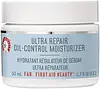 Key Ingredients
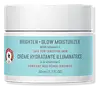
Benefits
Concerns
Ingredients Side-by-side
Water
Skin ConditioningDimethicone
Emollient

Propanediol
Solvent

Butylene Glycol
Humectant
Niacinamide
Smoothing









Nylon-12

Acrylates Crosspolymer
AbsorbentSodium Hyaluronate
Humectant
Enantia Chlorantha Bark Extract
Skin ConditioningAvena Sativa Kernel Extract
Abrasive

Camellia Sinensis Leaf Extract
Antimicrobial
Chrysanthemum Parthenium Extract
Skin ConditioningGlycerin
Humectant
Oleanolic Acid
Skin ConditioningSorbitan Isostearate
Emulsifying
Caprylyl Glycol
Emollient
Glyceryl Stearate Citrate
Emollient
Hydrogenated Polydecene
Emollient2-Hydroxyethyl Acrylate
1,2-Hexanediol
Skin Conditioning
Lecithin
Emollient
Polysilicone-11
Polysorbate 60
Emulsifying
Sodium Caprylate
EmulsifyingSodium Acrylates Copolymer
Laureth-8
EmulsifyingCitric Acid
Buffering

Phenoxyethanol
Preservative
Potassium Sorbate
Preservative
Sodium Benzoate
Masking
Water, Dimethicone, Propanediol, Butylene Glycol, Niacinamide, Nylon-12, Acrylates Crosspolymer, Sodium Hyaluronate, Enantia Chlorantha Bark Extract, Avena Sativa Kernel Extract, Camellia Sinensis Leaf Extract, Chrysanthemum Parthenium Extract, Glycerin, Oleanolic Acid, Sorbitan Isostearate, Caprylyl Glycol, Glyceryl Stearate Citrate, Hydrogenated Polydecene, 2-Hydroxyethyl Acrylate, 1,2-Hexanediol, Lecithin, Polysilicone-11, Polysorbate 60, Sodium Caprylate, Sodium Acrylates Copolymer, Laureth-8, Citric Acid, Phenoxyethanol, Potassium Sorbate, Sodium Benzoate
Water
Skin ConditioningTrioctyldodecyl Citrate
EmollientPropanediol
Solvent
Ethyl Macadamiate
Skin Conditioning
Glycerin
Humectant
Squalane
Emollient
Mangifera Indica Seed Butter
Skin Conditioning
C9-12 Alkane
Solvent3-O-Ethyl Ascorbic Acid
Skin Conditioning
Carbomer
Emulsion StabilisingCarica Papaya Fruit Extract
Skin ConditioningCarthamus Tinctorius Seed Extract
Skin ConditioningHyaluronic Acid
Humectant
Zingiber Officinale Root Extract
Masking
Lactic Acid
Buffering
Camellia Sinensis Leaf Extract
Antimicrobial
Glycyrrhiza Glabra Root Extract
Bleaching
Chrysanthemum Parthenium Extract
Skin ConditioningTocopherol
Antioxidant
Coco-Caprylate/Caprate
Emollient
Ethylhexylglycerin
Skin ConditioningMalic Acid
Buffering
Adipic Acid/Neopentyl Glycol Crosspolymer
Tetrasodium Glutamate Diacetate
Ammonium Acryloyldimethyltaurate/Vp Copolymer
Maltodextrin
Absorbent
Xanthan Gum
EmulsifyingPhenoxyethanol
Preservative
Potassium Sorbate
Preservative
Sodium Benzoate
Masking
Sodium Carbonate
BufferingSodium Chloride
MaskingSodium Hydroxide
BufferingMica
Cosmetic ColorantCI 77491
Cosmetic ColorantCI 77891
Cosmetic ColorantWater, Trioctyldodecyl Citrate, Propanediol, Ethyl Macadamiate, Glycerin, Squalane, Mangifera Indica Seed Butter, C9-12 Alkane, 3-O-Ethyl Ascorbic Acid, Carbomer, Carica Papaya Fruit Extract, Carthamus Tinctorius Seed Extract, Hyaluronic Acid, Zingiber Officinale Root Extract, Lactic Acid, Camellia Sinensis Leaf Extract, Glycyrrhiza Glabra Root Extract, Chrysanthemum Parthenium Extract, Tocopherol, Coco-Caprylate/Caprate, Ethylhexylglycerin, Malic Acid, Adipic Acid/Neopentyl Glycol Crosspolymer, Tetrasodium Glutamate Diacetate, Ammonium Acryloyldimethyltaurate/Vp Copolymer, Maltodextrin, Xanthan Gum, Phenoxyethanol, Potassium Sorbate, Sodium Benzoate, Sodium Carbonate, Sodium Chloride, Sodium Hydroxide, Mica, CI 77491, CI 77891
Reviews
Ingredients Explained
These ingredients are found in both products.
Ingredients higher up in an ingredient list are typically present in a larger amount.
Camellia Sinensis Leaf Extract (tea extract) is one of the most well-researched plant extracts in skincare with an impressive resume.
Black tea, green tea, and oolong tea are all harvested from the Camellia Sinensis plant.
Studies show green tea extract and its catechins (like epigallocatechin gallate (EGCG)) help your skin cells product energy more efficiently and reducing the number of free-radicals that can damage your skin from the inside.
In lab-grown skin models, this translated to younger, healthier, and stronger skin.
There's also good sun protection data; researchers saw less DNA damage and redness on human skin when green tea was applied before UVB exposure. And the more they applied, the better the protection.
Needless to say, this ingredient shouldn't replace your sunscreen. But it is a great supportive ingredient that you can already find in many sunscreens and antioxidant serums.
A 2009 study found a 2% green tea lotion was effective for mild-to-moderate acne thanks to its anti-inflammatory and mild antimicrobial activity.
The quality of the extract matters a lot here:
Good extracts contain 50-90% catechins while lower quality ones are mostly there for marketing. We recommend reaching out to the brand if you have questions about the quality or source of their ingredients.
Human Repeated Insult Patch Testing showed no irritation or sensitization at use concentrations (0.86% in leave-on products and up to 30% as leaf water).
Learn more about Camellia Sinensis Leaf ExtractWe don't have a description for Chrysanthemum Parthenium Extract yet.
Glycerin (or glycerol) is a compound naturally found in your skin. It's a powerhouse humectant that pulls water into the stratum corneum.
Topically, glycerin does several things at once:
Your skin makes glycerin on its own (mostly from sebaceous oil breakdown) and shuttles it to your outermost layer of skin, or your epidermis, via aquaporin-3.
Aquaporin-3 is a transporter that is essential for normal skin hydration, elasticity, and repair. Interestingly, mice lacking in AQP3 have dry and less elastic skin that can be fully corrected with glycerin.
This ingredient is non-irritating, plays well with almost every ingredient, and works across all skin types. Typical use is anywhere between 3-10% but can go up to 79% in some leave-on products.
Just know very high concentrations (>40%) can feel tacky in low humidity.
Glycerin is the name for this ingredient in American English. British English uses Glycerol/Glycerine.
Learn more about GlycerinPhenoxyethanol is a preservative that has germicide, antimicrobial, and aromatic properties. Studies show that phenoxyethanol can prevent microbial growth. By itself, it has a scent that is similar to that of a rose.
It's often used in formulations along with Caprylyl Glycol to preserve the shelf life of products.
Potassium Sorbate is a preservative used to prevent yeast and mold in products. It is commonly found in both cosmetic and food products.
This ingredient comes from potassium salt derived from sorbic acid. Sorbic acid is a natural antibiotic and effective against fungus.
Both potassium sorbate and sorbic acid can be found in baked goods, cheeses, dried meats, dried fruit, ice cream, pickles, wine, yogurt, and more.
You'll often find this ingredient used with other preservatives.
Learn more about Potassium SorbatePropanediol is an all-star ingredient. It softens, hydrates, and smooths the skin.
It’s often used to:
Propanediol is not likely to cause sensitivity and considered safe to use. It is derived from corn or petroleum with a clear color and no scent.
Learn more about PropanediolSodium Benzoate is a preservative. It's used in both cosmetic and food products to inhibit the growth of mold and bacteria. It is typically produced synthetically.
Both the US FDA and EU Health Committee have approved the use of sodium benzoate. In the US, levels of 0.1% (of the total product) are allowed.
Sodium benzoate works as a preservative by inhibiting the growth of bacteria inside of cells. It prevents the cell from fermenting a type of sugar using an enzyme called phosphofructokinase.
It is the salt of benzoic acid. Foods containing sodium benzoate include soda, salad dressings, condiments, fruit juices, wines, and snack foods.
Studies for using ascorbic acid and sodium benzoate in cosmetics are lacking, especially in skincare routines with multiple steps.
We always recommend speaking with a professional, such as a dermatologist, if you have any concerns.
Learn more about Sodium BenzoateWater. It's the most common cosmetic ingredient of all. You'll usually see it at the top of ingredient lists, meaning that it makes up the largest part of the product.
So why is it so popular? Water most often acts as a solvent - this means that it helps dissolve other ingredients into the formulation.
You'll also recognize water as that liquid we all need to stay alive. If you see this, drink a glass of water. Remember to stay hydrated!
Learn more about Water
