First Aid Beauty Bounce-Boosting Serum with Collagen + Peptides Versus Skin Inc My Daily Dose of Uplift
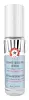
This anti-aging serum is formulated around Bakuchiol to soften the look of wrinkles.
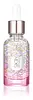
This anti-aging serum is formulated around Ubiquinone to soften the look of wrinkles.

What's inside
What's inside
 Key Ingredients
Benefits
Concerns
Ingredients Side-by-side
Water
Skin ConditioningPropanediol
Solvent

Dicaprylyl Carbonate
EmollientGlycerin
Humectant
C9-12 Alkane
SolventSoluble Collagen
Humectant
Ceramide NP
Skin Conditioning


Hydrolyzed Collagen
Emollient
Pentapeptide-34 Trifluoroacetate
Emollient
Hydrolyzed Sodium Hyaluronate
Skin Conditioning
Acetyl Hydroxyproline
EmollientSodium Hyaluronate
Humectant
Bakuchiol
Antimicrobial





Chrysanthemum Parthenium Extract
Skin ConditioningCamellia Sinensis Leaf Extract
Antimicrobial
Glycyrrhiza Glabra Root Extract
Bleaching
Chlorella Vulgaris Extract
Skin ConditioningTocopherol
Antioxidant
Coco-Caprylate/Caprate
Emollient
Glycine
Buffering
Histidine
Humectant
Hydrolyzed Corn Protein
Skin ConditioningAlanine
Masking
Sorbitan Olivate
Emulsifying

Isoleucine
Skin ConditioningLeucine
Skin ConditioningLysine
Skin ConditioningPhenylalanine
Masking
Proline
Skin Conditioning
Serine
Masking
Arginine
Masking
Cetearyl Olivate
Threonine
Tyrosine
MaskingValine
MaskingAspartic Acid
Masking
Butylene Glycol
Humectant
Carbomer
Emulsion StabilisingCetearyl Alcohol
Emollient



Glutamic Acid
Humectant
Glyceryl Acrylate/Acrylic Acid Copolymer
HumectantXanthan Gum
EmulsifyingPhenoxyethanol
Preservative
Potassium Sorbate
Preservative
Sodium Benzoate
Masking
Sodium Hydroxide
BufferingTetrasodium EDTA
ChelatingWater, Propanediol, Dicaprylyl Carbonate, Glycerin, C9-12 Alkane, Soluble Collagen, Ceramide NP, Hydrolyzed Collagen, Pentapeptide-34 Trifluoroacetate, Hydrolyzed Sodium Hyaluronate, Acetyl Hydroxyproline, Sodium Hyaluronate, Bakuchiol, Chrysanthemum Parthenium Extract, Camellia Sinensis Leaf Extract, Glycyrrhiza Glabra Root Extract, Chlorella Vulgaris Extract, Tocopherol, Coco-Caprylate/Caprate, Glycine, Histidine, Hydrolyzed Corn Protein, Alanine, Sorbitan Olivate, Isoleucine, Leucine, Lysine, Phenylalanine, Proline, Serine, Arginine, Cetearyl Olivate, Threonine, Tyrosine, Valine, Aspartic Acid, Butylene Glycol, Carbomer, Cetearyl Alcohol, Glutamic Acid, Glyceryl Acrylate/Acrylic Acid Copolymer, Xanthan Gum, Phenoxyethanol, Potassium Sorbate, Sodium Benzoate, Sodium Hydroxide, Tetrasodium EDTA
Water
Skin ConditioningButylene Glycol
Humectant
Glycerin
Humectant
Pentylene Glycol
Skin Conditioning
Carbomer
Emulsion StabilisingPolysorbate 80
Emulsifying
Phenoxyethanol
Preservative
Hydrolyzed Collagen
Emollient
Soluble Collagen
Humectant
Hydrolyzed Elastin
EmollientPotassium Hydroxide
BufferingSodium Hyaluronate
Humectant
Hydrolyzed Hyaluronic Acid
Humectant
Ubiquinone
Antioxidant
CI 77891
Cosmetic ColorantSodium PCA
Humectant
Serine
Masking
Glycine
Buffering
Glutamic Acid
Humectant
Alanine
Masking
Arginine
Masking
Lysine
Skin ConditioningThreonine
Proline
Skin Conditioning
Sorbitol
Humectant
Betaine
Humectant
Algin
MaskingAlcaligenes Polysaccharides
EmollientCI 77346
Cosmetic ColorantCI 77289
Cosmetic ColorantCI 77491
Cosmetic ColorantTocopherol
Antioxidant
1,2-Hexanediol
Skin Conditioning
Phytosteryl/Octyldodecyl Lauroyl Glutamate
Skin ConditioningHydrogenated Lecithin
Emulsifying
Polyglyceryl-10 Laurate
Skin Conditioning
Water, Butylene Glycol, Glycerin, Pentylene Glycol, Carbomer, Polysorbate 80, Phenoxyethanol, Hydrolyzed Collagen, Soluble Collagen, Hydrolyzed Elastin, Potassium Hydroxide, Sodium Hyaluronate, Hydrolyzed Hyaluronic Acid, Ubiquinone, CI 77891, Sodium PCA, Serine, Glycine, Glutamic Acid, Alanine, Arginine, Lysine, Threonine, Proline, Sorbitol, Betaine, Algin, Alcaligenes Polysaccharides, CI 77346, CI 77289, CI 77491, Tocopherol, 1,2-Hexanediol, Phytosteryl/Octyldodecyl Lauroyl Glutamate, Hydrogenated Lecithin, Polyglyceryl-10 Laurate
Ingredients Explained
These ingredients are found in both products.
Ingredients higher up in an ingredient list are typically present in a larger amount.
Alanine is an amino acid and is already found in the human body. Our skin uses alanine to build collagen, elastin, and keratin.
Arginine is a semi-essential amino acid. This just means our bodies can product a bit on its own, but sometimes needs a little boost from food sources.
It is a part of your skin's natural moisturizing factor (NMF), or the water-loving molecules in your outermost layer of skin (stratum corneum) that keeps everything hydrated and happy.
Here's an interesting thing about Arginine: your skin converts it into urea through the Krebs-Henseleit urea cycle. Urea is one of the most effective humectants your skin naturally produces.
A clinical study showed applying 2.5% arginine hydrochloride to atopic dermatitis skin showed significant urea levels in the stratum corneum and improved moisture in just four weeks.
Arginine is also a precursor to nitric oxide; nitric oxide improves microcirculation and supports wound healing and collagen synthesis.
One study found that an amino acid complex containing Arginine reduced skin irritation, improved hydration, and accelerated skin repair in clinical / in-vivo studies.
Arginine itself is an amino acid and not a fatty acid, oil, or ester. On its own, it's not a direct food source for Malassezia, or the yeast that causes fungal acne.
Learn more about ArginineButylene Glycol (or BG) is used within cosmetic products for a few different reasons:
Overall, Butylene Glycol is a safe and well-rounded ingredient that works well with other ingredients.
Though this ingredient works well with most skin types, some people with sensitive skin may experience a reaction such as allergic rashes, closed comedones, or itchiness.
Learn more about Butylene GlycolCarbomer is a synthetic thickening and gelling agent. It's basically the ingredient that gives a lot of serums, gels, creams, and sunscreens their smooth, non-sticky texture.
Although legally permitted at very high levels, carbomers are normally used at concentrations below 1%.
It also needs to be neutralized to actually thicken, and because it is a large molecule, it doesn't really penetrate the skin barrier.
Allergy-wise, the risk is very low. Clinical studies show carbomers have low potential for skin irritation/sensitization even at concentrations up to 100%.
A 2024 UK study patch-tested 1,302 patients and found true allergy to the parent group of carbomer to be rare with no confirmed relevant reactions.
Learn more about CarbomerGlutamic Acid is an amino acid that is found in all living organisms. Our bodies use this to help nerve cells in the brain communicate with other cells.
In cosmetics, glutamic acid is a famous humectant. It draws water from the air to your skin, keeping your skin hydrated (like hyaluronic acid).
An in-vitro study from 2024 found glutamic acid to play a role in inhibiting inflammation and thus a potential skin-soothing ingredient.
Other studies show it to be have potential wound healing, skin barrier repair, and hair growth properties.
Glutamic acid has poor solubility in water and other solvents.
Learn more about Glutamic AcidGlycerin (or glycerol) is a compound naturally found in your skin. It's a powerhouse humectant that pulls water into the stratum corneum.
Topically, glycerin does several things at once:
Your skin makes glycerin on its own (mostly from sebaceous oil breakdown) and shuttles it to your outermost layer of skin, or your epidermis, via aquaporin-3.
Aquaporin-3 is a transporter that is essential for normal skin hydration, elasticity, and repair. Interestingly, mice lacking in AQP3 have dry and less elastic skin that can be fully corrected with glycerin.
This ingredient is non-irritating, plays well with almost every ingredient, and works across all skin types. Typical use is anywhere between 3-10% but can go up to 79% in some leave-on products.
Just know very high concentrations (>40%) can feel tacky in low humidity.
Glycerin is the name for this ingredient in American English. British English uses Glycerol/Glycerine.
Learn more about GlycerinGlycine is the smallest amino acid and a key building block of collagen. It's part if your skin's Natural Moisturizing Factor (NMF), or the water-loving molecules in your outermost layer of skin (stratum corneum) that keeps everything hydrated and happy.
A study from 2022 found that an amino acid complex featuring taurine, arginine, and glycine significantly reduced skin irritation, improved redness, and accelerated the skin repair process.
Hydrolyzed Collagen is Collagen (usually sourced from fish, bovine, or porcine byproducts) that's been broken down into smaller peptides. This makes it water-soluble and easy to blend into formulations.
In a formula, it works mainly as a skin-conditioning and moisturizing agent.
The small peptides and amino acids (including Natural Moisturizing Factor components like Hydroxyproline, Serine, and Aspartic Acid) help the surface of the skin hold onto water, feel softer, and look temporarily plumper.
This ingredient also has mild film-forming and antioxidant properties with research showing the antioxidant effect is stronger the lower the molecular weight of the peptides.
It's worth being realistic here:
Topically applied Hydrolyzed Collagen conditions the upper layers of skin rather than rebuilding the structural collagen deep in your dermis (the wrinkle-and-firmness benefits people associate with Collagen mostly come from oral supplements in studies, not topicals).
However, recent lab and skin-model work on Hydrolyzed Fish Collagen has shown promising effects on cell viability and wound healing when used as an active.
Typical concentrations range from 0.2-2%, but the percentage can go much higher in rinse-off or hair products (sometimes even above 50%).
Clinical studies on this ingredient showed no irritation, sensitization, or phototoxicity.
If you are looking for vegan collagen, it usually goes by a different INCI name like hydrolyzed soy protein. Vegan collagen is derived from yeast, bacteria, or plant sources.
The results are varied.
A study from 2021 found hydrolyzed collagen increased elasticity and improved wrinkles in 1,125 participants between age 20 and 70. Another study found increased skin thickness in participants between the ages of 45 to 59.
However, It is difficult to prove that oral collagen will end up working on your skin. Many of the studies using hydrolyzed collagen also add several vitamins and nutrients into the test mixture as well.
Further studies are needed at this time.
Learn more about Hydrolyzed CollagenLysine is an essential amino acid (your body cannot make it on its own). It has skin conditioning properties and one of the key players in collagen synthesis.
When your body creates collagen, lysine is basically the glue that holds everything together. It helps collagen fibers lock into each other and stay strong, with vitamin C being its trusty sidekick. Without enough lysine, this glue gets flimsy and less firm, resulting in less bouncy skin.
In skincare, lysine is mostly there to help keep your skin moisturized. It carries water through your skin's layers so everything stays plump.
So will putting lysine on your face create bouncier skin?
It's hard to say; most of the exciting collagen research on lysine comes from oral supplements or lab studies on mice. Further research is needed to truly understand what role topical lysine plays in skincare and your skin.
However, there's no harm in adding lysine to your routine as a supportive and hydrating ingredient.
Learn more about LysinePhenoxyethanol is one of the most widely used preservatives in skincare (and for good reason!).
It has a large spectrum of antimicrobial activity and especially effective bacteria, yeast, and mold while only having a weak effect on your skin's natural microbiome.
On a cellular level, it disrupts the cell membranes of microbes by poking holes that make the cell leak. This shuts down the chemical reactions the microbe needs to make energy so it can no longer survive.
Another perk of this ingredient is that it stays functional across a wide pH range (3-10).
You'll often see it paired with boosters like Ethylhexylglycerin; one study showed that a 1:9 ratio of Ethylhexylglycerin to Phenoxyethanol damages bacterial membranes as effectively as doubling the Phenoxyethanol concentration on its own.
Typical use concentrations range from 0.3-1% depending on the formula, and this ingredient is capped at 1% int the EU.
Safety-wise, the fear mongering does not hold up to the evidence. The EU's Scientific Committee on Consumer Safety and FDA consider it safe as a preservative at up to 1%, including for children of all ages.
Adverse systemic effects only showed up in animal studies at exposures roughly 200x higher than what people get from cosmetics. And despite its very widespread use, this ingredient is a rare sensitizer and allergic reactions are uncommon.
Learn more about PhenoxyethanolProline is a non-essential amino acid, meaning your body can make it on its own. In skincare, it is a skin conditioning ingredient that keeps skin soft and hydrated.
It makes up about 23% of the collagen molecule (collagen is the protein responsible for keeping your skin firm) and is involved in your skin's natural hyaluronic acid production. When applied topically, proline can penetrate the skin fairly well due to its small molecular size.
Reviews of this ingredient have found it to be neither a dermal irritant nor a sensitizer.
Fun fact: Proline can be found in protein-rich foods like meat, fish, eggs, and dairy.
Learn more about ProlineSerine is a non-essential amino acid (your body makes it on its own!). It is a major player in your skin's natural moisturizing factor (NMF), or the water-loving molecules in your outermost layer of skin (stratum corneum) that keeps everything hydrated and happy.
Serine is one of your NMF's most abundant components that works as a skin-identical humectant. Its hydroxyl group grabs onto water molecules to boost hydration without any heaviness or occlusion.
Research on a hydrogel with serine confirmed this serine got delivered to your stratum corneum and demonstrated enhanced skin moisturization.
Interestingly serine also helps your skin produce filaggrin, a protein that keeps your skin barrier strong and used to create collagen.
Learn more about SerineSodium Hyaluronate is the salt form of hyaluronic acid. It is a long sugar chain that is naturally found in your skin, joints, and connective tissue that maintains hydration and elasticity.
In skincare, it works as a humectant. It pulls water from the environment and deeper layers of skin and binds it to the surface.
Interestingly, the size of the molecule affects its behavior:
Some clinical evidence links low molecular weight versions to improved wrinkle depth, elasticity, anti-inflammatory effects, and barrier repair.
Many serums use a blend of both weights so you can get surface hydration plus longer-lasting and deeper effects.
You'll typically see concentrations between 0.1-2% for this ingredient.
Learn more about Sodium HyaluronateSoluble collagen is a large, water-loving protein typically extracted from cattle hides or marine sources like fish skin.
In cosmetics, it works purely as a humectant and film-former.
Despite the marketing that surrounds the word "collagen", its molecule is far too large to penetrate skin so it can't rebuild the collagen in your dermis.
Instead, it sits on the surface and binds water to help reduce transepidermal water loss and leave skin feeling soft, plump, and temporarily tightened.
Suppliers commonly recommend using it around 3-6% though industry data shows concentrations are often much lower (down to a fraction of a percent).
This ingredient has been found safe to use in cosmetics with no reported irritation, sensitization, or phototoxicity.
Learn more about Soluble CollagenThreonine is an amino-acid. It helps hydrate the skin and has antioxidant benefits.
Our skin uses threonine for creating collagen and elastin. Humans are not able to create threonine and must get it through eating foods such as fish, lentils, poultry, sesame seeds, and more.
Tocopherol is a fat-soluble antioxidant known as Vitamin E.
You'll find this ingredient in the vast majority of skincare (for good reason). It works to neutralize free radicals, or unstable molecules generated by UV exposure, pollution, and other environmental stressors, before they can cause oxidative damage to your skin cells.
Topically applied tocopherol has been shown to protect against UV damage by ramping up the skin's own natural defense enzymes.
It also acts as a skin conditioning agent; some studies show that regular topical use can improve the skin's water-binding capacity over 2-4 weeks.
This ingredient is especially loved for being a team player. When combined with Vitamin C, the photoprotective effect of both ingredients roughly doubles and the combo also helps reduce UV-induced DNA damage.
This ingredient has some brightening potential but it's more of a prevention ingredient than spot-fader. Cell studies show it can slow down melanin production but it's worth noting that it's not the most powerful brightener out there.
In formulations, it also serves as a stabilizer that helps protect other oxidation-prone ingredients from degrading.
Concentrations usually range from 0.1-1% in most leave-on products.
Learn more about TocopherolWater. It's the most common cosmetic ingredient of all. You'll usually see it at the top of ingredient lists, meaning that it makes up the largest part of the product.
So why is it so popular? Water most often acts as a solvent - this means that it helps dissolve other ingredients into the formulation.
You'll also recognize water as that liquid we all need to stay alive. If you see this, drink a glass of water. Remember to stay hydrated!
Learn more about Water

